Bonn Germany North Rhine-Westphalia
415
Cruises availables
At departure or passage at this port
CroisiEurope (11 Cruises)
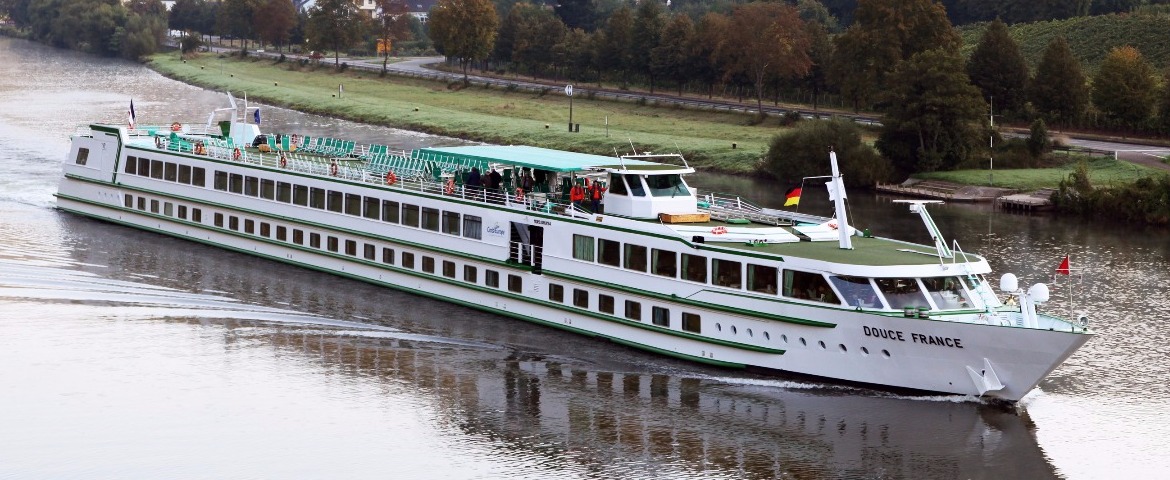

MS Symphonie
9 Cruises
Emerald Waterways (21 Cruises)
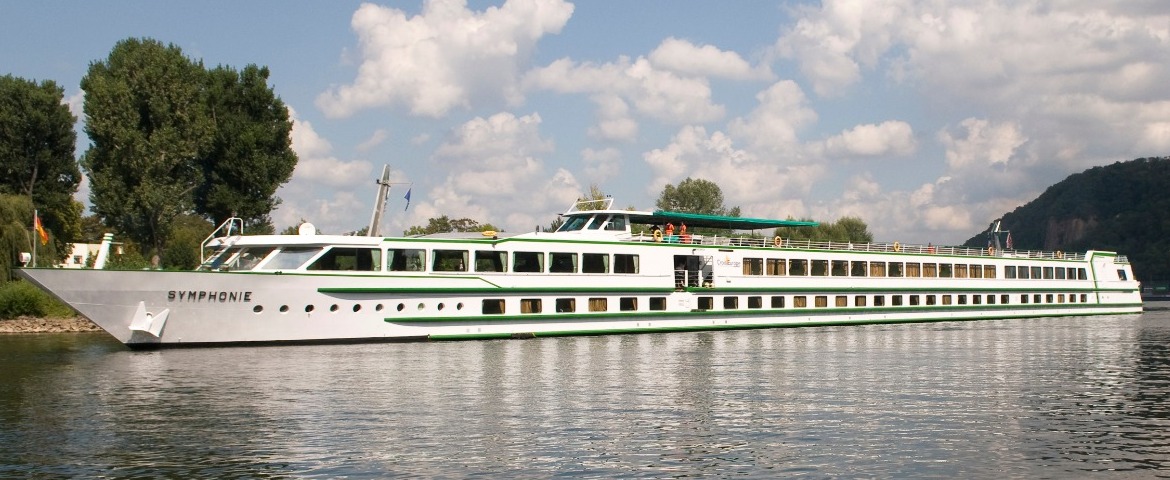
Emerald Destiny
9 Cruises
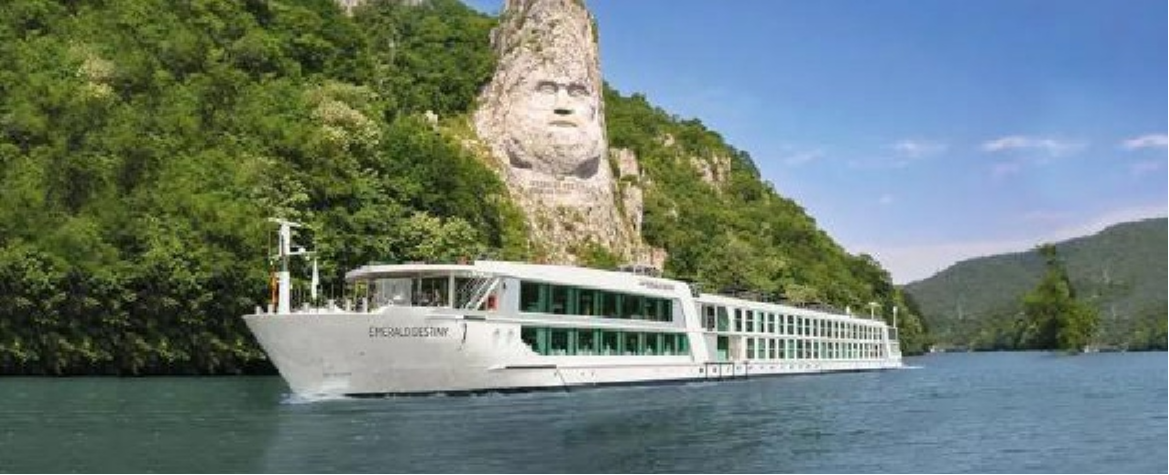

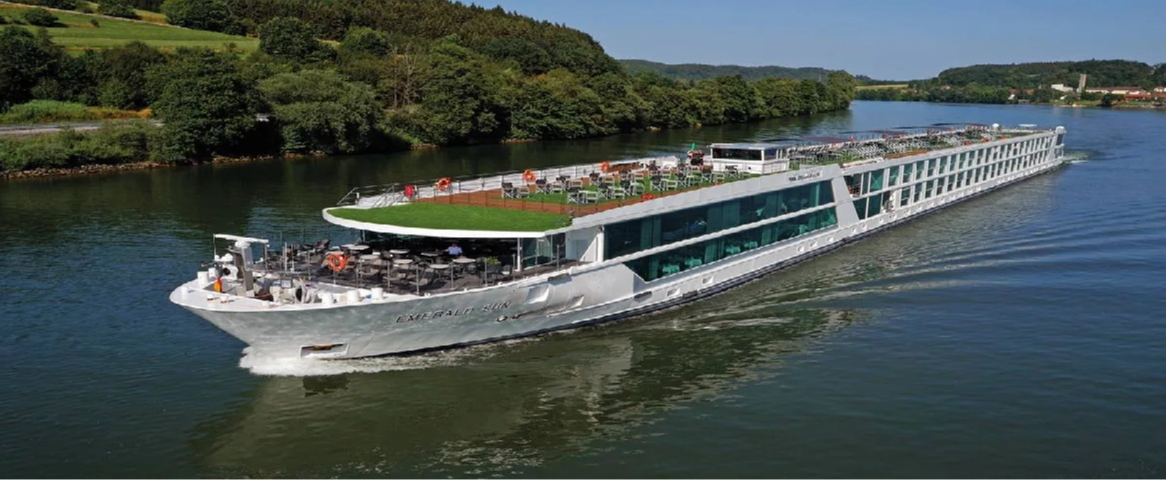
Emerald Sky
10 Cruises
Riviera Travel (18 Cruises)
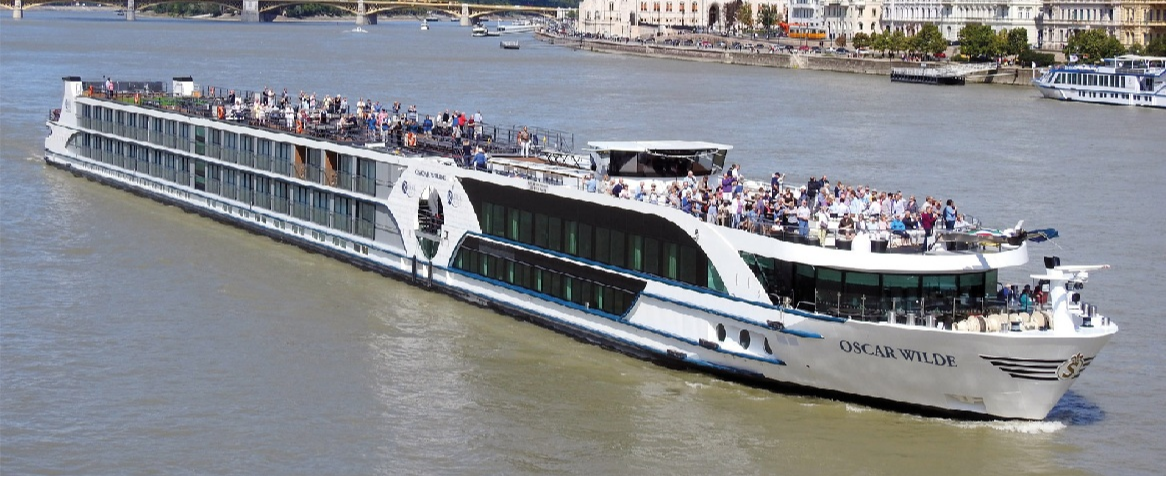
MS Oscar Wilde
18 Cruises

Scenic Cruises (365 Cruises)
Scenic Amber
59 Cruises


| 22 February | 14 days | One-way from Budapest to Amsterdam |
450-628-6241
Call us
|
| 22 February | 15 days | One-way from Budapest to Amsterdam |
450-628-6241
Call us
|
Scenic Crystal
34 Cruises

Scenic Gem
11 Cruises

Scenic Jade
87 Cruises

Scenic Jasper
50 Cruises

| 28 May | 18 days | One-way from Zagreb to Amsterdam |
450-628-6241
Call us
|
| 28 May | 19 days | One-way from Zagreb to Amsterdam |
450-628-6241
Call us
|
Scenic Jewel
64 Cruises

| 12 March | 15 days | One-way from Amsterdam to Budapest |
450-628-6241
Call us
|
| 12 March | 14 days | One-way from Amsterdam to Budapest |
450-628-6241
Call us
|
Scenic Opal
37 Cruises


Scenic Ruby
21 Cruises


Bonn, Germany | Cruise Port Guide
Frequently Asked Questions
At the Brassertufer, directly on the Rhine bank at the edge of the centre. No shuttle is needed: the old town begins five minutes from the gangway.
Yes, almost everything is walkable. The quay borders the centre, the market square and the basilica are minutes away, and Beethoven's birthplace is about fifteen minutes on foot. It makes for a dense yet restful port call.
Yes. Ludwig van Beethoven was born in 1770 in a townhouse on the Bonngasse, now a museum. It holds the world's largest collection devoted to the composer: instruments, annotated scores, portraits and the ear trumpets that tell the story of his deafness. Allow about an hour.
A former bastion turned shaded terrace, just above the quay. Two Napoleonic-era cannon still point at the river, and the benches under the trees invite you to watch the barges go by. It is the first viewpoint of the day, and the best place to return to in the late afternoon.
The rococo old town hall with its gilded staircase on the first square, where the market still sets up on weekdays among fruit, flowers and cheese. On the second stands the Basilica of St Martin, whose five Romanesque towers have watched over the city for nearly nine hundred years; its cloister is among the best preserved in the Rhineland.
The great lawn in front of the former electors' palace, a long pale-yellow baroque facade that now houses the university. It becomes an open-air lounge for students at the first hint of sun. Crossing it brings you to the Poppelsdorfer Allee, a chestnut-lined avenue running to Poppelsdorf Palace and its botanical garden.
Two hours: the Alter Zoll, the market square and the basilica. Three hours: add the composer's birthplace on the Bonngasse. Four hours or more: cross the Hofgarten to the Poppelsdorfer Allee, or follow the Rhine promenade south.
Yes, of West Germany, from 1949 until reunification. The city wears that past lightly, as it wears its two thousand years of history: today it is above all a university town, lively and on a human scale.
Reasonably. Distances are short, the Hofgarten and the Rhine promenade give room to run, and the Poppelsdorf botanical garden appeals to younger visitors. The Beethoven museum, by contrast, speaks more to adults and curious teenagers.
The euro and German. As a university town and former federal capital, Bonn speaks English widely. Cards work in most shops, but keep a few euros in cash for the market square and small cafés.


