Brandenburg an der Havel Germany Brandenburg
8
Cruises availables
At departure or passage at this port
CroisiEurope (8 Cruises)
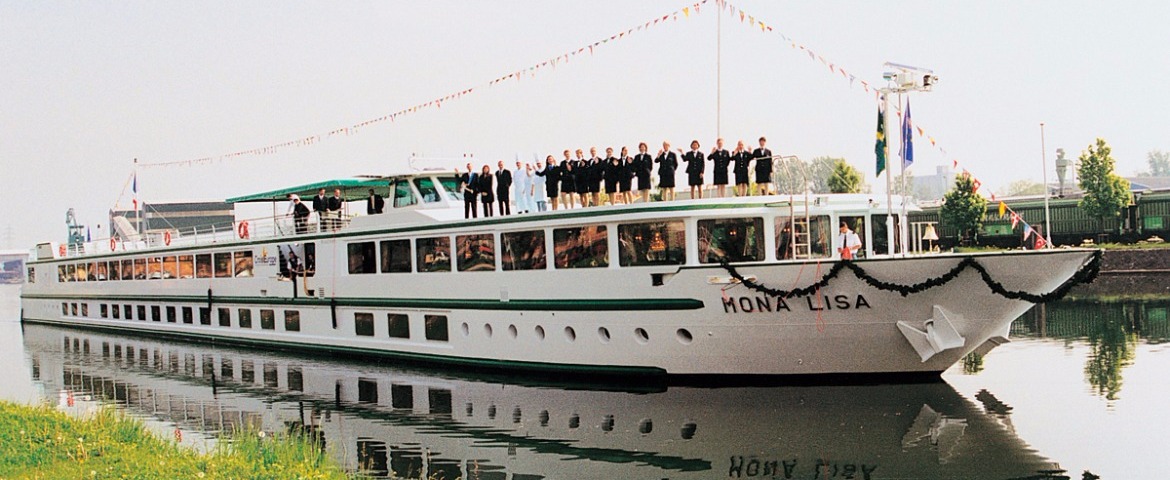

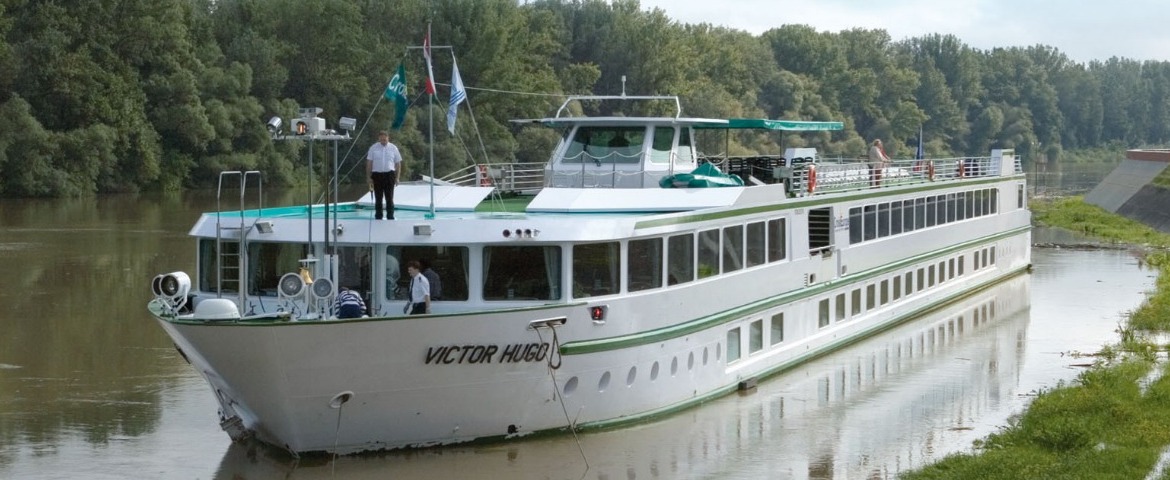
MS Victor Hugo
6 Cruises

Brandenburg an der Havel, Germany | Cruise Port Guide
Frequently Asked Questions
River cruise vessels thread through the town canal and tie up in the heart of the city, which was built on the islands of the Havel. The historic centre and the cathedral island are both reachable on foot.
Yes. The town grew on the Havel islands a good century before its neighbour rose out of the marshes. It gave its name to an entire region and to Germany's most famous gate, while remaining surprisingly low-key despite more than eight and a half centuries of documented history.
Because it grew in three long-rival parts: the cathedral island, the Altstadt on one bank, the Neustadt on the other. Each had its own churches, walls and pride; they merged only in 1715, after centuries of parish rivalry in the most literal sense.
Founded in 1165 and nicknamed the mother of the churches of the March, it holds two high points: the crypt, the oldest part of the building, and the baroque Wagner organ installed in 1725, one of the most valuable period instruments in Germany. When an organist rehearses, the sound fills the brick nave and the only thing to do is sit down and listen.
A stone knight standing before the town hall. Merchant cities in northern Germany raised these figures as symbols of their municipal liberties. It is one of the landmarks not to miss between the gate towers and the streets of the centre.
Yes, an unusually complete set. Several massive gate towers still punctuate the line of the old walls, including the Steintorturm on the Neustadt side and the Plauer Torturm on the Altstadt side. Between these landmarks the streets mix restored facades, quiet passageways and squares where terraces appear in fine weather.
An hour and a half: the Dominsel and its cathedral lanes. Two and a half hours: add the Altstadt, the Roland and a gate tower. Half a day: finish with the Havel banks and a coffee by the water.
Walk along the town canal, quite simply. The Havel widens into a chain of lakes around the city and the banks invite strolling. The region has some of the largest inland waters in Germany, which explains the pleasure boats everywhere. Local excursions often include a lake tour.
No, they are two different things. The Brandenburg Gate is in Berlin and takes its name from the road that led toward this city. Brandenburg an der Havel is a town in its own right, about sixty kilometres west of the capital.
The euro and German. Outside the tourist sites, English is less widespread than in Berlin, and a number of shops prefer cash. A few euros in your pocket will make the day easier.


