Braubach Germany Rhineland-Palatinate

16 Cruises availables At departure or passage at this port
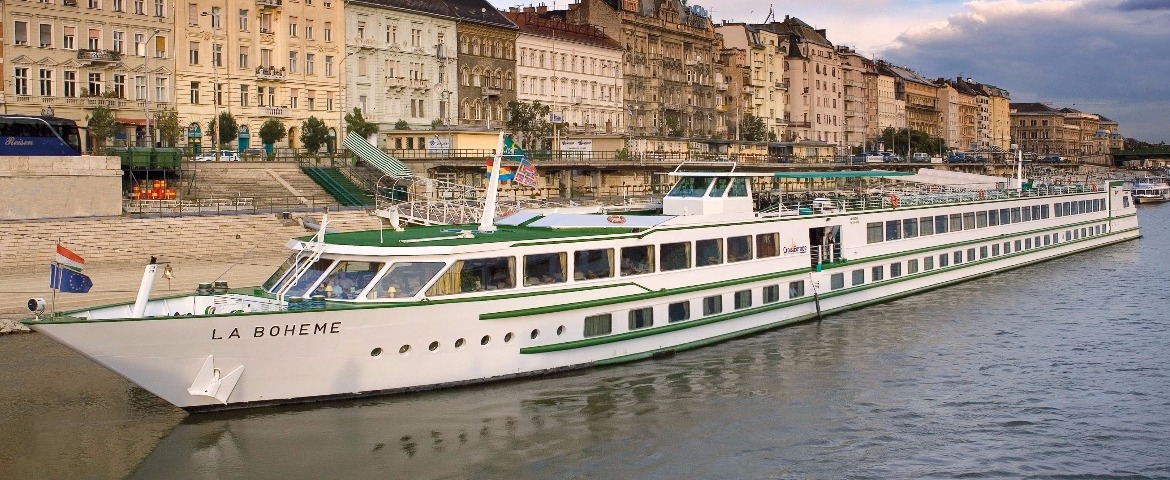
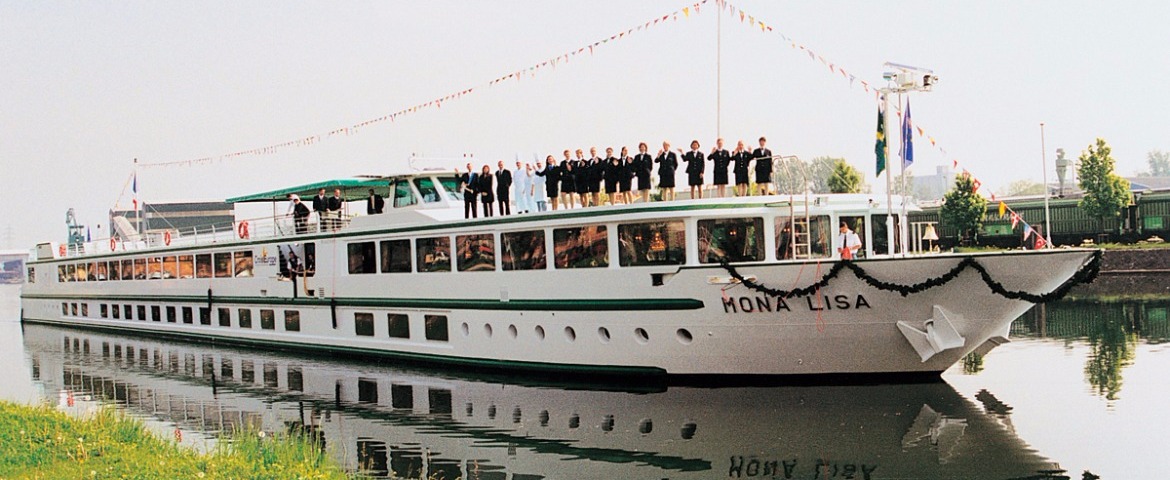
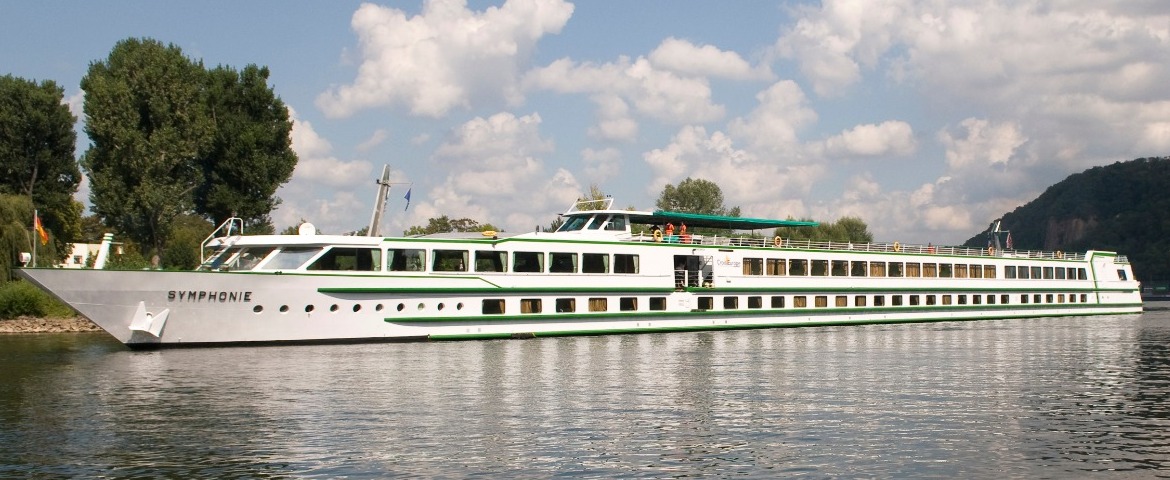
CroisiEurope (16 Cruises)

From the ship's deck, you can spot it from far off: an intact fortress, perched on its rocky cone above the vineyards, with towers, curtain walls and slate roofs exactly where you'd expect them. Marksburg Castle is the only hilltop castle on the romantic Rhine never to have been destroyed in seven hundred years of existence. Not wars, not the French troops of Louis XIV, not even time itself have gotten the better of it. Braubach, the wine village nestled at its foot, serves as the gateway to this survivor.

From the Dock to the First Streets

River cruise ships tie up along the bank, about 350 metres from the old centre; a few underpasses beneath the road and the railway lead directly to the first streets. Braubach is worth exploring at an unhurried pace: leaning half-timbered houses, corner turrets on the town walls, small flower-filled squares and winegrowers' cellars combine into a remarkably dense medieval setting for such a small town.

The Climb to Marksburg

The castle is reached on foot via a steep trail, allow twenty to thirty minutes depending on your pace, or by shuttle depending on the excursions offered on board. The climb is part of the experience: with every switchback, the valley widens, the town's rooftops shrink, and the fortress's silhouette grows larger above the trees. Those who'd rather save their legs for the visit should check whether a coach option is available, often offered by cruise lines.

A Middle Ages With No Reenactment

The visit is only available as a guided group tour, and that's a good thing: the guides bring every room to life. A kitchen with soot-blackened fireplaces, the knights' hall, a painted chapel, the lord's bedchamber, a medicinal herb garden suspended over the drop, and a row of cannons aimed at the river: almost everything here is original, without the romantic 19th-century additions that transformed so many other fortresses in the valley. The armour collection, tracing the evolution of military equipment through the ages, fascinates young and old alike. Allow about an hour for the guided tour, and wear closed-toe shoes: the cobblestones and stone staircases are anything but modern.

The View and the Way Back

From the castle's terraces, the view plunges down over the bend in the river, the strings of barges and the vine-covered hillsides. It's one of the most complete viewpoints on the Middle Rhine, this stretch listed as a UNESCO World Heritage Site. The walk back down to the village feels lighter, with a possible stop at a cellar to taste the local wine: Braubach has grown grapes since the Middle Ages, and a few producers keep the tradition alive on these slopes, where the riesling pairs beautifully with a plate of regional cured meats.

Braubach Port Call at a Glance

StepEstimated timeNote
Dock to old town5-minute walkunderpasses beneath the road and railway
Climb to the castle20 to 30 minutessteep trail; shuttle sometimes offered
Guided tour of Marksburgabout 1 hourgroup visits only

What Stays With You After the Port Call

Many Rhine castles tell their past in the conditional tense: "here once stood," "it's believed that." Marksburg speaks in the present tense. Here, you've touched walls that never gave way, sensed the imagined smoke of a five-century-old kitchen, counted the cannons lined up facing the river. Heading back down to the gangway, almost every passenger turns for one last look, as if to check that it's still there. It is. It has been for seven hundred years.

Frequently Asked Questions

Along the bank, about 350 metres from the old centre. A few underpasses beneath the road and railway lead straight to the first lanes: allow five minutes on foot.
The only hilltop castle on the Romantic Rhine never to have been destroyed in seven hundred years. Not wars, not Louis XIV's French troops, not time itself: nothing got the better of it. You spot it from far off on deck, planted on its rocky cone above the vineyards.
On foot by a steep path, twenty to thirty minutes of effort depending on your pace, or by shuttle on the excursions offered on board. The climb is part of the experience: at every switchback the valley opens out. Anyone wanting to save their legs for the tour should check the coach option.
No, entry is by guided group only, and that is a good thing: the guides bring each room to life. Allow about an hour for the tour.
A kitchen with soot-blackened chimneys, the knights' hall, a painted chapel, the lord's bedchamber, a medicinal herb garden hanging over the drop, and a battery of cannon aimed at the river. Nearly everything is original, without the 19th-century romantic additions that transformed so many other fortresses in the valley. The armour collection fascinates young and old alike.
Closed shoes, without question: the cobbles and stone stairs are anything but modern, and the approach path is steep. This visit does not suit travellers with limited mobility, even arriving by shuttle.
Yes, it deserves more than a quick pass-through. Leaning half-timbered houses, wall turrets, small flowered squares and winegrowers' cellars make up a remarkably dense medieval setting for so small a town.
From the castle terraces the eye drops to the curve of the river, the convoys of barges and the vine-planted slopes. It is one of the most complete viewpoints on the Middle Rhine, the stretch inscribed on the UNESCO World Heritage list.
Yes. Braubach has grown vines since the Middle Ages and a few producers keep the tradition going on these slopes. The walk back down to town goes easier with a stop at a cellar: the local Riesling goes very well with a plate of regional charcuterie.
The euro and German. In a town this size cash is the safer bet: several cellars and small shops do not take cards. Marksburg guides generally offer tours in English.