Germersheim Germany Rhineland-Palatinate

390 Cruises availables At departure or passage at this port

Emerald Waterways (186 Cruises)

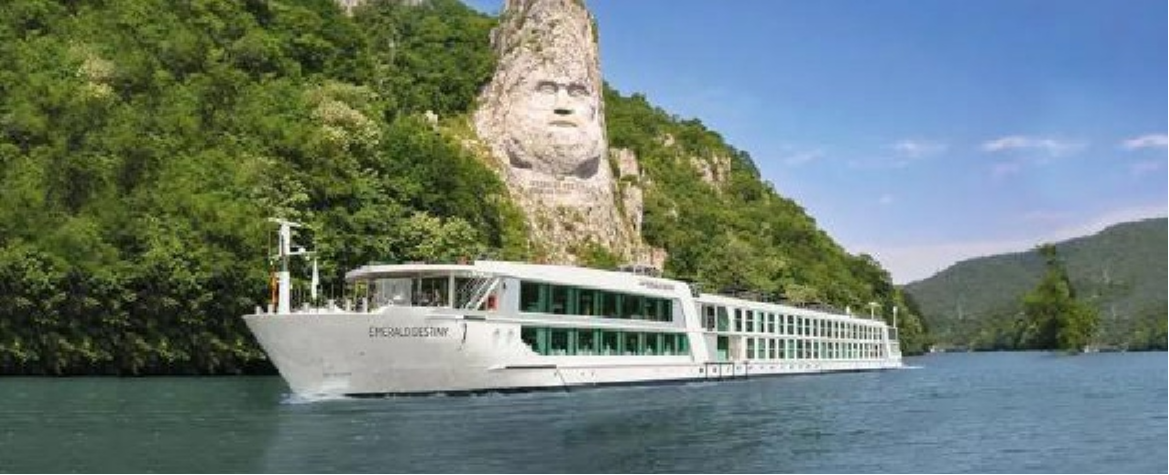
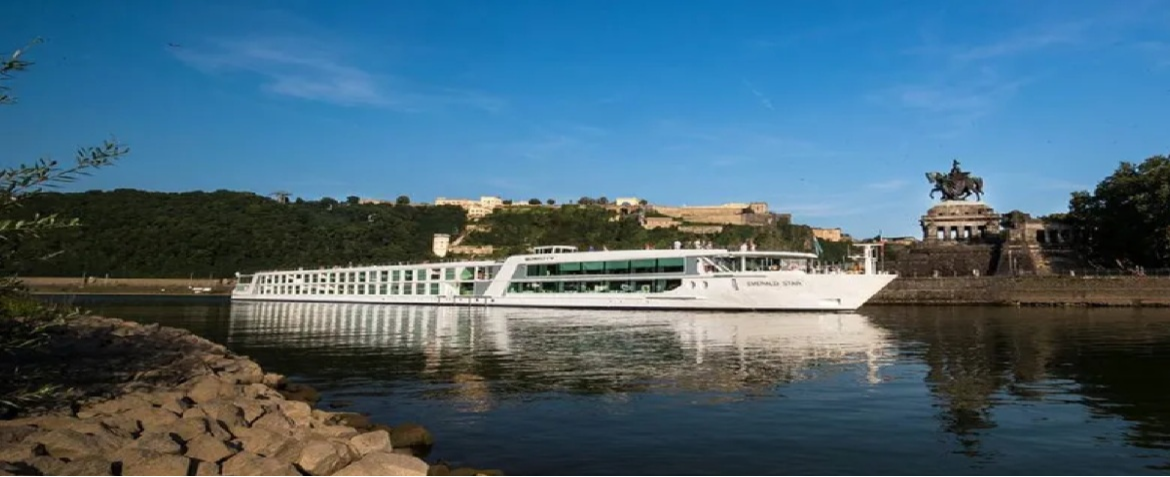
Emerald Destiny.

Emerald Destiny

227 Passengers
Visit the ship's page
1 September 9 days One-way from Basel to Amsterdam
450-628-6241 Call us
1 September 8 days One-way from Basel to Amsterdam
450-628-6241 Call us
1 September 10 days One-way from Basel to Amsterdam
450-628-6241 Call us
6 September 13 days One-way from Amsterdam to Basel
450-628-6241 Call us
6 September 10 days One-way from Amsterdam to Basel
450-628-6241 Call us
8 September 8 days One-way from Amsterdam to Basel
450-628-6241 Call us
8 September 11 days One-way from Amsterdam to Basel
450-628-6241 Call us
12 September 13 days One-way from Basel to London-Greenwich
450-628-6241 Call us
12 September 11 days One-way from Basel to Amsterdam
450-628-6241 Call us
12 September 10 days One-way from Basel to Amsterdam
450-628-6241 Call us
12 September 14 days One-way from Basel to London-Greenwich
450-628-6241 Call us
15 September 11 days One-way from Basel to London-Greenwich
450-628-6241 Call us
15 September 10 days One-way from Basel to London-Greenwich
450-628-6241 Call us
15 September 8 days One-way from Basel to Amsterdam
450-628-6241 Call us
15 September 7 days One-way from Basel to Amsterdam
450-628-6241 Call us
20 September 13 days One-way from Amsterdam to Basel
450-628-6241 Call us
20 September 10 days One-way from Amsterdam to Basel
450-628-6241 Call us
22 September 11 days One-way from Amsterdam to Basel
450-628-6241 Call us
22 September 8 days One-way from Amsterdam to Basel
450-628-6241 Call us
29 September 10 days One-way from Basel to Amsterdam
450-628-6241 Call us
29 September 8 days One-way from Basel to Amsterdam
450-628-6241 Call us
29 September 9 days One-way from Basel to Amsterdam
450-628-6241 Call us
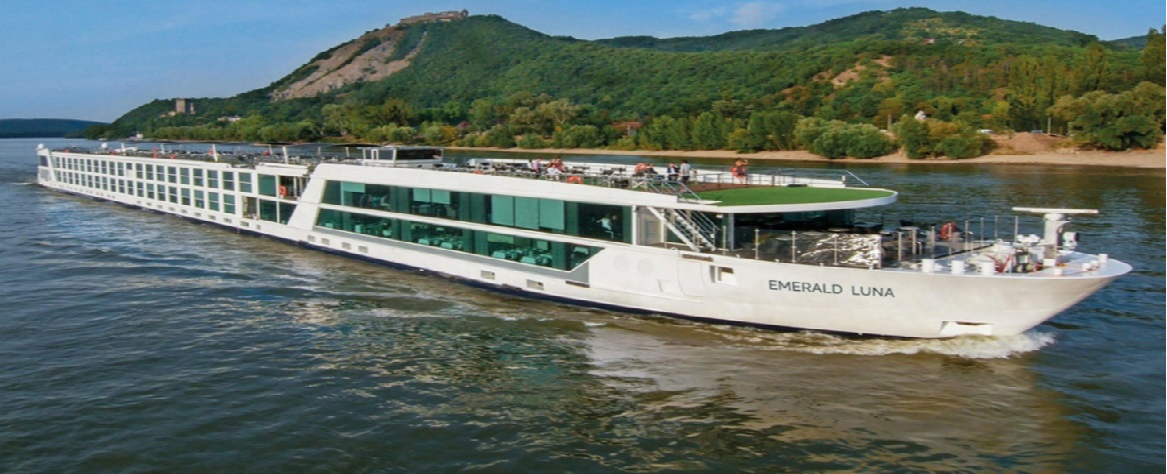
Emerald Luna .

Emerald Luna

227 Passengers
Visit the ship's page
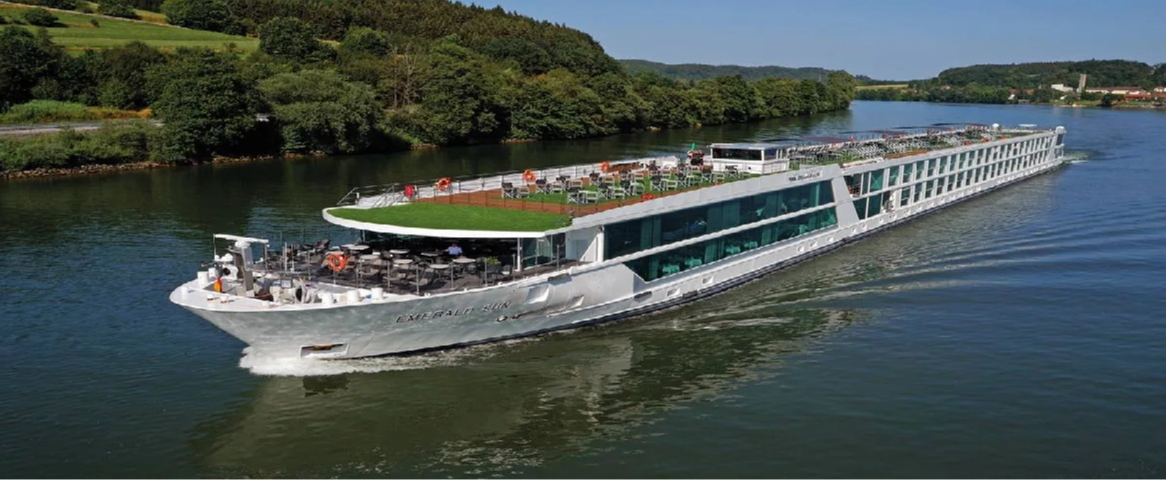
Emerald Sun

Emerald Sun

227 Passengers
Visit the ship's page

Uniworld Boutique River Cruise (204 Cruises)

S.S Audrey.

S.S Audrey

154 Passengers
Visit the ship's page
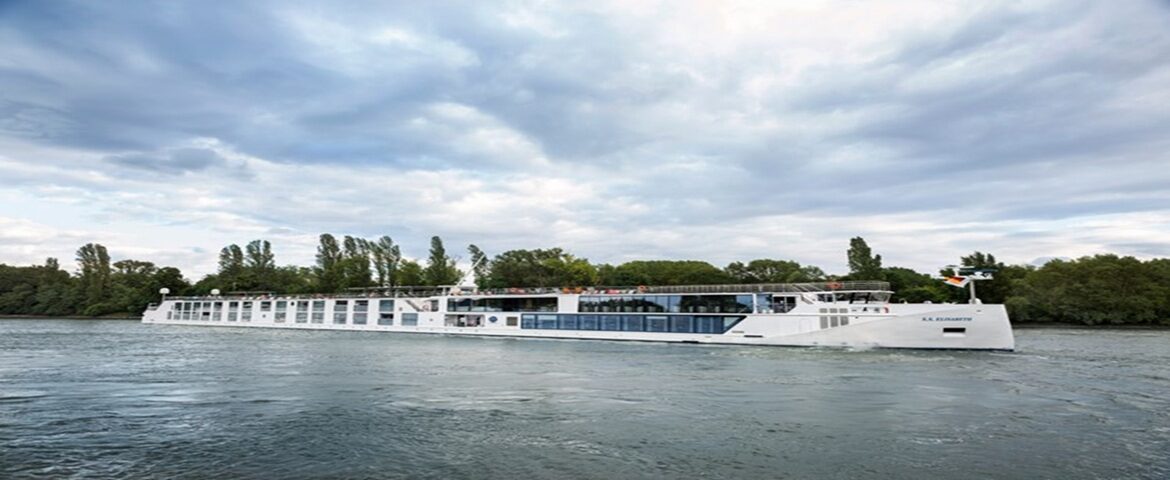
S.S Elisabeth.

S.S Elisabeth

110 Passengers
Visit the ship's page
s.s. antoinette.

S.S. Antoinette

211 Passengers
Visit the ship's page
S.S. Victoria.

S.S. Victoria

151 Passengers
Visit the ship's page
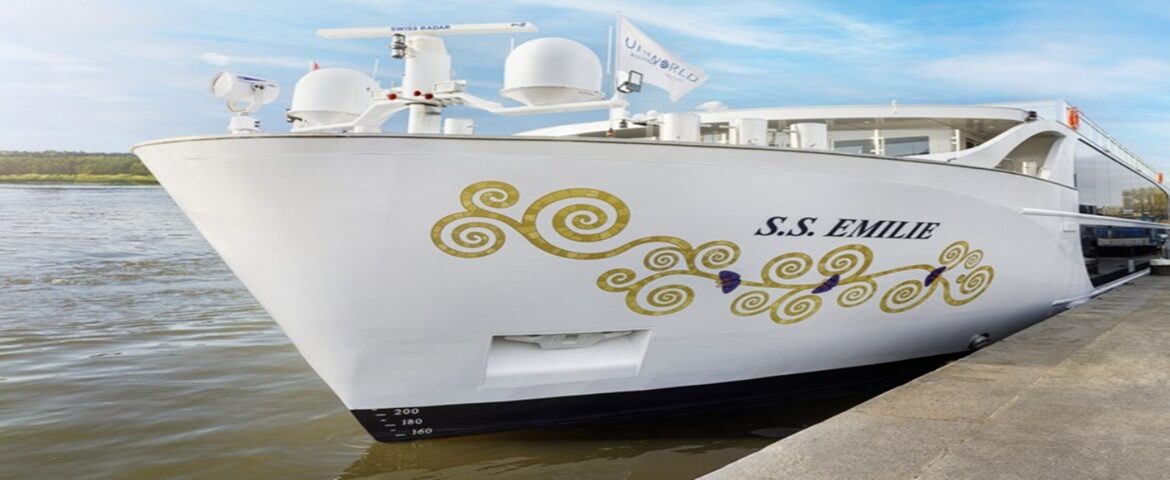
SS Antoinette

Uniworld SS Antoinette

Visit the ship's page

River boats moor at the immediate edge of the centre, where the Rhine traces a long calm curve between Speyer and Karlsruhe. From the upper deck, nothing yet announces the particularity of the place. You must walk a few streets to understand that this small Palatinate town built itself inside one of 19th-century Germany's vastest fortresses.

A Fortress Born of Rivalry

Between 1834 and 1861, King Louis I of Bavaria had erected here an immense fortified complex meant to watch the frontier facing France. Massive walls, monumental gates, casemates and moats: the entire city then organized around its military function. The great battles so feared never reached its ramparts, and that is perhaps why the astonishing state of several structures still standing explains itself today.

A walk through the centre suffices to spot them: stretches of fortifications, bastions converted to green spaces, former garrison buildings now housing classrooms, dwellings or workshops. The university has installed part of its activities here, giving the old stones a second, surprisingly lively student life.

The Fortress Museum

To grasp the scope of Louis I's project, the museum devoted to the fortress, arranged in the Fronfeste, a former military prison, presents scale models, plans and everyday objects of soldiers. You understand how thousands of soldiers and their families lived within these walls, and why a Rhine town found itself at the heart of European rivalries. The visit takes roughly an hour, a format well-suited to port-call time.

Strolling Between Monumental Gates

Beyond the military works, the centre offers quiet streets lined with old façades, a few churches and squares where terraces settle in at the first rays. The weekly market, when held, adds its colours and conversations. You move everywhere on foot, never venturing more than 15 minutes from the dock, allowing exploration without watching the clock.

Along the Rhine

The return can follow the riverside promenade, a long green ribbon where locals walk, run and cycle watching barge convoys pass. The river imposes its slow rhythm, and the flat banks invite you further than planned. Those who enjoy cycling will find bike rentals and tracks threading through floodplain landscapes, in a setting of willows and oxbow channels frequented by herons.

Palatinate Flavours

The Palatinate wine region begins at the city's gates, and local tables take full advantage: generous dishes, dry Rieslings, cakes served late afternoon. A regional plate in a courtyard, in the shade of a chestnut tree, sums up the spirit of the place, simple and unstaged. The sweet-toothed will find bakeries on the main street, where fruit tarts change with harvests: cherries in early summer, plums at the end.

Practical Landmarks

  • Ships moor along the river, minutes on foot from the centre.
  • The fortress museum takes roughly an hour to visit.
  • The old town is explored entirely on foot; bike rentals available for the riverbanks.
  • Speyer and its Romanesque cathedral lie some 15 kilometres upstream, reachable on certain organized excursions.

Boarding the gangway again, you carry a singular impression: that of a city that inherited armour too large for itself and chose to make it a garden. The sentries disappeared long ago; what remains are the stones, the students, the cyclists and the river, pursuing its course northward as if nothing had changed.

Frequently Asked Questions

Right at the edge of the centre, along the Rhine, where the river makes a long slow bend between Speyer and Karlsruhe. A few minutes' walk separates the gangway from the first streets of the Palatinate town.
Yes, and it is the only sensible way to do it. You never end up more than about fifteen minutes from the quay. Bicycles can also be rented for the riverside paths and the floodplain trails.
The town was built inside one of the largest fortresses in 19th-century Germany. Between 1834 and 1861 King Ludwig I of Bavaria raised massive walls, monumental gates, casemates and ditches here to watch the frontier facing France.
Spot the fortifications while crossing the centre, visit the fortress museum in the Fronfeste, a former military prison, then return along the riverside promenade. The museum takes about an hour, which fits a port call well.
No, several works are in surprisingly good condition. The great battles everyone feared never reached these ramparts. Bastions have become parkland, and former garrison buildings now hold classrooms and flats: the university occupies part of them.
The euro. Restaurants and the museum generally take cards, but the bakeries on the main street and the weekly market often run on cash. A few notes in your pocket save a trip back to an ATM.
Reasonably well for a town this size, helped by the university presence. German remains the everyday language in shops, though. French is sometimes understood: the border is not far.
Palatinate cooking, generous in portion, paired with the dry Rieslings of the wine region that begins at the town gates. Bakeries on the main street change their fruit tarts with the harvest: cherries in early summer, plums at the end.
Yes, about fifteen kilometres upstream, and some organised excursions go there for the Romanesque cathedral. It is not a trip to improvise on your own when the call is short: book the outing offered on board instead.
Yes, provided children are told in advance that this is stonework rather than a fairy-tale castle. The flat riverbanks, the cycle paths across the floodplain and the herons in the old river arms make for a pleasant family outing.