Kitzingen Germany Bavaria

21 Cruises availables At departure or passage at this port

Uniworld Boutique River Cruise (21 Cruises)

Port of Kitzingen, Germany | Cruise Port Guide

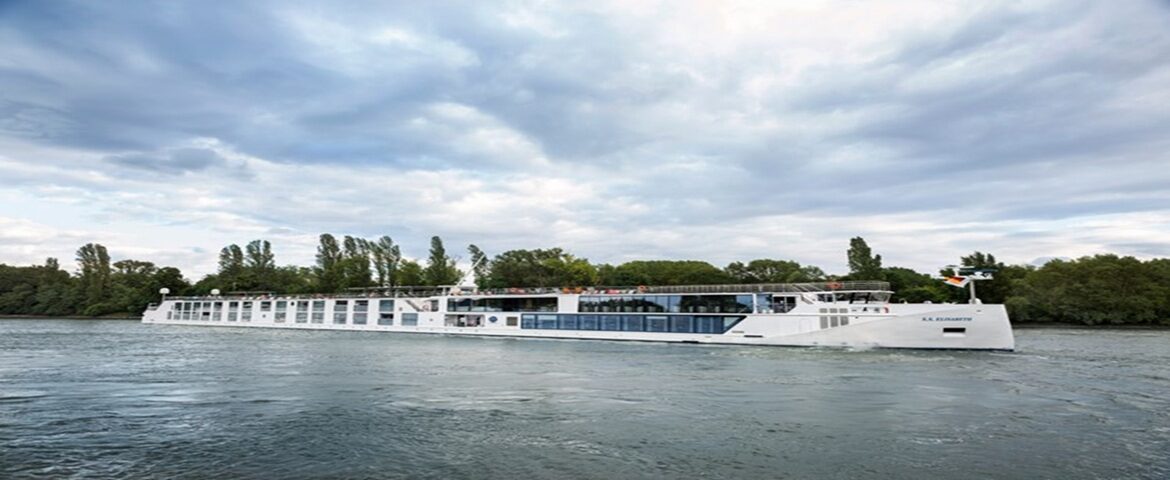
The vineyards reach right up to the gates of the town. Around Kitzingen, the slopes of the Main are covered with impeccable rows of vines that make this district the leading wine producer in all of Bavaria. The town itself, set on the riverbank about twenty kilometres from Würzburg, cultivates a very Franconian blend of winemaking seriousness and whimsy: its emblematic tower leans, its museum celebrates carnival, and its patios serve Silvaner in bottles as round as flasks. River ships moor along the Main, a short walk from the old town, so the port call starts without a moment wasted.

The Leaning Tower and Its Legend

You can't miss the Falterturm: this watchtower, built between 1469 and 1496 on the old outer wall, has a strangely twisted pointed roof that leans like a hat put on askew. Local legend has it that the masons, short of water during a drought year, mixed their mortar with wine, hence the lasting whimsy of the roof frame. In a nod to this cheerful reputation, the building houses the German Carnival Museum, devoted to Fastnacht traditions: grimacing masks, embroidered costumes and archives of a festival that has livened up Franconia for centuries.

Along the Main and Through the Lanes

From the landing, the riverside promenade offers a peaceful introduction: anglers, swans, and the old bridge spanning the river from one bank to the other. You then reach the market square, where the Renaissance town hall shows off its ornate gables and clock. The surrounding lanes mix half-timbered houses, flower-filled courtyards and artisan storefronts; you can wander without a map, following your discoveries, with an ear tuned to the church bells marking the hours. A stop at a pastry shop is a must to taste a plum or walnut cake, specialties of the area's family bakeries.

Bavaria's Wine Capital

Kitzingen breathes wine. The dry whites of Franconia, led by Silvaner and Müller-Thurgau, ripen on the limestone slopes surrounding the town and are recognizable at first glance by the Bocksbeutel, the region's signature round-bellied bottle. Wine cellars and wine bars in the centre offer guided tastings, often accompanied by warm pretzels or a charcuterie board. In spring and fall, wine festivals take over the squares, and it's not unusual for a port call to coincide with one: the communal tables then fill with glasses and conversation, and visitors are quickly welcomed in, even without a word of German.

Ideas for a Few Hours Ashore

  • One hour: riverside promenade, old bridge and market square.
  • Two hours: add the Falterturm and the German Carnival Museum.
  • Half a day: round it out with a Silvaner tasting or a walk through the vineyards.

Würzburg Within Reach

Several itineraries pair the Kitzingen stop with a visit to Würzburg, its baroque Residence and Marienberg Fortress, a short distance upstream. Those who stay in town lose nothing in the bargain: they gain time to wander in a human-scale town, where tourism has not yet imposed its ways and where shopkeepers take the time to tell anyone who will listen about their wine or cheese.

One Last Glass Before Departure

When the ship casts off, the leaning silhouette of the Falterturm lingers in view for a moment, as if bidding farewell with a nod of its crooked roof. Kitzingen leaves a distinct taste in your memory: that of a crisp Silvaner enjoyed facing the Main, in a town that understood long ago that you can take wine seriously without ever taking yourself too seriously.

Frequently Asked Questions

On the Main riverside, a short walk from the old centre. Kitzingen sits on the riverbank about twenty kilometres from Würzburg, so the call starts without any wasted time.
Yes, entirely. The riverside promenade, the old bridge, the market square and the Falterturm are all within easy reach. Only a walk in the vineyards takes you out of town.
The Falterturm, a watchtower built between 1469 and 1496 on the former outer wall, whose pointed roof is oddly twisted. Local legend says the masons, short of water during a drought year, mixed their mortar with wine.
The German Carnival Museum, devoted to Fastnacht traditions: grimacing masks, embroidered costumes and the archives of a festival that has animated Franconia for centuries. It is a knowing nod to the town's cheerful reputation.
The riverside promenade and the old bridge, the market square with its Renaissance town hall, then the Falterturm and its museum. A Silvaner tasting or a walk in the vineyards completes the half day.
The dry whites of Franconia, Silvaner and Müller-Thurgau above all, ripened on the limestone slopes around the town. The district is the largest wine producer in all of Bavaria. You will recognise them by the Bocksbeutel, the region's rounded bottle.
The euro. Cellars, wine bars and family pastry shops in the centre often prefer cash. Bring notes, particularly if you plan to take home a Bocksbeutel.
In spring and autumn they take over the squares, and it is not unusual for a call to coincide with one. Shared tables fill with glasses and conversation, and visitors are adopted quickly, even without a word of German.
Several itineraries pair the Kitzingen stop with a visit to Würzburg, its baroque Residence and the Marienberg fortress, a short way upstream. Check your cruise programme: it is not automatic.
A plum or walnut cake from a family pastry shop in the centre, and a cold Silvaner drunk facing the Main. Guided cellar tastings often come with warm pretzels or a plate of cured meats.