Ludwigshafen am Rhein Germany Rhineland-Palatinate
1093
Cruises availables
At departure or passage at this port
AmaWaterways (746 Cruises)
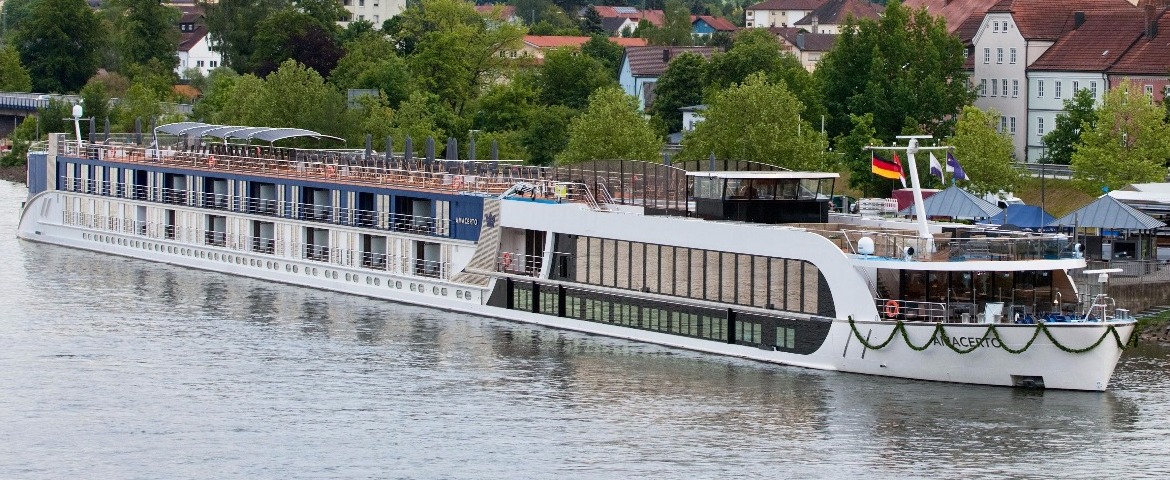
AmaCerto
62 Cruises

| 13 March | 12 days | One-way from Amsterdam to Basel |
450-628-6241
Call us
|
| 24 March | 8 days | One-way from Basel to Nuremberg |
450-628-6241
Call us
|
| 14 April | 11 days | One-way from Basel to Amsterdam |
450-628-6241
Call us
|
| 24 April | 12 days | One-way from Amsterdam to Basel |
450-628-6241
Call us
|
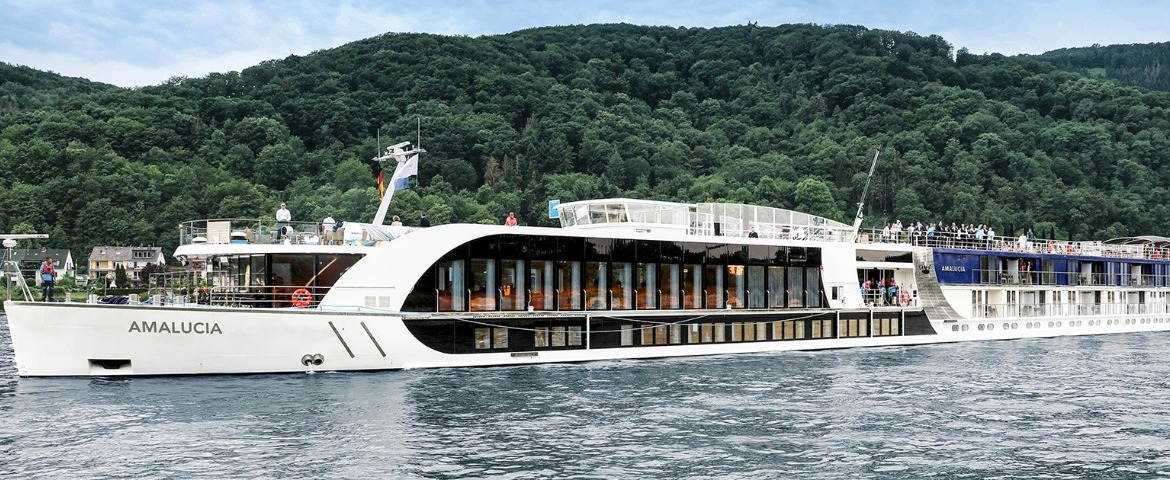
AmaLucia
98 Cruises
| 20 January | 8 days | One-way from Amsterdam to Basel |
450-628-6241
Call us
|
| 27 January | 8 days | One-way from Basel to Amsterdam |
450-628-6241
Call us
|
| 10 February | 8 days | One-way from Amsterdam to Basel |
450-628-6241
Call us
|
| 17 February | 8 days | One-way from Basel to Amsterdam |
450-628-6241
Call us
|
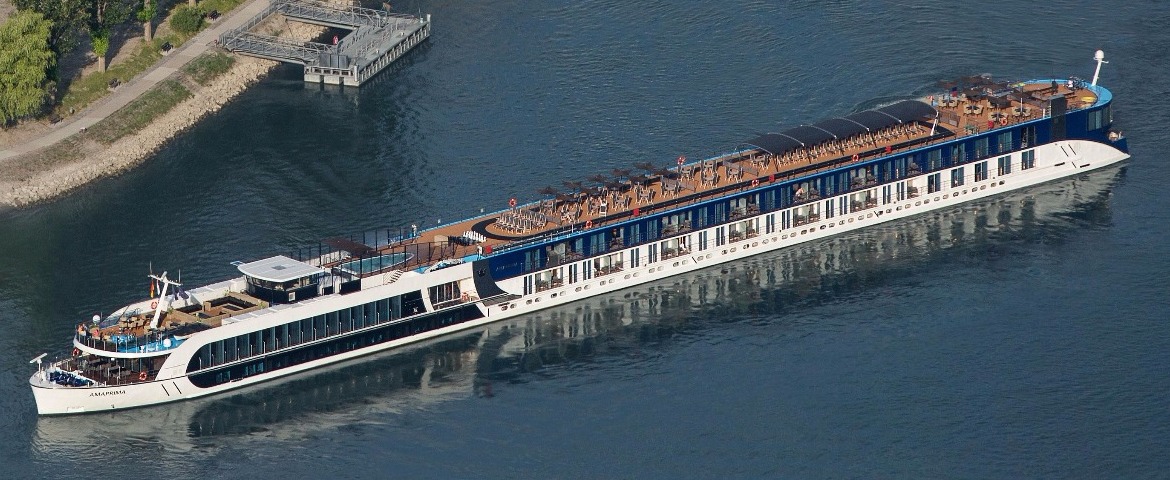
AmaPrima
68 Cruises
| 12 May | 8 days | One-way from Luxembourg City to Basel |
450-628-6241
Call us
|
| 19 May | 11 days | One-way from Basel to Amsterdam |
450-628-6241
Call us
|
| 12 June | 12 days | One-way from Amsterdam to Basel |
450-628-6241
Call us
|
| 23 June | 8 days | One-way from Basel to Nuremberg |
450-628-6241
Call us
|
| 16 February | 8 days | One-way from Basel to Amsterdam |
450-628-6241
Call us
|
| 23 February | 8 days | One-way from Amsterdam to Basel |
450-628-6241
Call us
|
| 10 June | 12 days | One-way from Amsterdam to Basel |
450-628-6241
Call us
|
| 21 June | 8 days | One-way from Basel to Nuremberg |
450-628-6241
Call us
|
| 12 July | 11 days | One-way from Basel to Amsterdam |
450-628-6241
Call us
|
| 22 July | 12 days | One-way from Amsterdam to Basel |
450-628-6241
Call us
|
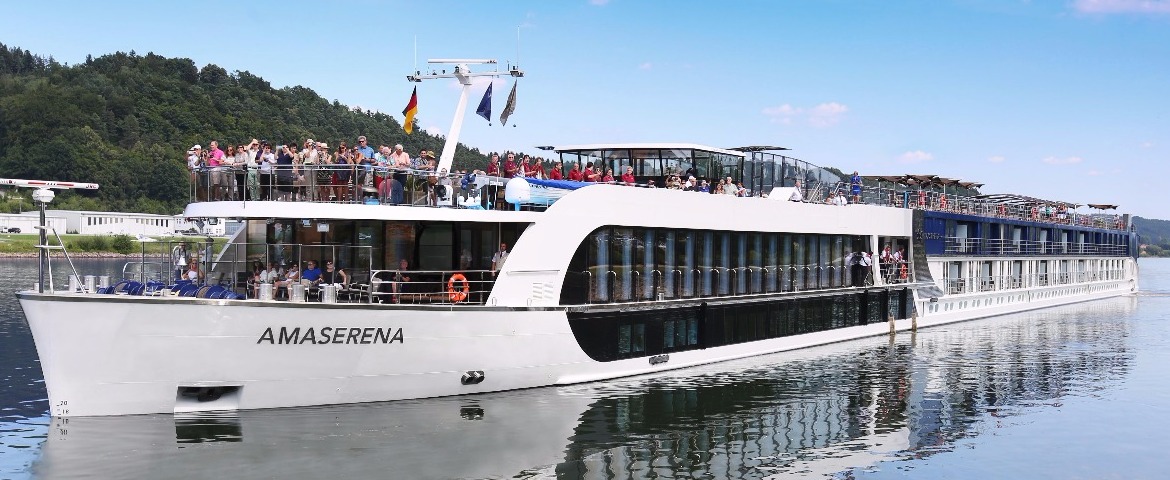
AmaSerena
109 Cruises
| 27 October | 8 days | One-way from Basel to Amsterdam |
450-628-6241
Call us
|
| 27 October | 7 days | One-way from Basel to Amsterdam |
450-628-6241
Call us
|
AmaSiena
87 Cruises
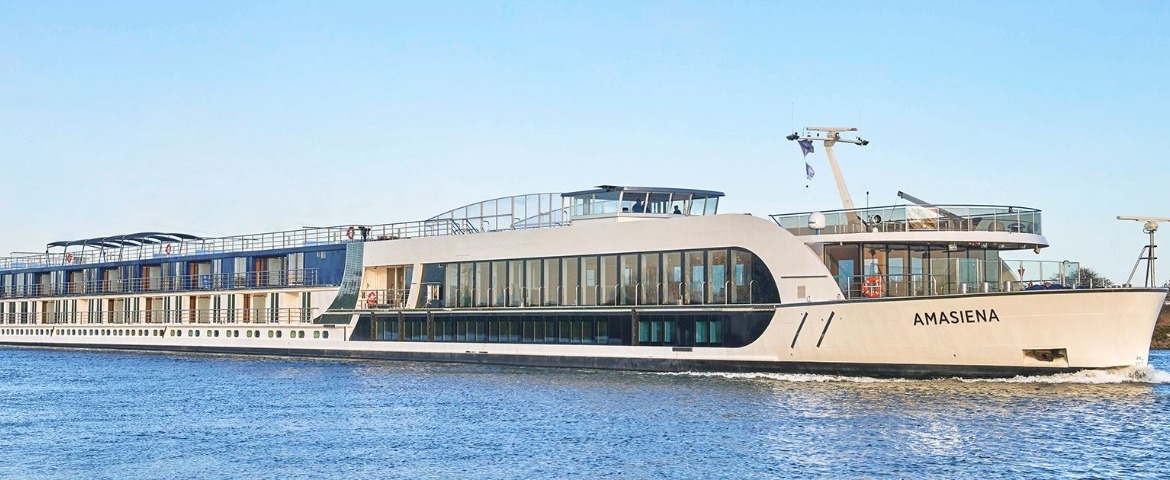
| 7 February | 8 days | One-way from Amsterdam to Basel |
450-628-6241
Call us
|
| 21 February | 8 days | One-way from Amsterdam to Basel |
450-628-6241
Call us
|
| 7 March | 8 days | One-way from Amsterdam to Basel |
450-628-6241
Call us
|
| 14 March | 8 days | One-way from Basel to Amsterdam |
450-628-6241
Call us
|
| 21 October | 8 days | One-way from Amsterdam to Basel |
450-628-6241
Call us
|
| 28 October | 8 days | One-way from Basel to Amsterdam |
450-628-6241
Call us
|
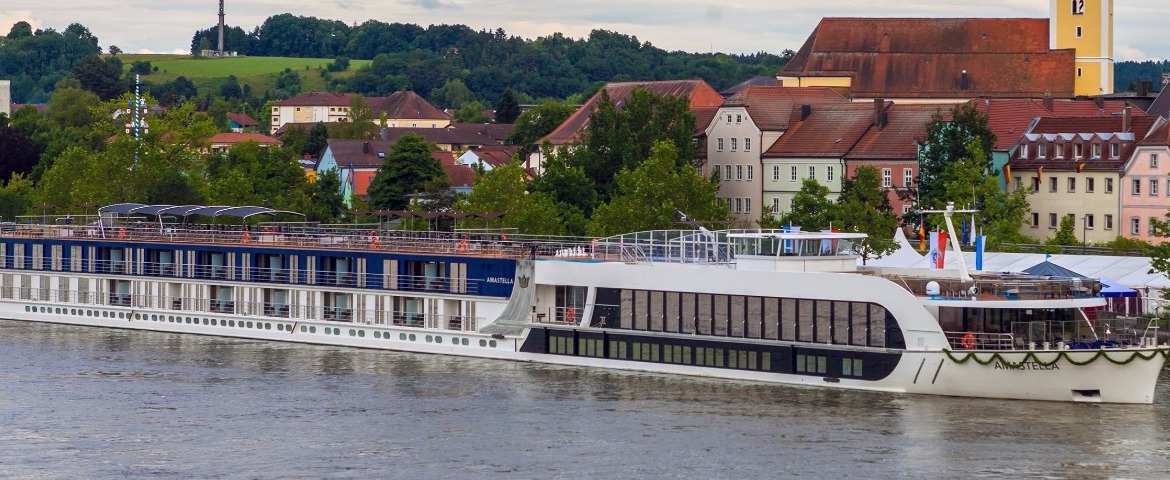
AmaStella
107 Cruises
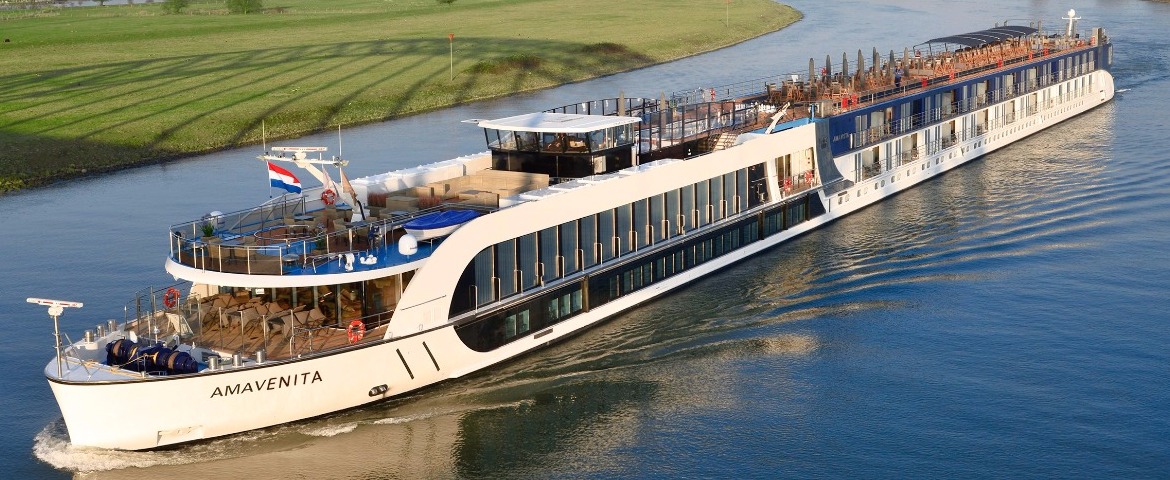
AmaVenita
125 Cruises
| 27 October | 8 days | One-way from Amsterdam to Basel |
450-628-6241
Call us
|
| 27 October | 7 days | One-way from Amsterdam to Basel |
450-628-6241
Call us
|
| 21 January | 8 days | One-way from Amsterdam to Basel |
450-628-6241
Call us
|
| 28 January | 15 days | One-way from Basel to Amsterdam |
450-628-6241
Call us
|
| 4 March | 8 days | One-way from Amsterdam to Basel |
450-628-6241
Call us
|
| 23 March | 8 days | One-way from Basel to Amsterdam |
450-628-6241
Call us
|
| 29 February | 7 days | One-way from Amsterdam to Basel |
450-628-6241
Call us
|
| 29 February | 8 days | One-way from Amsterdam to Basel |
450-628-6241
Call us
|
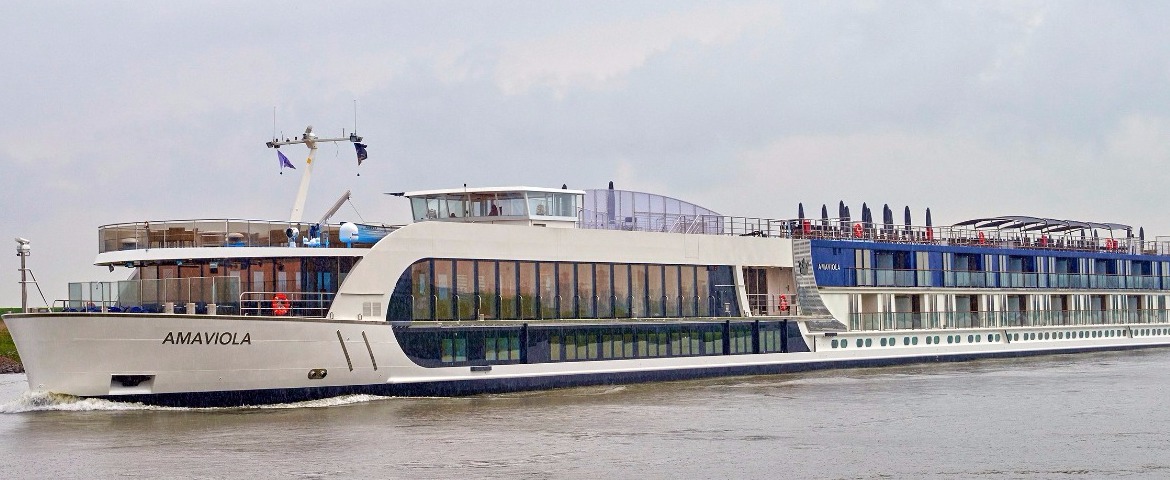
AmaViola
90 Cruises
Avalon Waterways (347 Cruises)
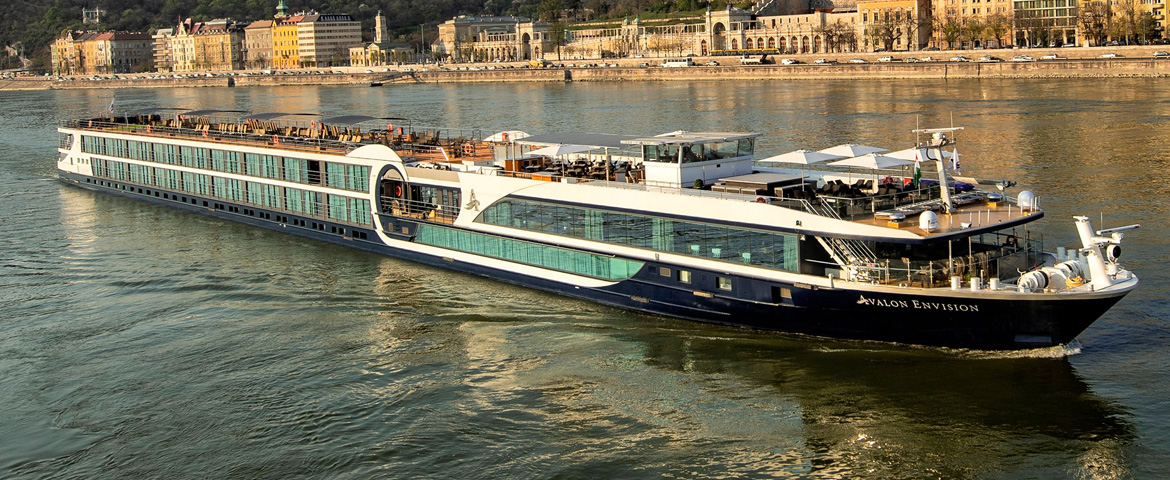
Avalon Envision
74 Cruises

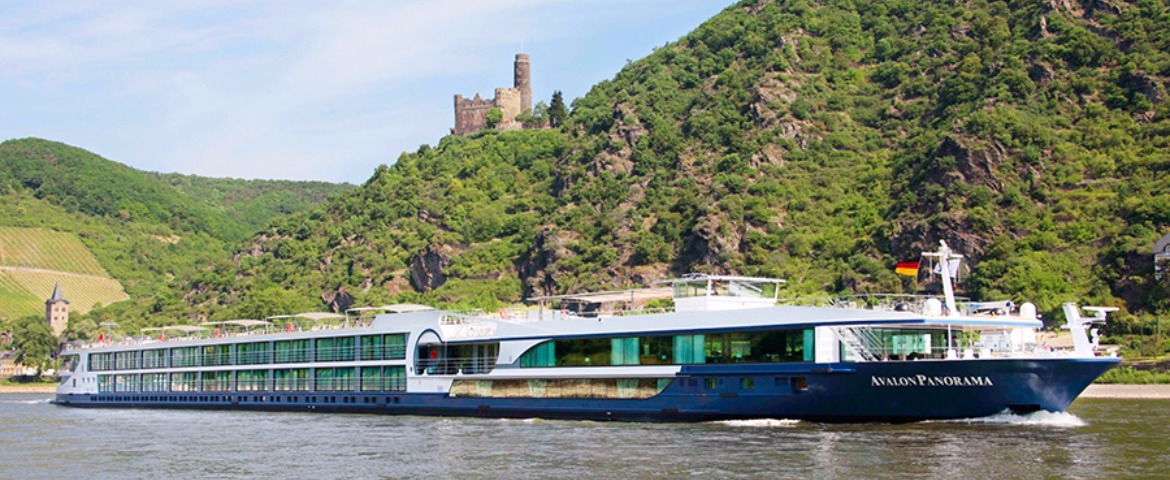
Avalon PanoramaSM
37 Cruises
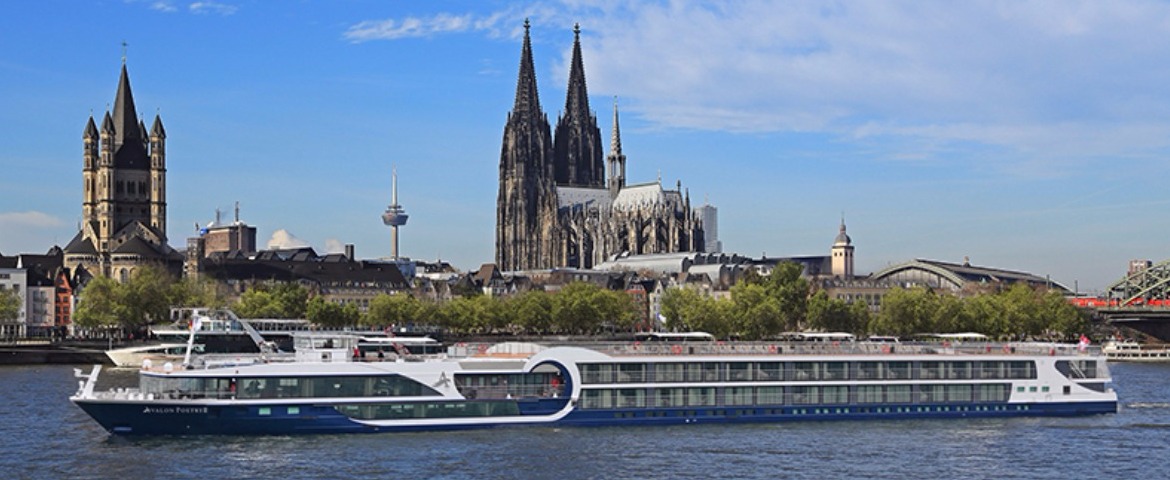
Avalon Poetry II®
28 Cruises
| 23 March | 15 days | One-way from Arles to Amsterdam |
450-628-6241
Call us
|
| 23 March | 14 days | One-way from Arles to Amsterdam |
450-628-6241
Call us
|
| 18 May | 15 days | One-way from Arles to Amsterdam |
450-628-6241
Call us
|
| 18 May | 14 days | One-way from Arles to Amsterdam |
450-628-6241
Call us
|
| 7 September | 15 days | One-way from Arles to Amsterdam |
450-628-6241
Call us
|
| 7 September | 14 days | One-way from Arles to Amsterdam |
450-628-6241
Call us
|
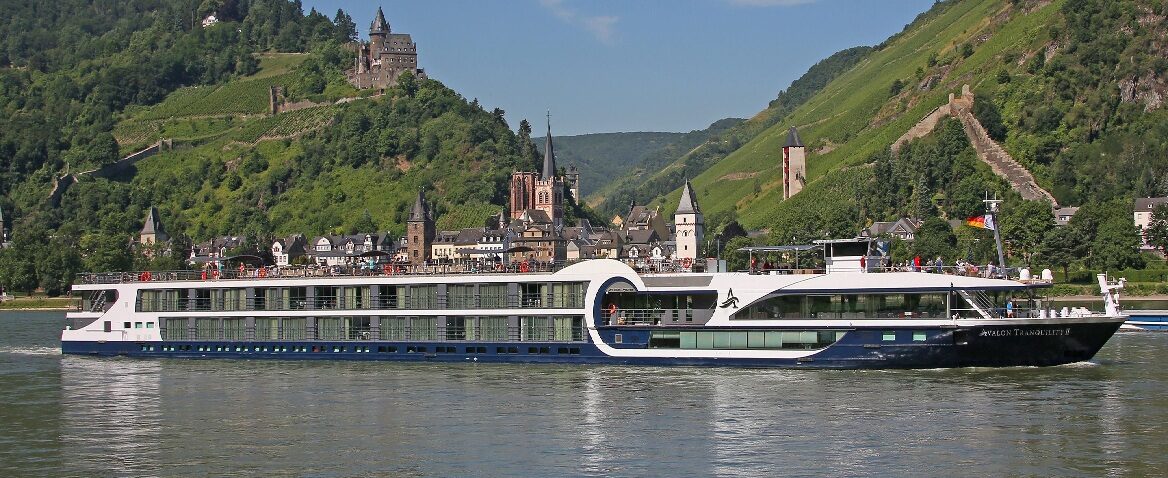
Avalon Tranquility II®
20 Cruises
Avalon View
149 Cruises
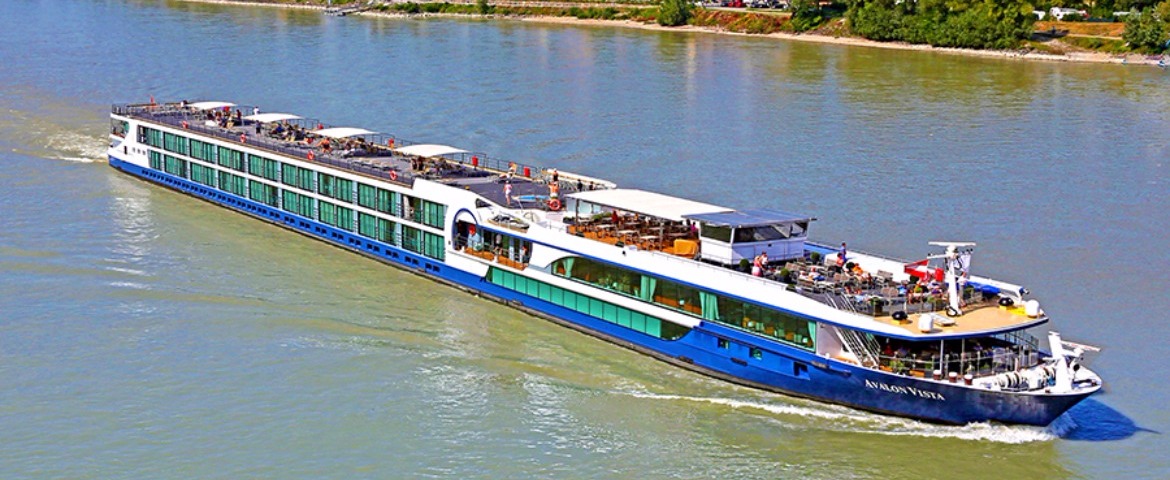
Avalon VistaSM
38 Cruises
Port of Ludwigshafen | Cruise Port Guide
Frequently Asked Questions
Along the Rhine quays, usually near the Rhein-Galerie, a shopping centre whose esplanade opens straight onto the water. The city centre is a few minutes walk from the gangway.
Everything is walkable. The museum, the shopping streets and the parks are minutes from the quays on flat ground. A shuttle or taxi is only needed for excursions to Heidelberg or Speyer.
The Wilhelm-Hack-Museum, a walk in the Ebertpark or the Stadtpark, then a tram ride across the Rhine to Mannheim. The city is quickly covered, and the opposite bank rounds out the day.
No, not in the usual sense. Ludwigshafen was rebuilt after the war and lives in the shadow of the BASF chemical complex. You come for modern art, parks and access to Heidelberg, not for an old-world setting. It is an honest port of call that makes no pretence.
By tram, a few minutes across the Rhine bridges. The two cities face each other, and many passengers cross for the baroque palace, the grid streets and the Art Nouveau water tower.
Yes, and it is the most popular excursion. Heidelberg is about thirty kilometres away, and lines offer a half day at the castle and in the old university quarters. Speyer and its Romanesque cathedral are about thirty minutes south by road.
The city main art museum, recognisable by the huge ceramic mosaic designed by Joan Miró covering its façade. Inside are twentieth-century art and Roman-era objects found in the region. It is walkable from the quays.
The euro. Cards work in the city-centre shops and the Rhein-Galerie, but Germany remains attached to cash: keep some euro notes for small cafés and kiosks.
German is the everyday language. At the museum, the shopping centre and hotels, English generally works well. Elsewhere, a few words of German are appreciated.
May through September, when the parks are in leaf and the riverside terraces are open. Rhine cruises run from April to October; early and late in the season the days are cool and short.


