Traben-Trarbach Germany Rhineland-Palatinate
12
Cruises availables
At departure or passage at this port
Riviera Travel (12 Cruises)
MS Emily Bronte
6 Cruises
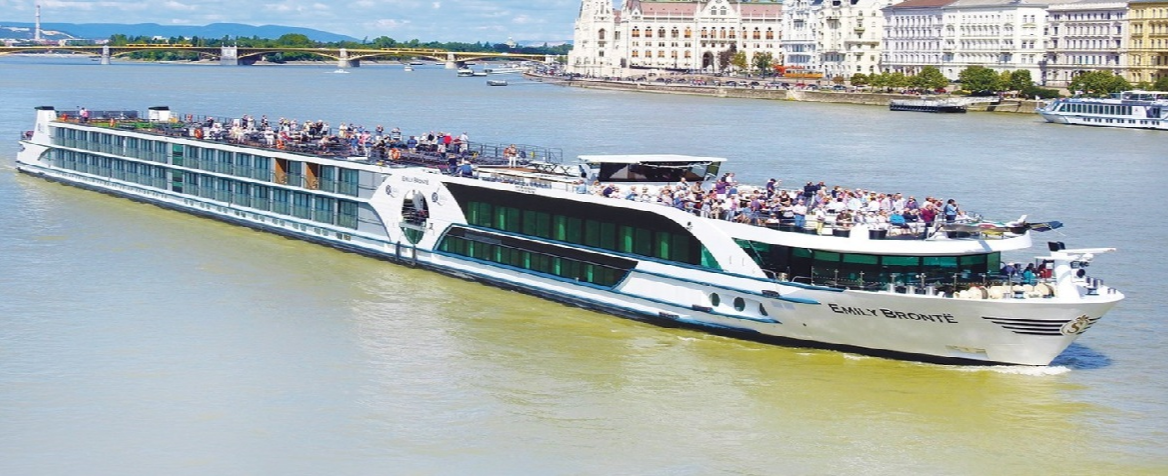

| 12 July | 7 days | Round-trip Rhine and Moselle River Cruise - MS Emily Bront |
450-628-6241
Call us
|
| 12 July | 8 days | Round-trip from Cologne, Germany |
450-628-6241
Call us
|
MS Oscar Wilde
6 Cruises
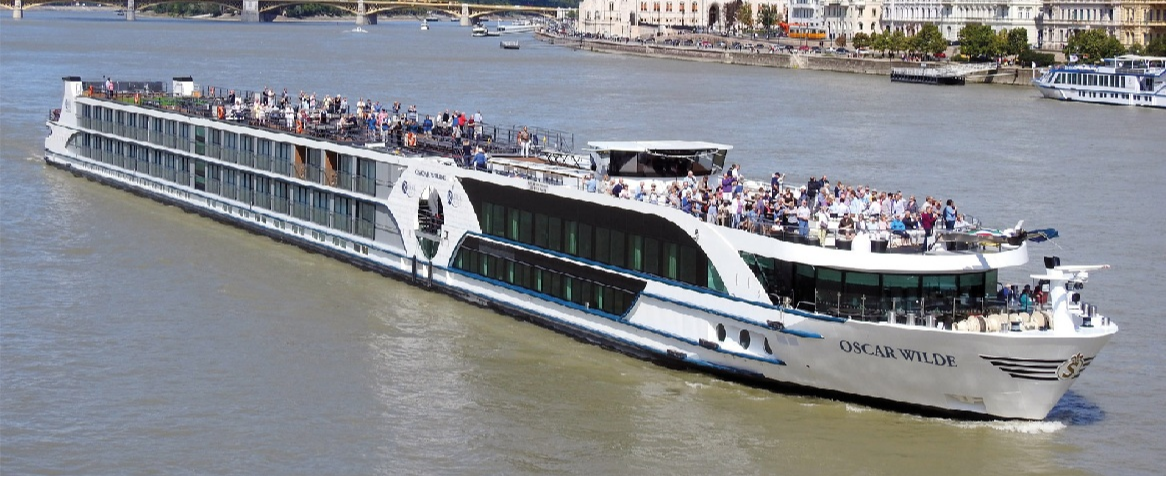
| 22 June | 7 days | Round-trip Rhine and Moselle River Cruise - MS Oscar Wilde |
450-628-6241
Call us
|
| 22 June | 8 days | Round-trip from Cologne, Germany |
450-628-6241
Call us
|

Traben-Trarbach, Germany | Cruise Port Guide
Frequently Asked Questions
Usually the right bank, the Trarbach side, near the Hotel Bellevue — one of the most photographed buildings in the valley with its slate pepper-pot roof. Traben occupies the left bank, and a bridge links the two.
Yes, entirely. The two centres face each other across the water and crossing the bridge takes only five minutes, with a clear view of the slopes that enclose the town.
Because around 1900 the twin town was among the largest wine trading centres in Europe — it was then presented as the world's second market after Bordeaux. Enriched merchants called in fashionable architects, among them the Berliner Bruno Möhring.
Look up: stained glass, mosaics, ironwork and carved balconies tell the story of the era when riesling was worth gold. Merchants' houses, monumental cellars and ornate doorways follow one another on both banks.
A private collection of some 2,000 statues from Tibet, Burma, China and Japan, housed in the former Julius Kayser cellar, itself Art Nouveau. The contrast surprises, but the whole makes up one of the largest collections of its kind in Europe.
Allow an hour to go round, longer if the calm of the place holds you. It stands along the riverside on the right bank, about ten minutes from the quay.
By a path that leaves from the centre of Trarbach and rises in twenty to thirty minutes to the surviving walls of the fortress. From up there the view takes in the bend of the Moselle, the slate roofs and the rows of vines on the slope.
Yes, a terrace waits at the foot of the Grevenburg ruins: you get your breath back over a glass before going down the same way. It is the best viewpoint of the call.
Yes, several houses open their vaulted cellars for guided tastings, often minutes from the quay. The wines of the Middle Moselle, lively and mineral, appeal even to those who know nothing about them.
The euro, with cash for the small cellars. The lower town is flat and easy; only the climb to the Grevenburg demands breath. The harvest, meanwhile, is still done by hand on steep slopes, basket on the back.


