Delos Island Greece
52
Cruises availables
At departure or passage at this port
Atlas Ocean Voyages (1 Cruises)
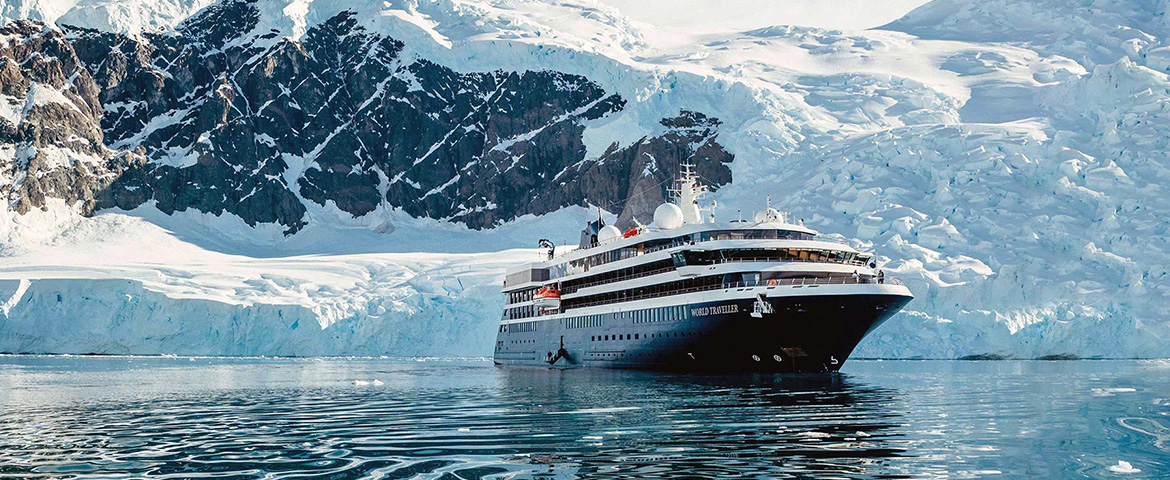

Emerald Waterways (35 Cruises)
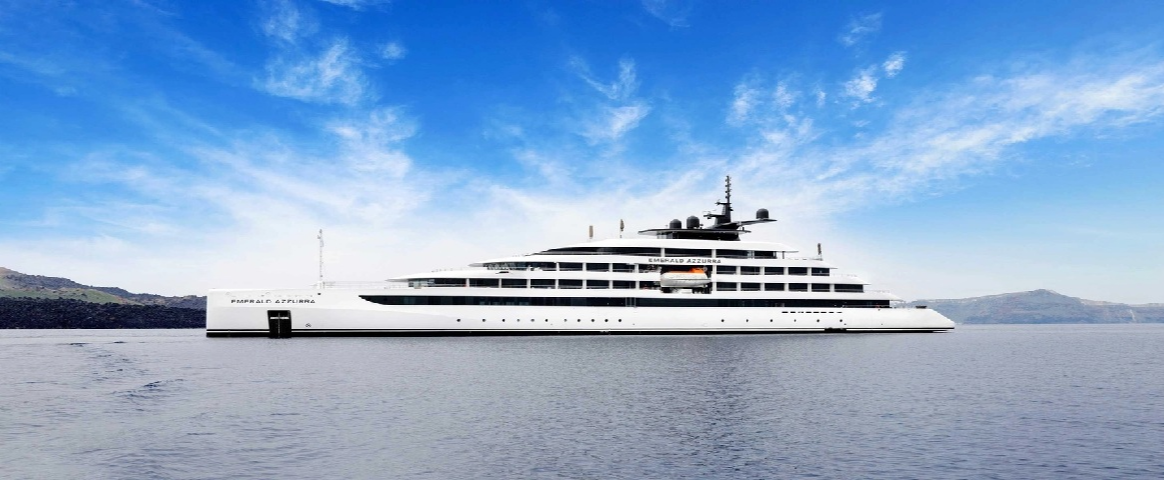
Emerald Azzurra
29 Cruises

| 29 May | 20 days | One-way from Piraeus-Athens to Venice |
450-628-6241
Call us
|
| 29 May | 22 days | One-way from Piraeus-Athens to Venice |
450-628-6241
Call us
|
| 26 June | 12 days | One-way from Dubrovnik to Piraeus-Athens |
450-628-6241
Call us
|
| 27 June | 10 days | One-way from Dubrovnik to Piraeus-Athens |
450-628-6241
Call us
|
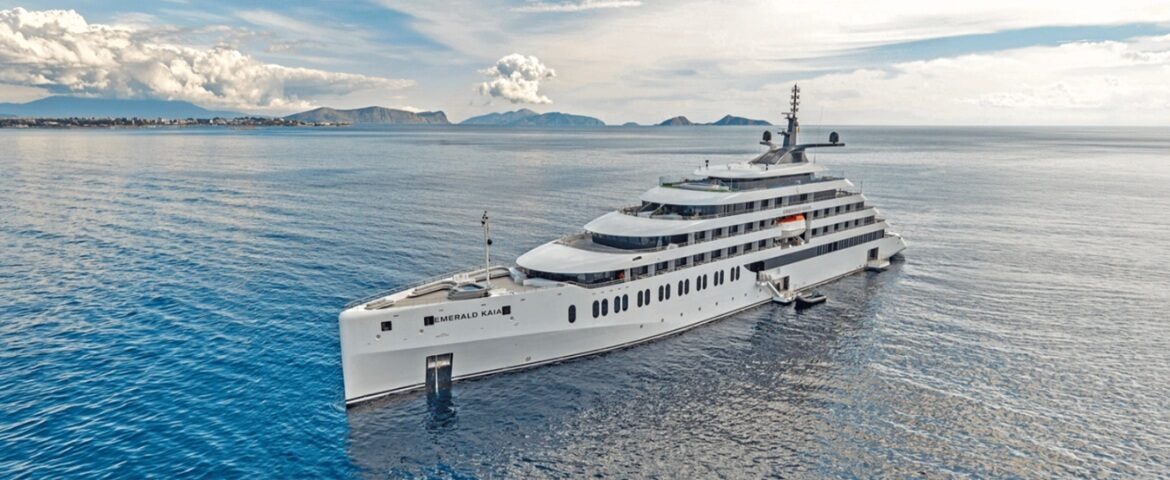
Emerald Kaia
5 Cruises
Lindblad Expeditions (10 Cruises)
National Geographic Orion
10 Cruises
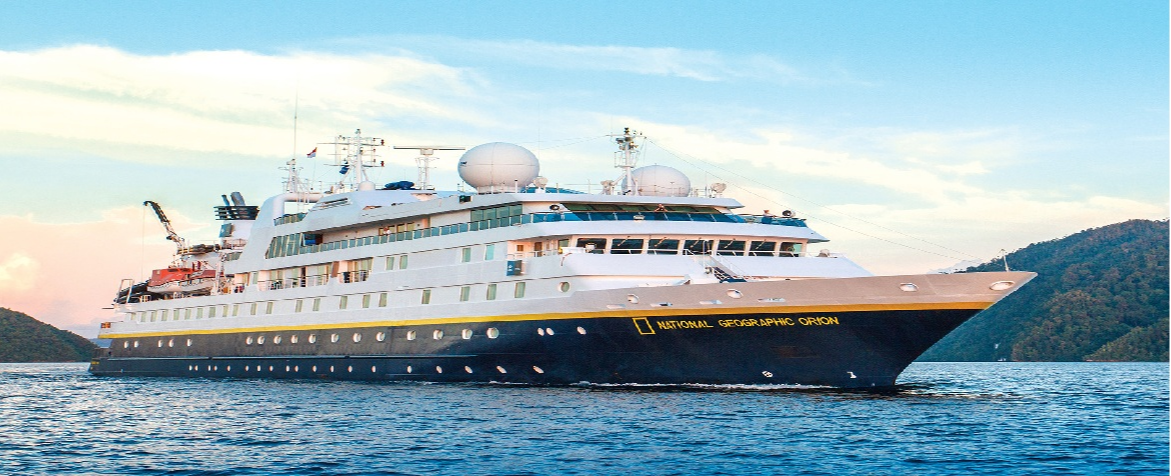

| 3 May | 11 days | Round-trip from Lavrion, Greece |
450-628-6241
Call us
|
| 27 May | 11 days | Round-trip from Piraeus-Athens, Greece |
450-628-6241
Call us
|
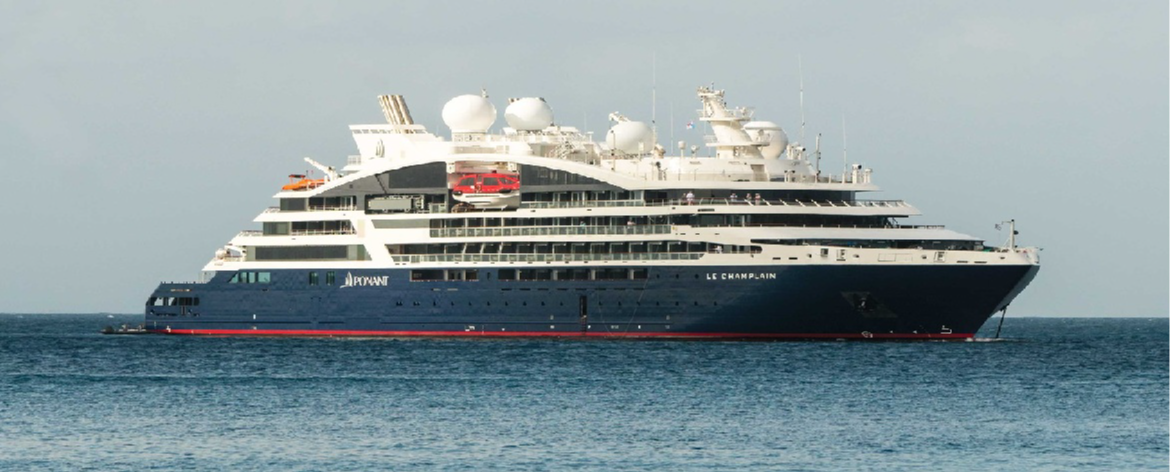
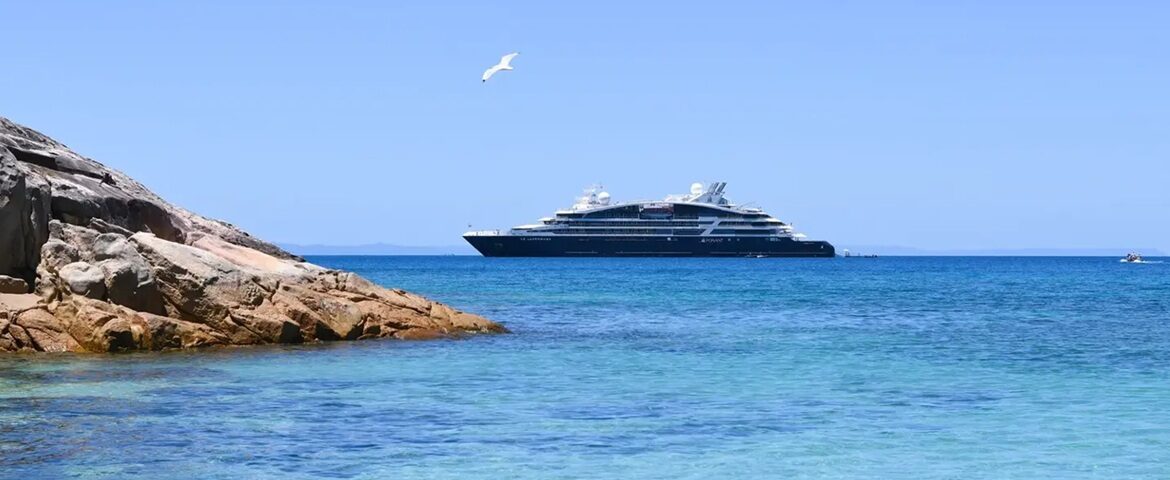
Ponant (5 Cruises)

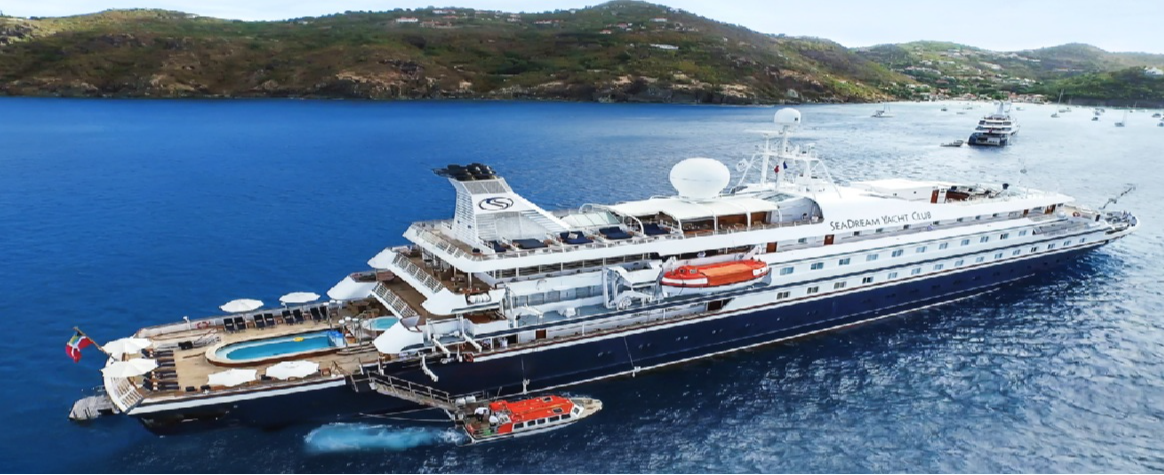
SeaDream Yacht Club (1 Cruises)

Frequently Asked Questions
By tender. Delos has no terminal: the whole island is an archaeological site of three and a half square kilometres, listed by UNESCO, and you land at the foot of the Sacred Way.
No permanent residents, apart from a few site guardians. Ancient sacred law already forbade anyone to be born or to die here, and the island has remained empty.
Two to three hours for most visits. Delos is half an hour's sailing from Mykonos, the departure point for most excursions.
The island's signature image: marble lions given by the people of Naxos around 600 BCE, which watched over the sacred lake. The ones standing in the open are replicas; the originals, worn by the centuries, are sheltered in the site museum.
The ancient Greeks held it to be the birthplace of Apollo and Artemis, which made it one of the major sanctuaries of the Aegean world. Later the city became one of the busiest trading ports of the Hellenistic Mediterranean.
The homes of wealthy merchants kept their colonnaded courtyards and decorated floors: the House of Dionysus and the House of the Dolphins hold mosaics of remarkable precision. The nearby theatre could seat thousands facing the sea.
It takes about twenty minutes and a few pauses to reach 113 metres, the island's highest point. Wind is almost guaranteed, and the panorama takes in Mykonos, Naxos, Paros and Syros on a clear day.
A hat, a well-filled water bottle and proper walking shoes. The island offers almost no shade and no shops, and summer heat is severe: this is the point not to underestimate.
Strongly recommended. A guide or audio guide transforms the walk: without the story, much of the site reduces to foundations and worn thresholds.
With care. The site is walked on uneven ground with no shade and no refreshments, and there is nothing to do but walk and look. Children curious about history are gripped; younger ones tire quickly.


