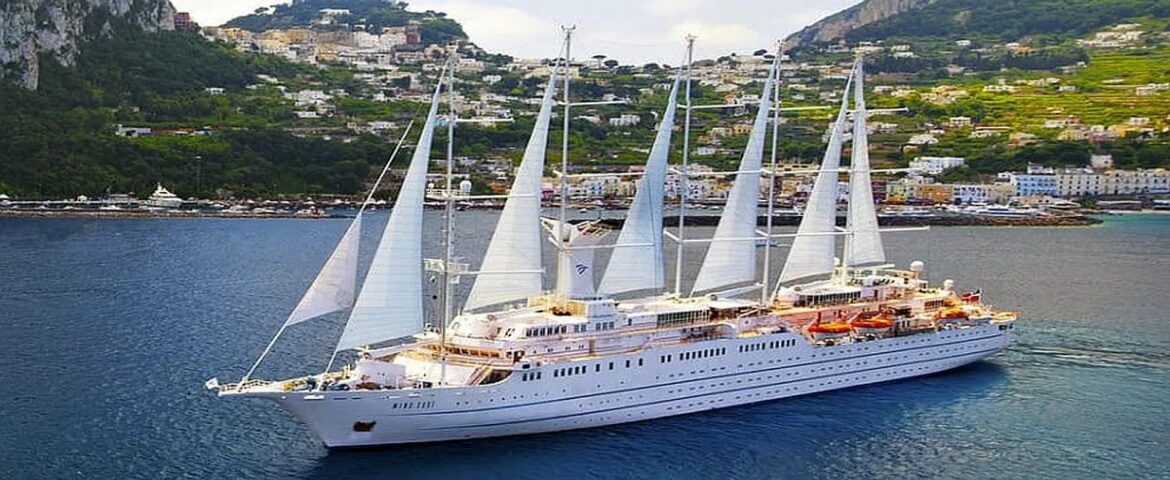
Folegandros isn't trying to impress anyone, and that's exactly its appeal. This small, austere Cycladic island, set between sea and cliffs, has long stayed off the Aegean's main tourist routes. The modest-sized ships that call here offer their passengers a Greece from before the crowds: whitewashed walls, shaded squares, sleeping cats, and a blue horizon stretching as far as the eye can see.

Karavostasis, the Island's Threshold

Ships anchor offshore and tenders bring passengers to Karavostasis, the island's modest landing point: a few tavernas with their feet in the water, a pebble beach, fishing boats, and tamarisk trees offering shade to swimmers. Nothing spectacular, everything restful. Those who want to ease into the day can even take a dip here before heading up to the village, since the water is clear right from the shore.

The Chora, a Village Suspended in Air

Perched on the edge of a high cliff facing the Aegean, Folegandros' Chora ranks among the most beautiful villages in the Cyclades, without ever needing to announce it. It's reached by bus in barely five minutes, with departures running throughout the day in season; strong walkers can also make the climb on foot, allowing 30 to 40 minutes uphill, with the sea at their back. Its old heart, the Kastro, still holds the layout of a medieval fortified quarter: houses pressed together like a rampart, colourful wooden staircases climbing the façades, narrow lanes slipping under vaulted passageways. Around it, a string of shaded little squares links tavernas and cafés where locals take their time, under bougainvillea and pruned mulberry trees. Sit down, order a Greek coffee or a plate of mezze, and it quickly becomes clear why regulars come back year after year.

The Panagia Path

Above the rooftops, a paved path winds its way up toward the Church of the Panagia, a white silhouette set on the ridge. The climb takes a reasonable amount of effort and is best done in late morning, when the light shapes the headlands. From the church forecourt, the panorama takes in the village clinging to its cliff, the farming terraces, and the neighbouring islands floating in the heat haze. It's the image most visitors carry away from Folegandros, and it costs only a few hundred steps.

Toward Ano Meria and the Coves

Those with more time can push on to Ano Meria, a village stretched out along the ridge road, where a small folklore museum evokes rural life of the past: bread ovens, wine presses, farming tools. The route crosses a landscape of terraces and stone walls where fearless goats graze. On the water side, boat excursions circle the jagged coastline, weaving between sea caves and coves reachable only from the water. The island also lends itself well to hiking: its old mule paths connect chapels and hamlets through a stark landscape, swept by the wind and the song of cicadas.

What Stays With You

On the way back to Karavostasis, many passengers fall quiet, as if not wanting to waste what they've just experienced. Folegandros has no major archaeological site, no famous monument; it offers something rarer, a certain idea of island Greece, intact and proud. Those who've tasted it once tend to keep an eye on cruise itineraries afterward, hoping to see its name come up again.

Frequently Asked Questions

At Karavostasis, the island's modest landing: ships anchor offshore and tenders drop passengers in front of a few tavernas at the water's edge, a pebble beach and fishing boats.
By bus, in barely five minutes, with departures running through the day in season. Strong walkers can also climb on foot: allow 30 to 40 minutes uphill.
The old heart of Chora, which keeps the layout of a medieval fortified quarter: houses pressed together like a rampart, colourful wooden stairs climbing the facades, lanes slipping under vaulted passages.
The bus up to Chora, a wander through the Kastro, the climb to the Panagia church, then a Greek coffee on a shaded square before heading back down. A calm and complete plan.
It asks for reasonable effort: a paved path zigzags up a few hundred steps above the rooftops. Best done in late morning, when the light sculpts the headlands.
Yes, right at the landing: the pebble beach at Karavostasis is clear from the shore and shaded by tamarisks. Boat trips also reach coves accessible only from the water, and sea caves.
A village strung along the ridge road, with a small folklore museum evoking rural life of the past: bread ovens, presses, field tools. The drive crosses terraces and stone walls where goats graze.
No, and it is only fair to say so: no major archaeological site and no famous monument. What the island offers is a village suspended over a cliff and an island Greece that has stayed intact.
With reservations. Chora is charming but everything goes up and down by steps; with a stroller it is awkward. Older children will enjoy the beach, the boats and the lanes.
The euro and Greek. The island is small and long stayed off the tourist routes: bring cash. English is spoken in the tavernas of Chora and the landing.