Pylos Greece

22 Cruises availables At departure or passage at this port

Pylos Greece | Navarino Bay & Peloponnese Cruise Guide

Navarino Bay barely opens: a long island, Sphacteria, closes it off almost entirely, leaving ships only a narrow passage into one of the safest anchorages in the Mediterranean. It was in these calm waters, on October 20, 1827, that the British, French and Russian fleets destroyed the Turkish-Egyptian armada, hastening Greek independence. Pylos, the amphitheatre of white houses lining the southeast side of the bay, keeps the memory alive right at its very heart.

An arrival in calm waters

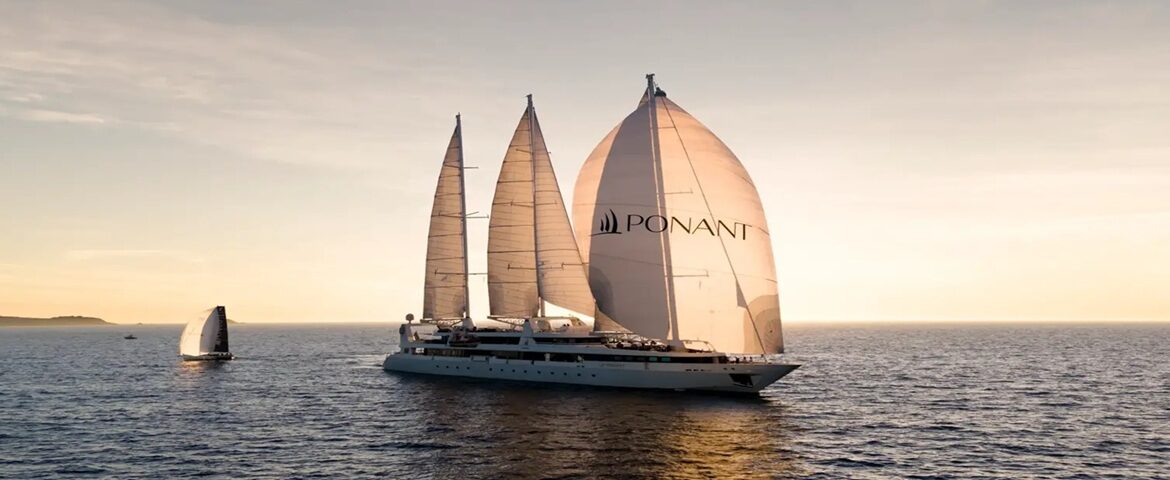
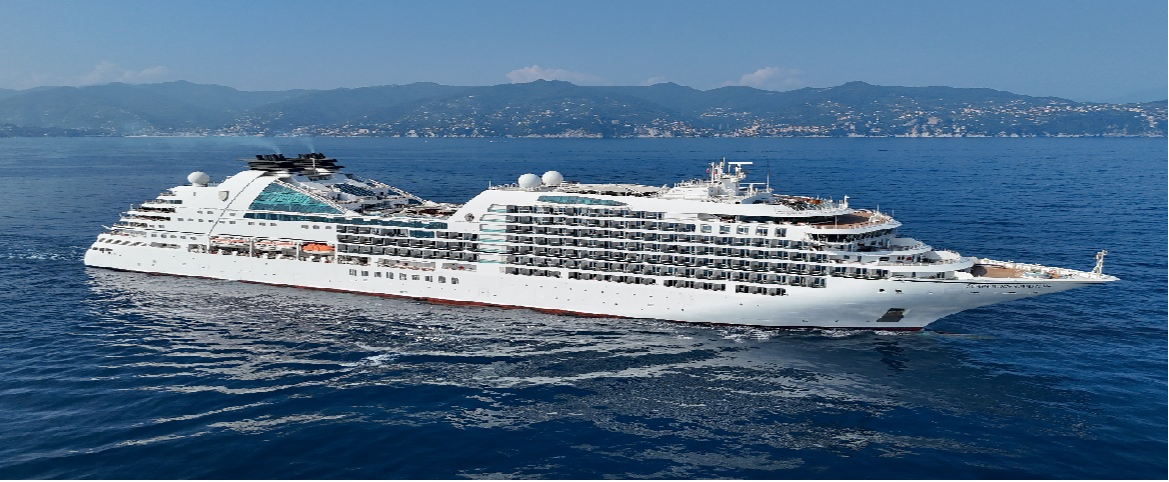
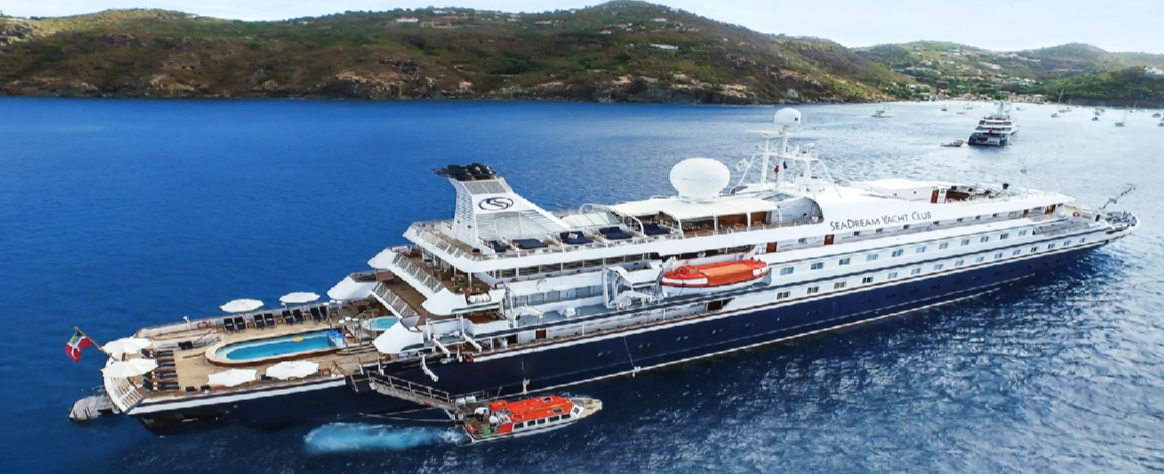
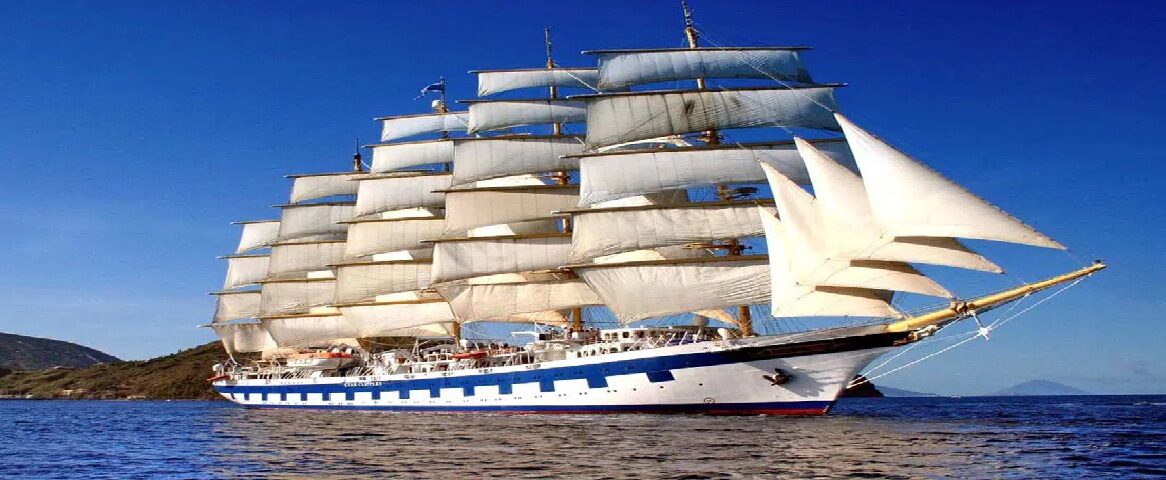
Small and mid-sized ships drop anchor in the harbour or tie up at the breakwater, a few minutes from the centre. The landing leads directly to the waterfront, where fishing boats and sailboats share the basin. Pylos can be explored entirely on foot, along gentle slopes, beneath arcades and tiled roofs that date mostly from the reconstruction carried out by the French after 1828.

Three Admirals Square

The heart of the little town beats on Three Admirals Square, shaded by immense plane trees. At its centre, a three-sided monument honours the commanders of the Allied squadrons at Navarino, flanked by period cannons. Around it, cafés and pastry shops come to life from the morning on: it's the perfect spot for a first Greek coffee, watching local life unfold unhurriedly around the kiosk and the stalls.

Niokastro, the six-pointed fortress

Above the southern entrance to the bay, Niokastro, built by the Ottomans in 1573, is among the best-preserved fortresses in Greece. The climb from the centre takes about ten minutes and passes through thick ramparts to open onto a vast enclosure: the Church of the Transfiguration, originally a mosque, restored barracks housing archaeological collections — allow a good hour for the full visit — and wall walks overlooking the water. From the top of the hexagonal bastions, the view takes in Sphacteria, the channel and the hills of Messinia.

Gialova Lagoon and Voidokilia

Farther north, Gialova Lagoon draws flamingos and migratory birds on the road to one of the most astonishing beaches in the Peloponnese: Voidokilia, an almost perfect arc of sand enclosing translucent water, with the ruins of Old Navarino Castle on the neighbouring ridge. About ten kilometres separate Pylos from this landscape; taxis and excursions will take you there, and walkers will find easy trails between the dunes and the lagoon.

The Palace of Nestor

Antiquity enthusiasts will continue to the Palace of Nestor, about fifteen kilometres into the hills: the remains of this Mycenaean residence, linked to the wise king of the Iliad and the Odyssey, are among the best preserved in the Mycenaean world, protected by an elegant modern roof. The nearby museum in Chora completes the visit with the objects unearthed at the site.

A souvenir of Messinia

Before heading back on board, slip a bottle of the region's olive oil into your bag: the olive groves of Messinia are among the most renowned in Greece, and the waterfront shops offer small-batch bottlings from local producers.

Practical pointers

PlaceDistanceAccess
Three Admirals SquareRight thereOn foot
Niokastro fortressAbout 1 kmOn foot, gentle climb
Gialova Lagoon and VoidokiliaAbout 10 kmTaxi or excursion
Palace of NestorAbout 15 kmTaxi or excursion

Back through the channel

On departure, the ship sails past Sphacteria and its naval memorials before reaching the open sea. The bay then closes its curtain on two thousand years of battles and treaties, becoming once again what it seems at first glance: a peaceful mirror of water between the hills. Pylos is hard to forget, precisely because it makes no effort to hold on to you.

Frequently Asked Questions

In Navarino Bay, one of the safest anchorages in the Mediterranean, almost entirely closed off by the island of Sphacteria. Small and mid-sized ships anchor in the roadstead or tie up at the mole, minutes from the centre.
On 20 October 1827, the British, French and Russian fleets destroyed the Turkish-Egyptian armada here, hastening Greek independence. Three Admirals Square, at the heart of Pylos, honours the commanders of the allied squadrons.
Yes, entirely, on gentle slopes beneath the arcades and tiled roofs that largely date from the French-led reconstruction after 1828. The Niokastro fortress is about a kilometre away on an easy climb.
A fortress built by the Ottomans in 1573, among the best preserved in Greece. Ten minutes' climb from the centre leads into a vast enclosure: the church of the Transfiguration, originally a mosque, restored barracks housing archaeological collections, and wall-walks open to the bay. Allow a good hour.
Three Admirals Square and the Niokastro fill the morning on foot. In the afternoon you must choose: Voidokilia beach and the Gialova lagoon about ten kilometres away, or the Palace of Nestor about fifteen.
An almost perfect arc of sand closing around translucent water, about ten kilometres north of Pylos, with the ruins of the old Navarino castle on the neighbouring ridge. Taxis and excursions handle the trip, and easy paths link the dunes and the lagoon.
The remains of a Mycenaean residence linked to the wise king of the Iliad and the Odyssey, about fifteen kilometres inland. They are among the best preserved in the Mycenaean world, sheltered by a modern roof, and the nearby museum at Chora completes the visit.
Yes, at the Gialova lagoon on the road to Voidokilia, which draws flamingos and migratory birds. It is one of the notable wetlands of the Peloponnese.
A bottle of Messenian olive oil: the region's groves rank among the most respected in Greece, and the waterfront shops carry small producer batches.
The euro and Greek, with English understood in the square's cafés and the waterfront shops. Bring cash for taxis to Voidokilia or the Palace of Nestor.