Symi Island Greece

42 Cruises availables At departure or passage at this port

Seabourn Cruise Line (30 Cruises)

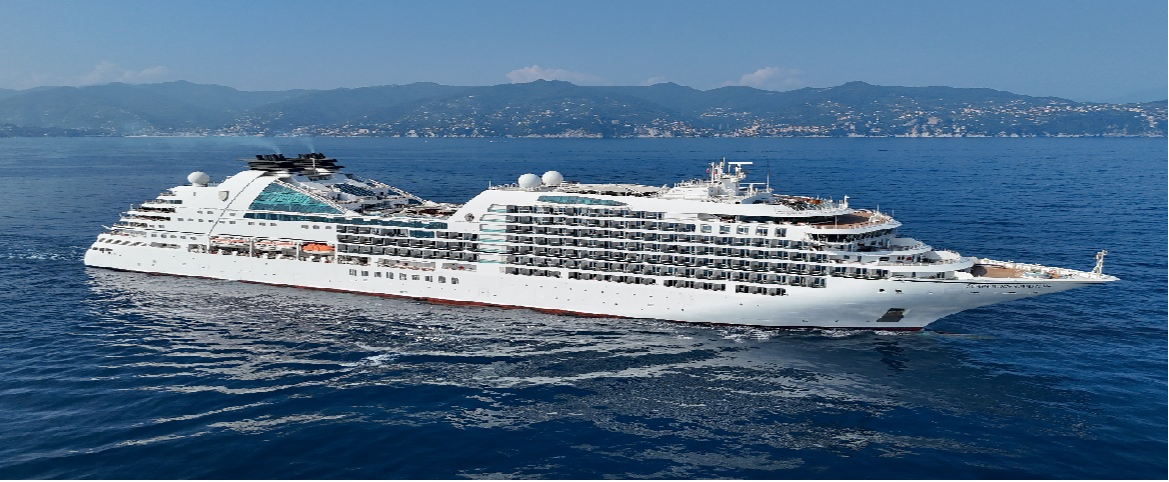
Seabourn Ovation.

Seabourn Ovation

40350 tons
Visit the ship's page

Port of Symi, Greece | Cruise Port Guide

Entering Symi's harbour almost always triggers the same reflex, and it's easy to see why: passengers crowd the decks, cameras in hand. The small port of Gialos spreads out like an amphitheatre of hundreds of neoclassical houses with ochre, yellow and brick-red façades, stacked up the hillside in an order so harmonious it looks designed. No modern building disturbs the scene: the entire island is protected, and its 19th-century setting has come through the ages intact.

Gialos, docking in the heart of the scenery

Smaller ships moor directly at the Gialos quay, among the yachts and fishing boats; larger ones anchor in the harbour. Either way, the call begins in the middle of the theatre: the 1881 clock tower, the stone bridge and the pedimented façades are on display from the gangway. Symi's wealth came from the sea: its sponge divers and shipyards once made it one of the most prosperous islands in the Dodecanese, and the captains' mansions still bear witness to this. Behind the first row of houses, the shopping lanes concentrate daily life, and the neighbouring cove of Harani, where shipwrights once repaired hulls, extends the walk toward old wooden boatyards.

The Kali Strata, the five-hundred-step staircase

Between Gialos and the upper village of Chorio stretches the Kali Strata, the "good road": a monumental staircase of about five hundred steps lined with old houses, some carefully restored, others left to the fig trees. The climb proceeds in stages, among sleeping cats and vaulted passageways, and each pause reveals the harbour from a new angle. At the top, Chorio rewards the effort with quiet lanes and views of the island's bare hills. It's best to start the climb early, before the full heat; coming back down at sunset, when the façades turn from ochre to copper, is one of the highlights of the day.

Museum, sponges and shrimp

Along the quay, shops carry on the trade that made the island famous: natural sponges, sold in every size, whose harvesting and preparation the merchants are happy to explain. The small nautical museum, near the central square, completes the picture with models, diving suits and archives from the great years of sponge diving. At mealtime, the tavernas serve the local specialty: the small Symi shrimp, fried whole and crunchy, eaten casually with a glass of white wine facing the masts, while the caiques return to the harbour.

Panormitis, the monastery at the end of the island

At the southern tip, the Monastery of the Archangel Michael Panormitis watches over an enclosed, almost circular bay. Its Baroque bell tower, among the tallest of its kind, rises above a long white façade facing the sea. A major pilgrimage site in the Dodecanese, the sanctuary houses a revered icon and two small museums. Some shore excursions go there by boat or by road; the round trip, however, takes a good part of the day, so weigh it against the ship's schedule.

Practical tips

  • Docking or anchoring opposite the main quay; the entire waterfront can be explored on foot.
  • Kali Strata: about 500 steps up to Chorio, closed-toe shoes recommended.
  • Panormitis Monastery accessible by organized excursion only.
  • Currency: euro. Typical purchases: natural sponges and dried herbs.

At departure, the ship glides slowly between the two shores of the harbour, and the neoclassical mansions file past one last time, row after row. Symi belongs to that rare category of ports of call whose image remains sharp years later, precisely because it has given nothing up to the present.

Frequently Asked Questions

Smaller ships tie up directly at the Gialos quay, among the yachts and fishing boats; larger ones anchor in the roadstead. Either way, the call begins in the middle of the scenery.
Because hundreds of neoclassical houses in ochre, yellow and brick stack up an amphitheatre of hillside, with no modern building at all: the whole island is protected and its nineteenth-century setting has come through the decades intact.
The monumental stairway of about five hundred steps linking Gialos to the upper village of Chorio, lined with old houses, some restored, others surrendered to fig trees. The climb goes in stages, and each pause reveals the harbour from a new angle.
Early, before the full heat. Coming back down at sunset, when the facades shift from ochre to copper, is one of the strongest images of the day. Closed shoes recommended.
The Gialos waterfront and the neighbouring inlet of Harani on foot, the Kali Strata to Chorio for strong legs, then a plate of Symi shrimp facing the masts. Panormitis monastery takes up most of the day.
Because its sponge divers and shipyards made it one of the most prosperous islands in the Dodecanese. The quayside shops carry on the trade, and the small nautical museum shows models, diving suits and archives from the great years of the industry.
A small local shrimp, fried whole and crisp, eaten without ceremony with a glass of white wine at the harbour taverns. It is the island's speciality.
Only on an organised excursion, and the round trip takes most of the day. This sanctuary of the Archangel Michael at the southern tip is a major Dodecanese pilgrimage, with a baroque bell tower among the tallest of its kind.
Natural sponges, sold in every size by merchants happy to explain the harvest and preparation, along with dried herbs from the island.
The euro and Greek, with English understood along the waterfront. Cards work in most quayside shops; keep cash for the small stalls of Chorio.