Qassiarsuk Greenland
Greenland

47 Cruises availables At departure or passage at this port

Seabourn Cruise Line (41 Cruises)

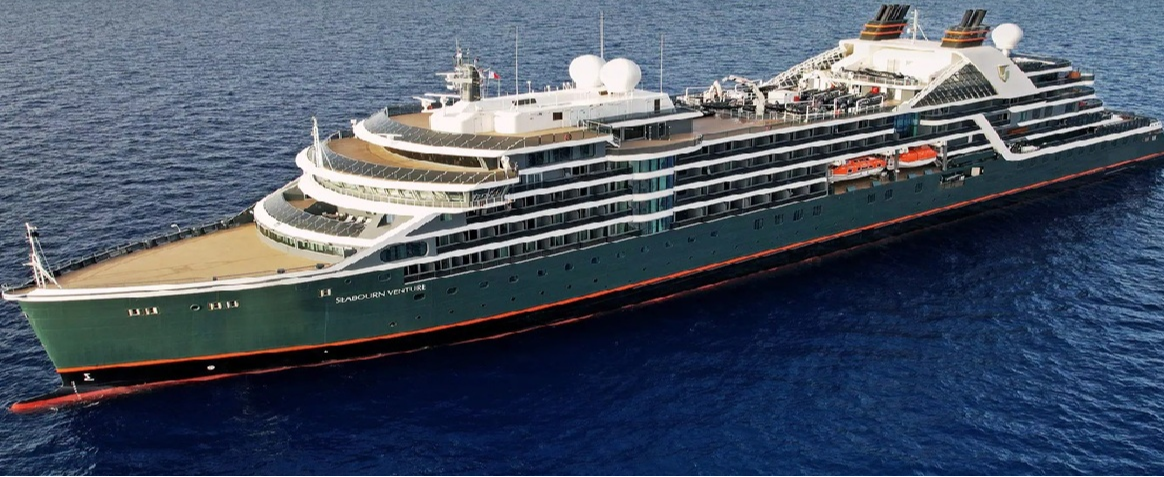
Seabourn Venture

Seabourn Venture

Visit the ship's page

Qassiarsuk (Brattahlid), Greenland | Viking Heritage Guide

The year 985. Banished from Iceland for three years, Erik the Red sails up a fjord in southern Greenland and chooses a green, sunny slope on which to build his farm. He names it Brattahlid, "the steep slope." A thousand years later, the hamlet of Qassiarsuk occupies exactly the same shore, and sheep still graze among the Viking ruins. Few port calls in the world let you set foot on a place so precisely steeped in history.

A fjord laden with ice and memory

Expedition ships sail up the Tunulliarfik, the Eriksfjord of the sagas, between russet cliffs and icebergs drifting from the head of the valley. Landing is by Zodiac, at a small pier or directly on the beach, facing a handful of wooden houses and sheepfolds. Across the water, the Narsarsuaq airstrip is a reminder that the region served as a stopover for Allied aircraft during the Second World War.

Brattahlid, Erik the Red's farm

A path climbs from the shore to the Norse remains: foundations of the great house, enclosures, the remains of byres. It was from here that Leif Erikson, Erik's son, set sail around the year 1000 on the voyage that took him to the shores of North America, which he named Vinland. His bronze statue now watches over the hill, gazing westward. Archaeologists have also uncovered traces of a tiny chapel, built according to tradition for Thjodhild, Erik's wife, and considered the first Christian church in the Western Hemisphere.

The reconstructed longhouse and chapel

To bring these foundations to life, the village built a turf Viking longhouse in 2000, along with a replica of Thjodhild's chapel a few dozen metres away. You step under the grass roofs, sit on the wooden benches in the half-light, and the smell of the turf does the rest: the life of the Scandinavian settlers suddenly becomes very real. It's easy to imagine the long winter evenings, the tales of voyages, the quarrels and reconciliations around the central fire. Local guides, often the sons and daughters of sheep farmers, tell of the two worlds that followed one another here, that of the Norse and that of the Inuit.

Kujataa, a protected farming landscape

Qassiarsuk is part of Kujataa, inscribed as a UNESCO World Heritage Site in 2017: a subarctic farming landscape that reveals a thousand years of livestock raising, from Viking farms to today's sheepfolds. The hamlet has about thirty residents, almost all of them involved in sheep farming. The modern chapter even has its own founding date: in 1924, Greenlander Otto Frederiksen settled on these lands to revive sheep farming, eight centuries after the Norse, and his pioneering farm spread its model throughout the region. Walking between the fences, waving to a shepherd on a quad, watching lambs bound down the slopes above the icebergs: the contrast remains one of the most striking in the Arctic.

Practical pointers

  • Zodiac landing; grassy terrain and sometimes muddy trails.
  • Ruins, reconstructions and the Leif Erikson statue within a twenty-minute walk.
  • Admission to the reconstructed buildings is generally included in organized excursions.
  • Few or no shops: bring what you need.
  • Warm clothing and a windbreaker, even under the July sun.

Leaving with a thousand years in your eyes

On deck, sailing back down the fjord, you think back to that green slope where it all began: the settlement of Greenland, the route to America, the meeting of two peoples. Qassiarsuk has neither a grand museum nor a souvenir shop, but it offers what few places still possess: the certainty of walking where history really happened.

Frequently Asked Questions

By Zodiac, at a small jetty or straight onto the shingle, facing a handful of wooden houses and sheep barns. Ships come up Tunulliarfik, the Eriksfjord of the sagas, between rust-coloured walls and icebergs.
The name Erik the Red gave the farm he built here around 985, after his banishment from Iceland. It means "the steep slope." Qassiarsuk occupies the very same shore a thousand years later.
A path climbs from the shore to the foundations of the great hall, the enclosures and the remains of byres. Archaeologists also uncovered traces of a tiny chapel built for Thjodhild, Erik's wife, considered the first Christian church in the western hemisphere.
It was from here that Leif Erikson, son of Erik the Red, set sail around the year 1000 on the voyage that took him to the coast of North America, which he named Vinland. His bronze statue stands on the hill, facing west.
Yes. In 2000 the village rebuilt a turf longhouse and a replica of Thjodhild's chapel. You duck under the grass roofs, sit on the wooden benches in the dim light, and the smell of turf does the rest.
A subarctic farming landscape inscribed on the UNESCO World Heritage list in 2017, where a thousand years of animal husbandry can be read on the ground, from Viking farms to today's sheep stations.
About thirty, nearly all tied to sheep farming. In 1924 the Greenlander Otto Frederiksen settled here to revive farming, eight centuries after the Norse, and his pioneer farm spawned others across the region.
Under twenty minutes on foot links the landing to the ruins, the reconstructions and the Leif Erikson statue. Half a day is ample, with time to listen to the guides.
Virtually none. Bring what you need: water, a snack, warm clothing. Entry to the reconstructed buildings is usually included in organised excursions.
Warm clothing and a windproof shell, even under July sun. The ground is grassy and the paths turn muddy after rain: closed shoes are essential.