Qeqertarsuaq Disko Island Greenland
Greenland

33 Cruises availables At departure or passage at this port

Qeqertarsuaq, Greenland | Disko Island Arctic Guide

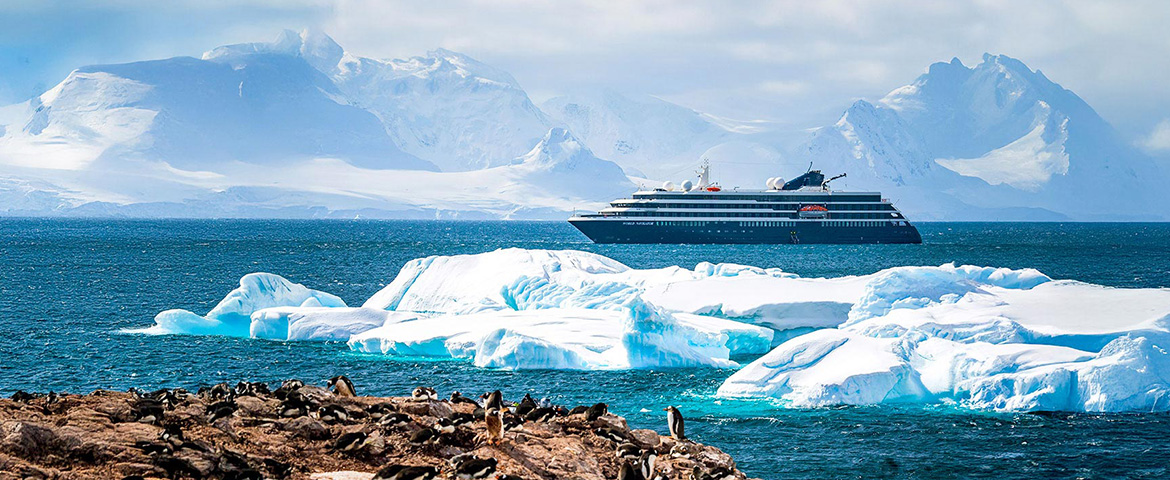
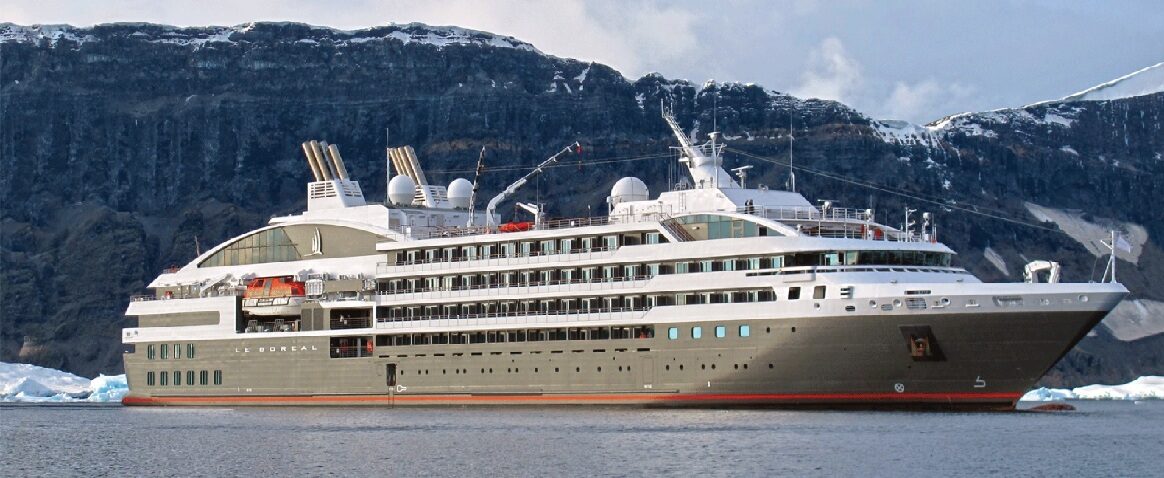
From the ship's deck, Disko Island shows its true colours: dark basalt mountains capped with snow, waterfalls tumbling down volcanic terraces and, at the foot of the cliffs, a black-sand beach glittering with stranded shards of ice. Qeqertarsuaq, "the big island" in Greenlandic, is the only settlement on this volcanic island in the middle of Disko Bay, one of the richest bodies of water in the entire Arctic for icebergs and whales.

An anchorage among the whales

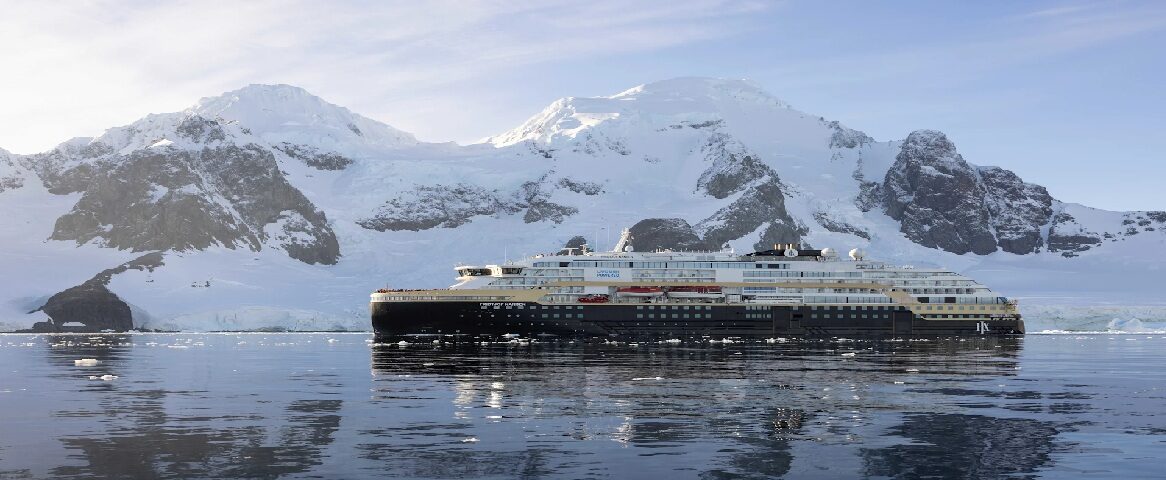
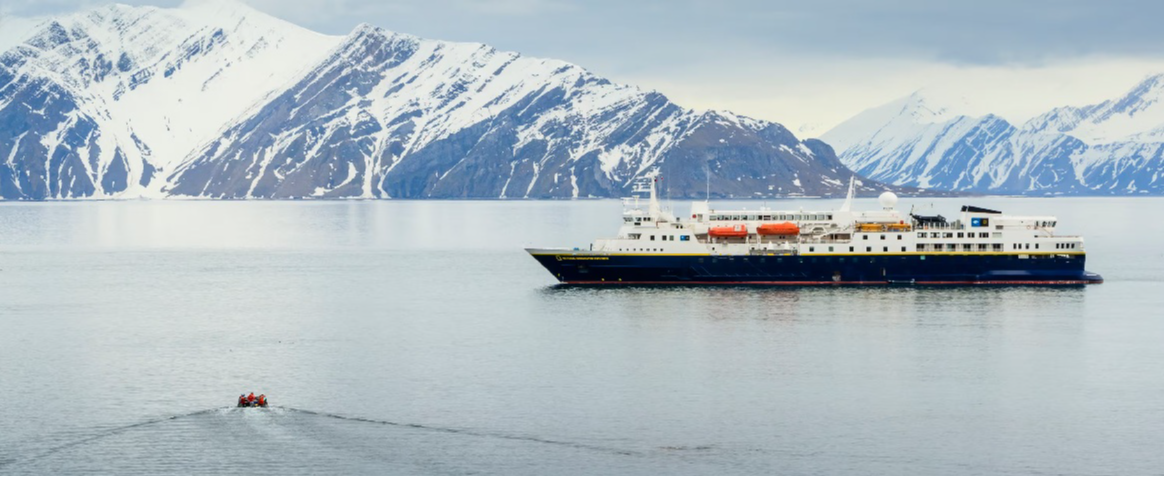
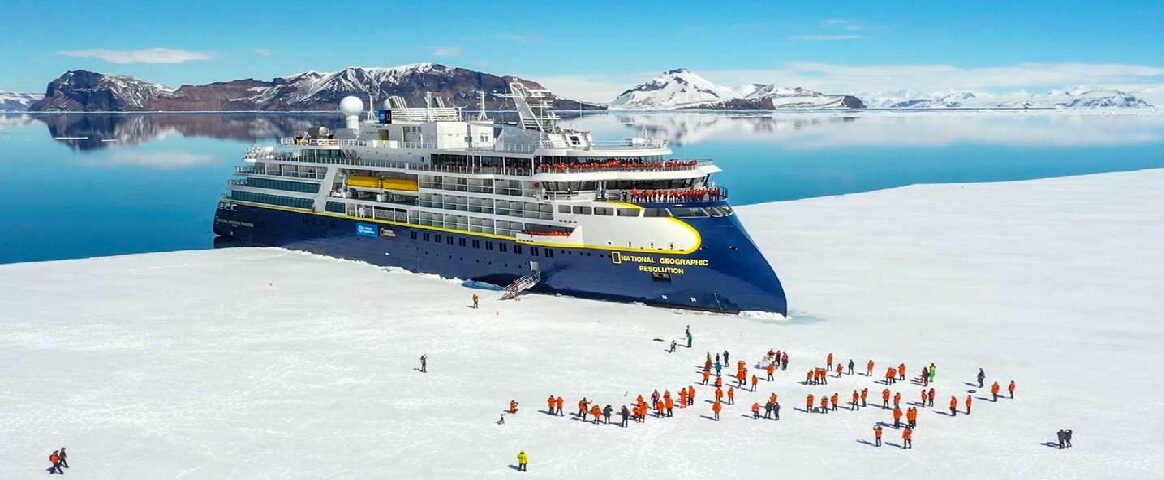
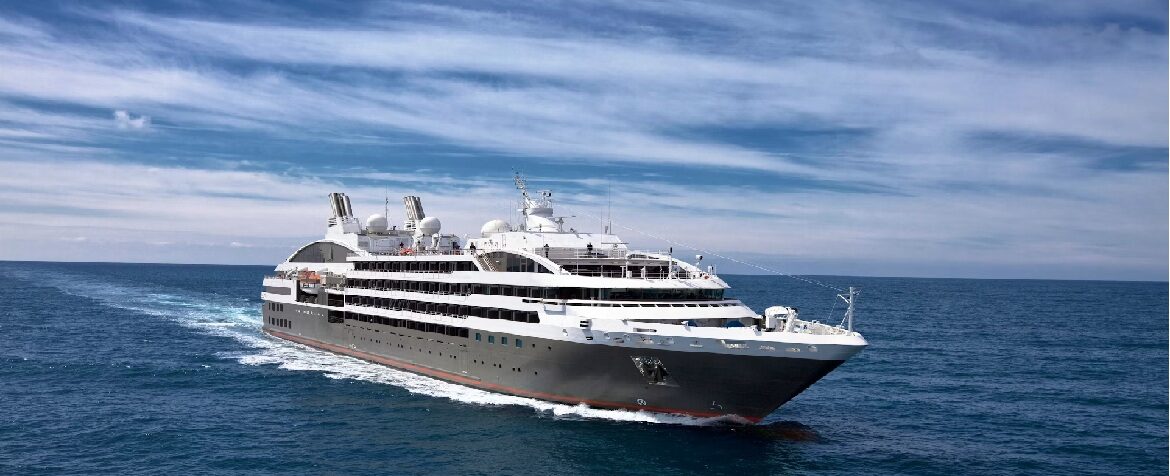
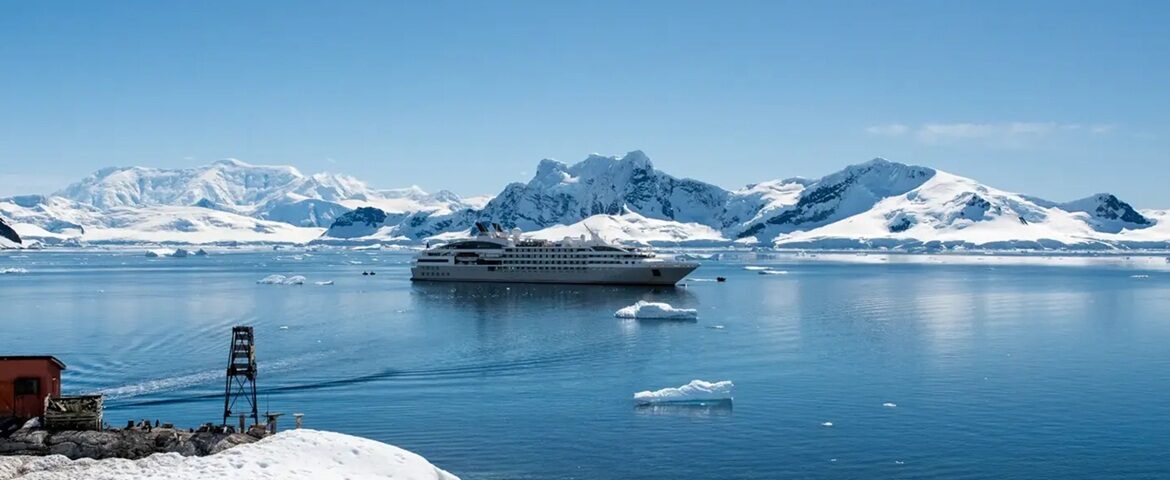
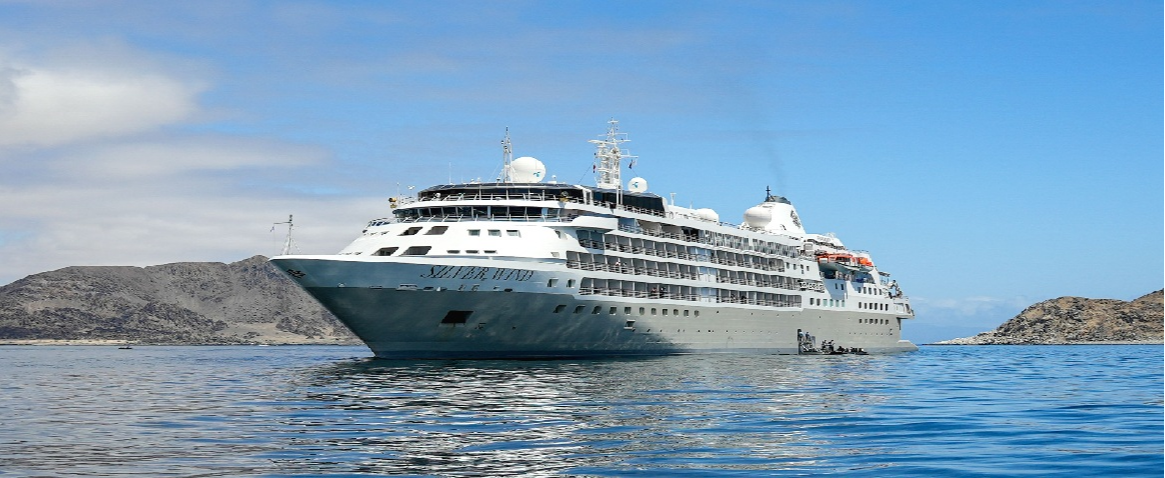
Ships anchor off the small town and bring their passengers by Zodiac or tender to the little harbour. The approach alone is worth the port call: every summer, humpback whales come to feed in the waters along the coast, and it's not unusual to spot them from the deck, sometimes just a few hundred metres from shore. Icebergs calved by the glaciers at the head of the bay complete the scene, sculpted by the wind into fleeting arches and towers. In spring, it's the bowhead whale that frequents the bay, as in the days of the whalers of old.

Godhavn, the former capital of the North

Founded in 1773 around a sheltered anchorage, the town was long called Godhavn, "the good harbour." Until 1950, it was the capital of North Greenland, administered separately from the South. From that era remains an elegant wooden residence that served as headquarters for the northern administration and now houses the local museum: photographs, harpoons, whaling artifacts and mementos of the little capital's golden age are gathered there.

God's Inkwell

In the centre of the village stands the most unusual church in the country, nicknamed "God's little inkwell" because of its octagonal shape and its dark, unusually curved roof. Built in the early 20th century, it reflects the care that Arctic communities devoted to their most treasured buildings. Around it, the painted houses follow the gentle slope down to the sea, crossed by a meltwater stream.

Basalt, flowering tundra and the valley of the winds

Disko Island is a world apart in Greenland: its volcanic bedrock retains heat and water, so much so that more than half of the country's plant species are found here. From the village, a trail climbs the Blæsedalen, the "valley of the winds," between basalt columns and fields of cotton grass. Without going that far, a walk to the black-sand beach is enough to appreciate the strangeness of the landscape. To the east, the Kuannit coastal trail runs along wave-battered basalt columns, amid surprisingly dense vegetation where elders once gathered the angelica that gives the place its name. Above the village, the Lyngmark Glacier caps the mountain at nearly 800 metres; some summers, dog teams offer sled rides on the eternal snow, a rare experience in the middle of July.

Practical pointers

  • Landing by Zodiac or tender; a compact town where everything is done on foot.
  • Museum and church less than ten minutes from the landing.
  • Blæsedalen hike: allow two to three hours and good shoes.
  • The University of Copenhagen's Arctic research station has been based here since 1906.
  • Cool temperatures even in summer; mosquitoes may be present in calm weather.

The wake home

Leaving Qeqertarsuaq, the ship follows the basalt columns a while longer before rejoining the icebergs of the bay. Sometimes a whale's spout salutes the departure. Those who have walked on the black sand come away with the impression of having visited an island that belongs only half to Greenland, and the other half to a very old, sleeping volcano.

Frequently Asked Questions

At anchor off the settlement. Zodiacs or tenders land passengers at the small harbour, and the compact town is then covered entirely on foot.
Its volcanic bedrock. Basalt holds heat and water, so the island accounts for more than half of the country's plant species. Dark basalt mountains, waterfalls and a black sand beach: nothing else in Greenland looks like it.
Every summer humpback whales feed in the waters along the coast, and it is common to spot them from the deck, sometimes only a few hundred metres offshore. In spring it is the bowhead whale that frequents the bay.
Because of its octagonal shape and the unusual curves of its dark roof. Built in the early 20th century, it is the most distinctive church in the country.
The former name of Qeqertarsuaq, "the good harbour," given at its founding in 1773. Until 1950 the town was the capital of North Greenland, administered separately from the south.
Photographs, harpoons, whaling artefacts and mementos of the little capital's heyday. The museum occupies an elegant wooden house that served as the seat of the northern administration.
Blæsedalen, the "valley of winds," between basalt columns and fields of cotton grass: allow two to three hours and good shoes. Shorter, the Kuannit coastal path runs along wave-beaten basalt organ pipes.
A glacier capping the mountain above the village at nearly 800 metres. Some summers, dog teams offer sledding there on the permanent snow — a rare thing in the middle of July.
"The big island" in Greenlandic. It is the only settlement on this volcanic island set in the middle of Disko Bay.
Yes, on still days, as anywhere on the Greenlandic tundra in summer. Repellent helps, and so does a warm layer: temperatures stay cool even in July.