Uummannaq Greenland
Greenland

69 Cruises availables At departure or passage at this port

Viking Ocean Cruises (52 Cruises)

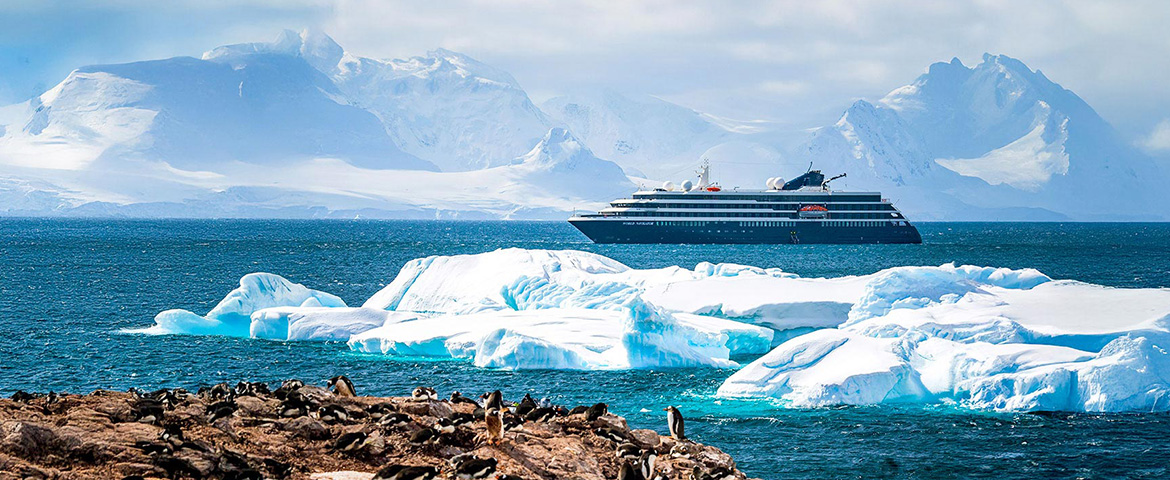
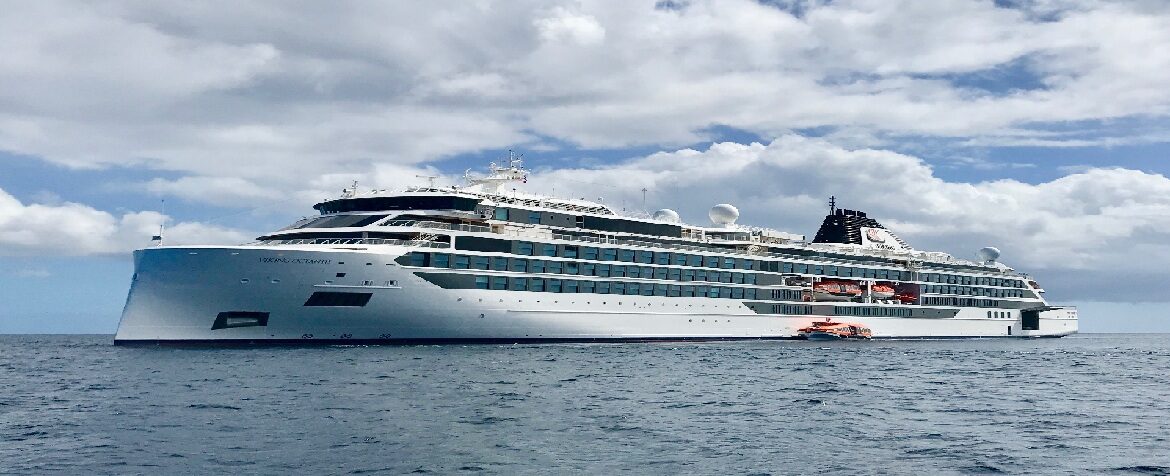
Viking Octantis.

Viking Octantis

634 Passengers
30150 tons
Visit the ship's page
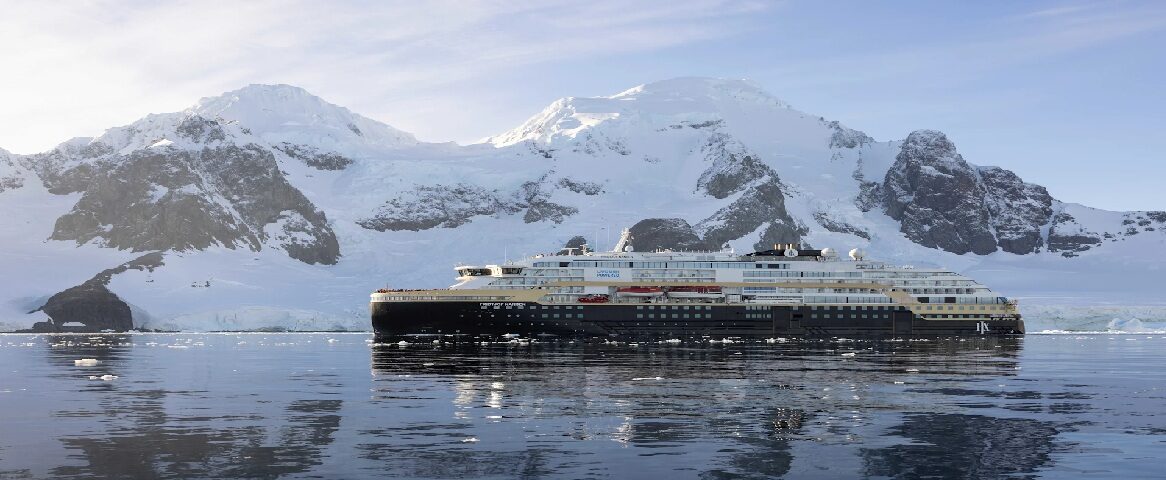
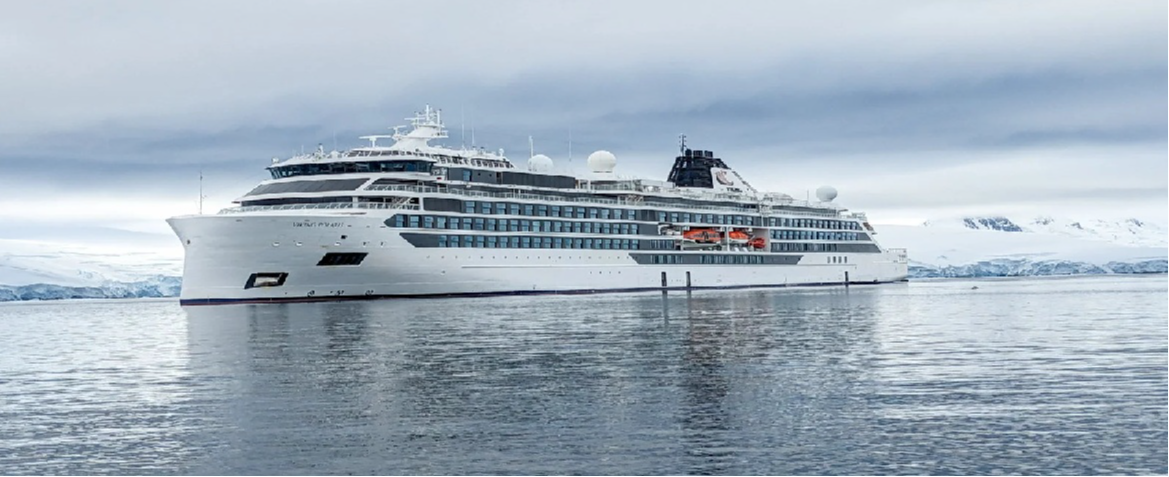
Viking Polaris.

Viking Polaris

634 Passengers
30150 tons
Visit the ship's page

Port of Uummannaq, Greenland | Cruise Port Guide

Long before arrival, passengers spot it from the deck: a twin-peaked mountain whose silhouette evokes a heart. It rises to 1,175 metres and gives the place its name, Uummannaq, "heart-shaped" in Greenlandic. At its foot, a town of brightly coloured houses clings to the granite, set on a small island at 70 degrees north latitude. Expedition ships drop anchor in the bay, often crowded with icebergs, and Zodiacs take visitors to the small fishing harbour.

A Far North community

Uummannaq is among the most endearing settlements in western Greenland. Fishermen land halibut and shrimp here, hunters still set off by dog sled on the sea ice when winter comes, and children play among rocks polished by glaciers. The sun doesn't set from late May to late July, giving summer calls a continuous light that is both disorienting and fascinating. Walking the steep lanes, greeting residents, watching the comings and goings of the harbour: the essence of the visit lies in this unstaged immersion. The slopes are real, though: bring good shoes and plan frequent breaks, which the scenery justifies effortlessly anyway.

The museum and the Qilakitsoq mummies

Housed in a former hospital, the local museum deserves some of your time. Its rooms tell of Arctic hunting, the life of polar expeditions and above all the discovery that made the region famous: the Qilakitsoq mummies. In 1972, two hunters stumbled upon, in a nearby rock shelter, the remarkably preserved remains of several Inuit women and children buried in the fifteenth century. Their skin clothing, intact after five centuries, yielded a wealth of information about life at the time. The museum displays faithful reproductions and tells this story with great respect.

Stone, sod and granite

Continuing the walk, you come across the stone church built in 1935, whose granite walls blend with the mountain above it. Nearby stand traditional sod houses, witnesses to the dwellings of old; one of them remained inhabited until 1980, a detail that shows how close the past remains here. These modest buildings, nestled among the rocks, make a touching contrast with the monumental icebergs drifting offshore.

The bay and its giants of ice

The Uummannaq Fjord is among the most spectacular in western Greenland. The glaciers feeding it produce massive icebergs, which sometimes run aground in front of the town and stay there for weeks. Even from the shore, the sight is enough: the blocks drift slowly, turning from white to turquoise depending on the light, and occasionally release a dull rumble that rolls across the water for a long time. Depending on the program, expeditions offer Zodiac outings right alongside these bluish walls, or a cruise to the Qilakitsoq archaeological site on the opposite shore. Every outing depends on the ice and the wind, the supreme variables of the Arctic.

The heart as you leave

When the ship weighs anchor, the mountain stays in view for a long time, rising above the houses like a lookout. Passengers remain on deck, unable to go inside until the silhouette has melted into the horizon. Uummannaq leaves a rare feeling: that of having touched a world both harsh and deeply human, where people have lived for generations in harmony with the ice. The place's name speaks true. This port of call lodges itself somewhere near the heart, and stays there.

Frequently Asked Questions

Expedition ships anchor in the bay, often crowded with icebergs, and Zodiacs run visitors to the small fishing harbour.
Because its twin summits suggest a heart. It rises to 1,175 metres and gives the place its name: Uummannaq means "heart-shaped" in Greenlandic. You spot it from the deck long before arriving.
Housed in a former hospital, it covers Arctic hunting, the era of polar expeditions and above all the Qilakitsoq mummies, of which it displays faithful reproductions.
The remarkably preserved remains of several Inuit women and children buried in the 15th century, found by chance in 1972 by two hunters in a nearby rock shelter. Their skin clothing, intact after five centuries, yielded a wealth of information about life at the time.
Yes, close to the stone church built in 1935. These traditional dwellings show how people once lived; one of them remained occupied until 1980, a reminder of how near the past still is here.
Yes, and it is often the main event. The glaciers feeding the fjord produce massive icebergs that sometimes ground in front of town and stay for weeks, turning from white to turquoise with the light.
Depending on the programme: Zodiac cruises alongside the blue ice walls, or a boat trip to the Qilakitsoq archaeological site across the water. Every outing depends on ice and wind.
The lanes are frankly steep. Bring good shoes and take frequent breaks — the scenery justifies them without any effort on your part.
No, from late May to late July. That continuous light is disorienting and captivating at once, and it completely changes the rhythm of a call.
Danish kroner are useful for craft work and small shops. As everywhere in Greenland, do not count on cards alone in a village this size.