Kalocsa Hungary
Hungary
181
Cruises availables
At departure or passage at this port
CroisiEurope (95 Cruises)
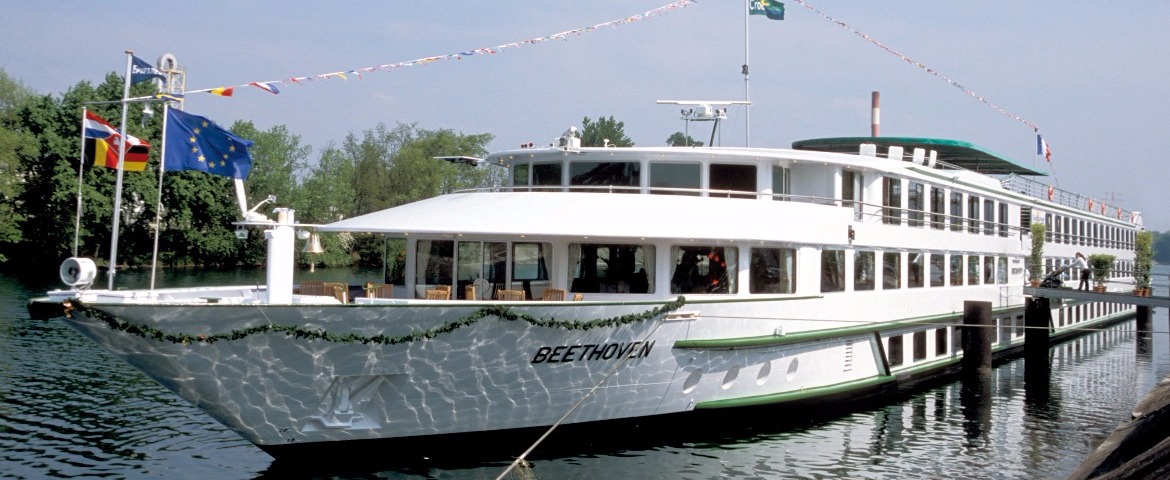
MS Beethoven
41 Cruises

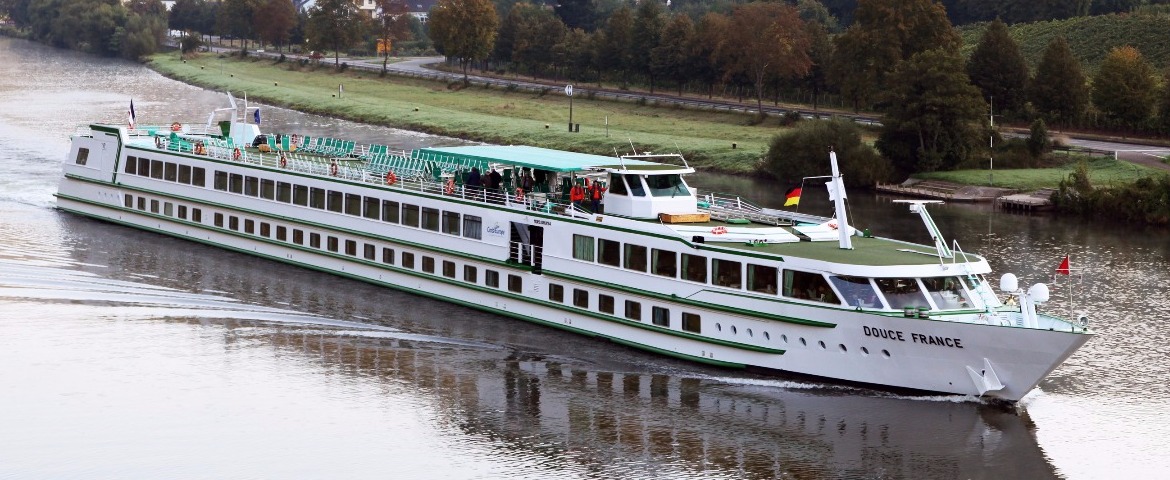
MS Douce France
14 Cruises
MS L'Europe
17 Cruises
 Image not available
| 6 June | 12 days | One-way from Oltenita to Vienna |
450-628-6241
Call us
|
| 6 June | 11 days | One-way from Oltenita to Vienna |
450-628-6241
Call us
|
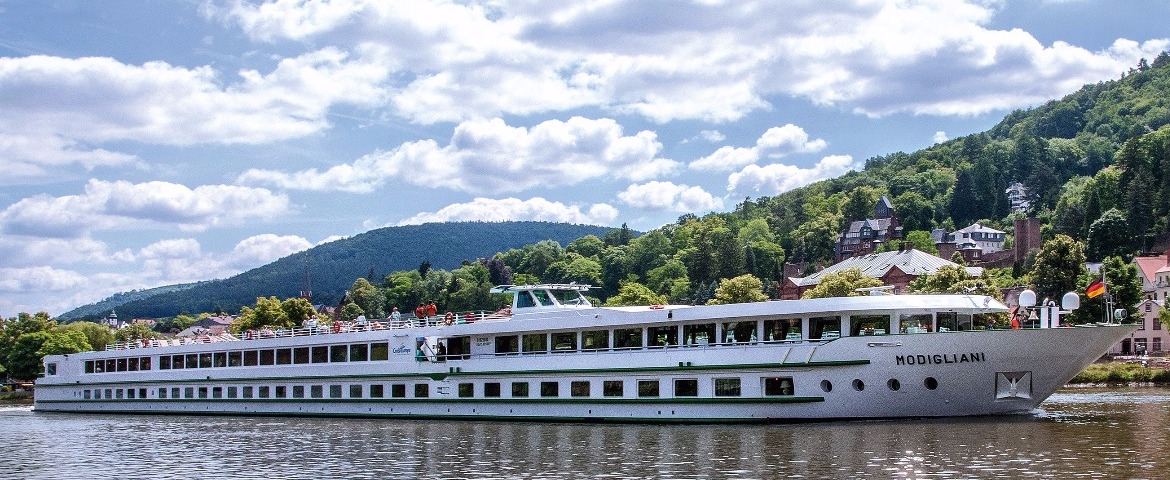
MS Modigliani
6 Cruises
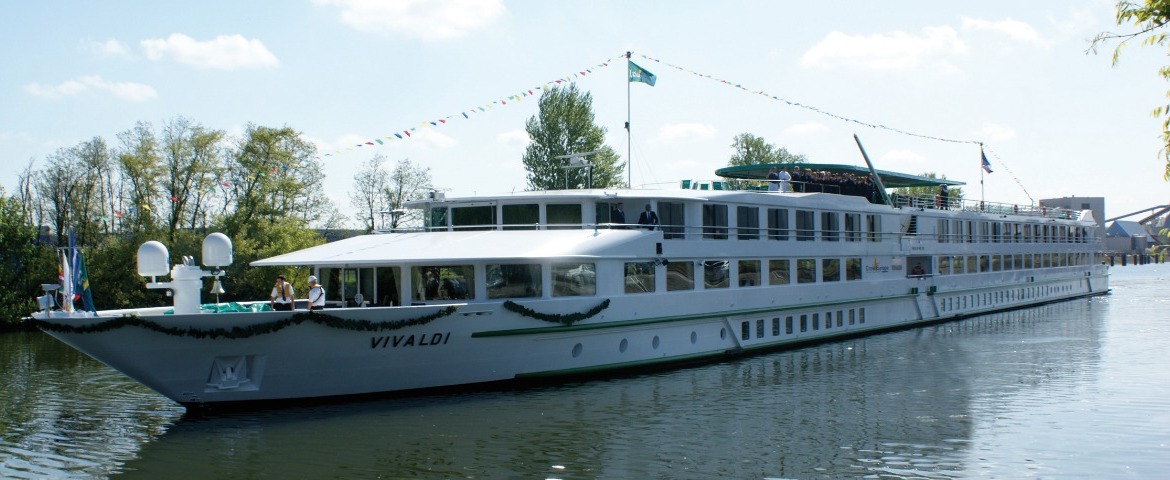
MS Vivaldi
17 Cruises
| 30 June | 12 days | One-way from Oltenita to Vienna |
450-628-6241
Call us
|
| 30 June | 11 days | One-way from Oltenita to Vienna |
450-628-6241
Call us
|
Riviera Travel (18 Cruises)
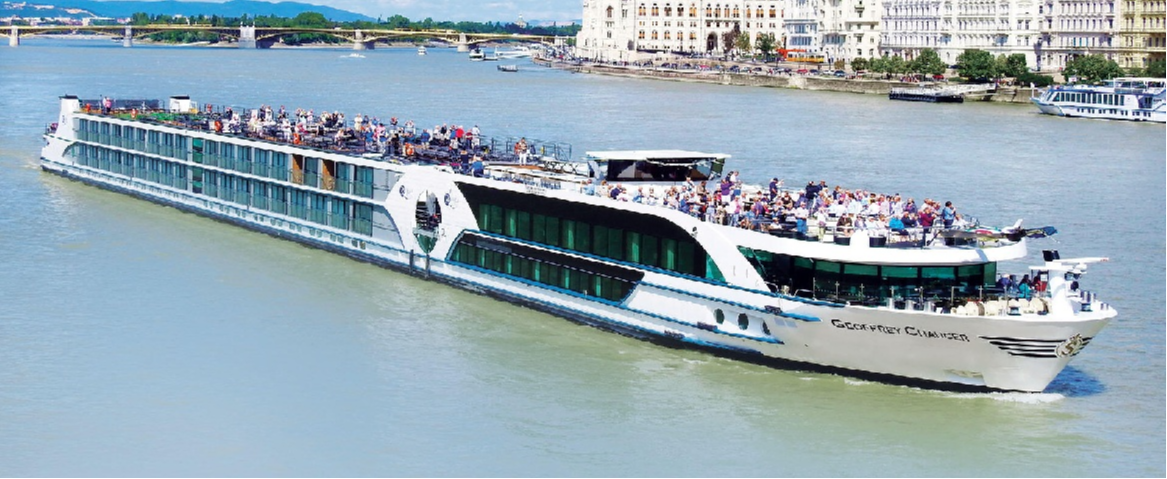
MS Geoffrey Chaucer
4 Cruises

MS Riviera Radiance
6 Cruises
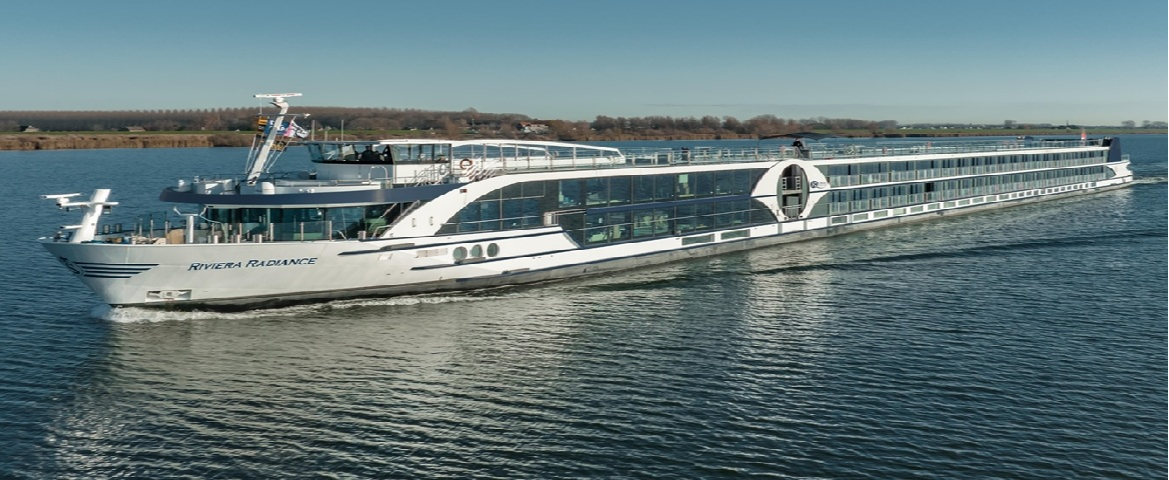
| 18 April | 14 days | Round-trip Budapest to the Black Sea River Cruise - MS Riviera Radiance |
450-628-6241
Call us
|
| 18 April | 15 days | Round-trip from Budapest, Hungary |
450-628-6241
Call us
|
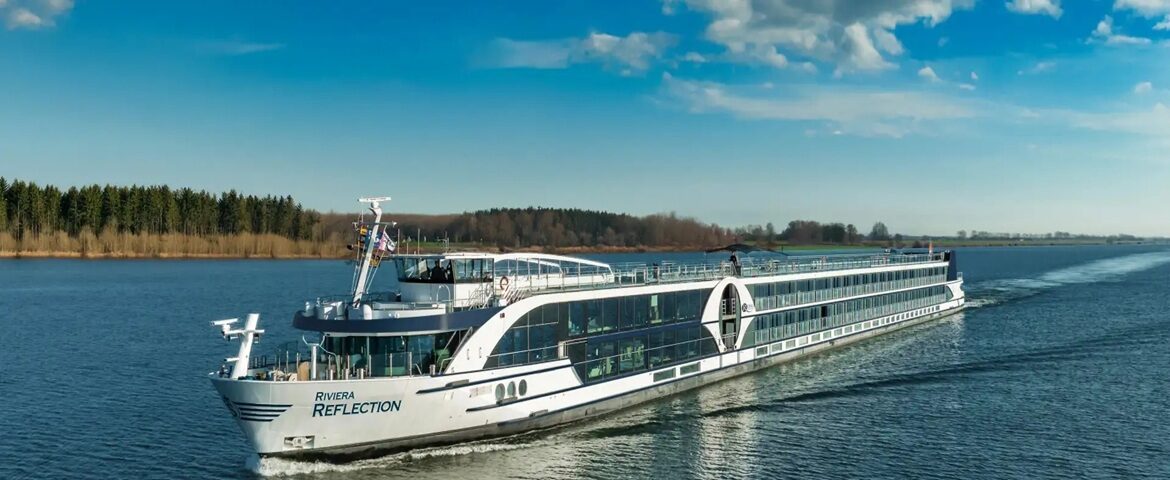
MS Riviera Reflection
4 Cruises
Viking River Cruises (68 Cruises)
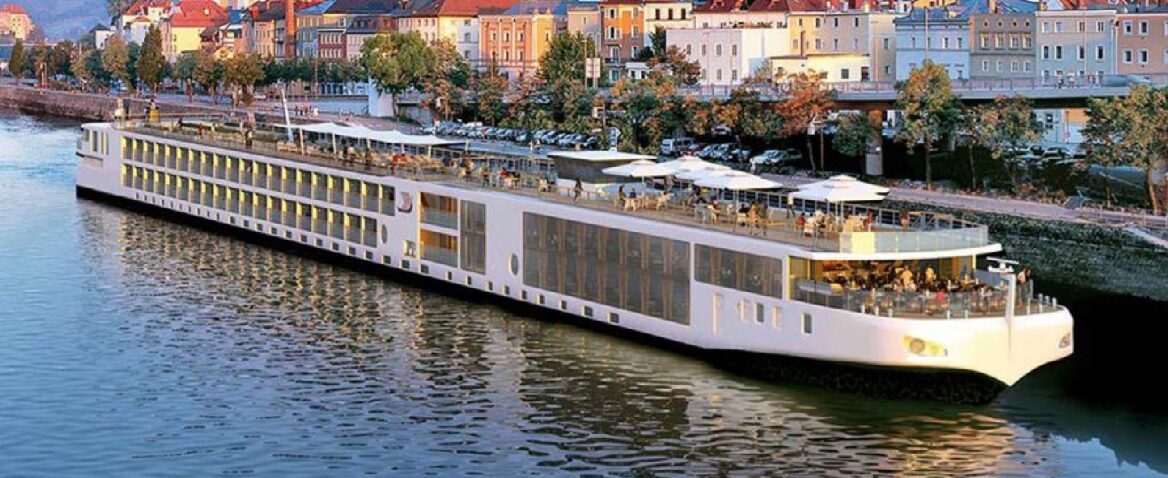

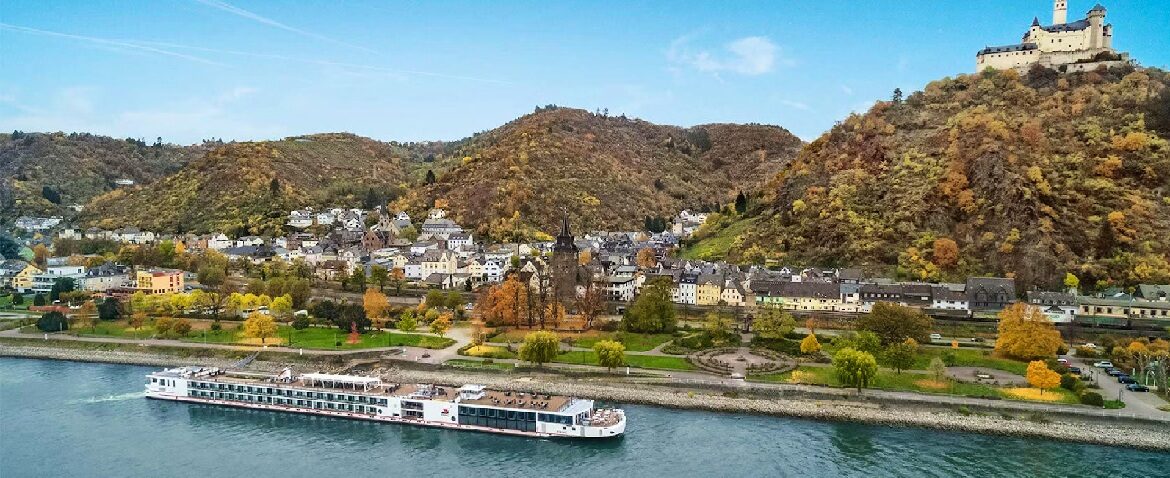
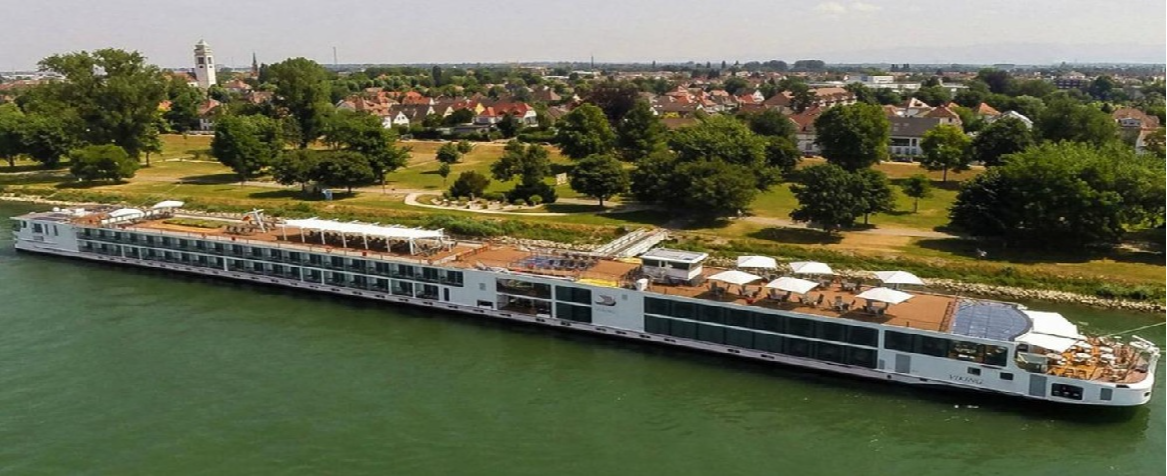
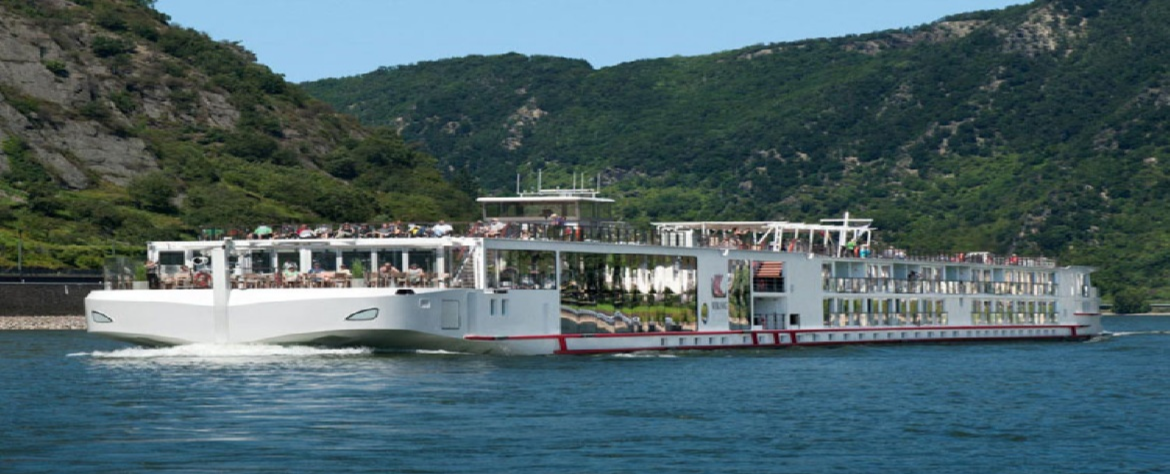
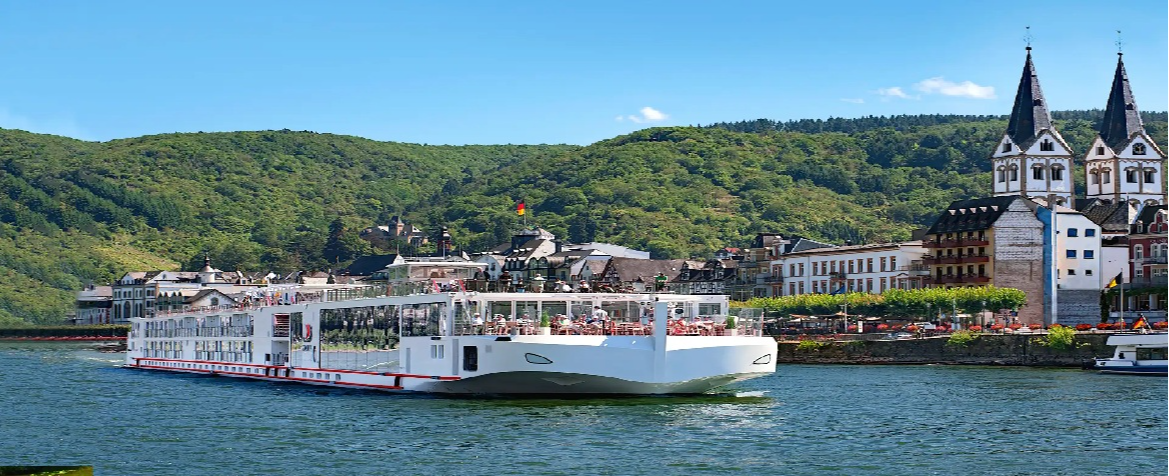
Viking Longships Lif
26 Cruises
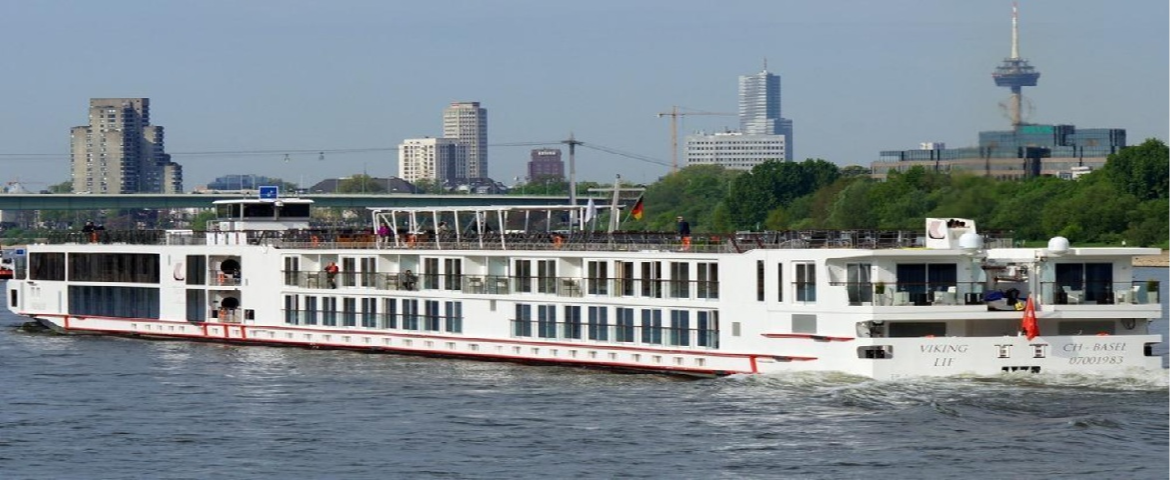
| 24 March | 8 days | One-way from Budapest to Bucharest |
450-628-6241
Call us
|
| 31 March | 8 days | One-way from Bucharest to Budapest |
450-628-6241
Call us
|
| 11 August | 22 days | One-way from Amsterdam to Bucharest |
450-628-6241
Call us
|
| 25 August | 8 days | One-way from Budapest to Bucharest |
450-628-6241
Call us
|
Viking Longships Vidar
20 Cruises
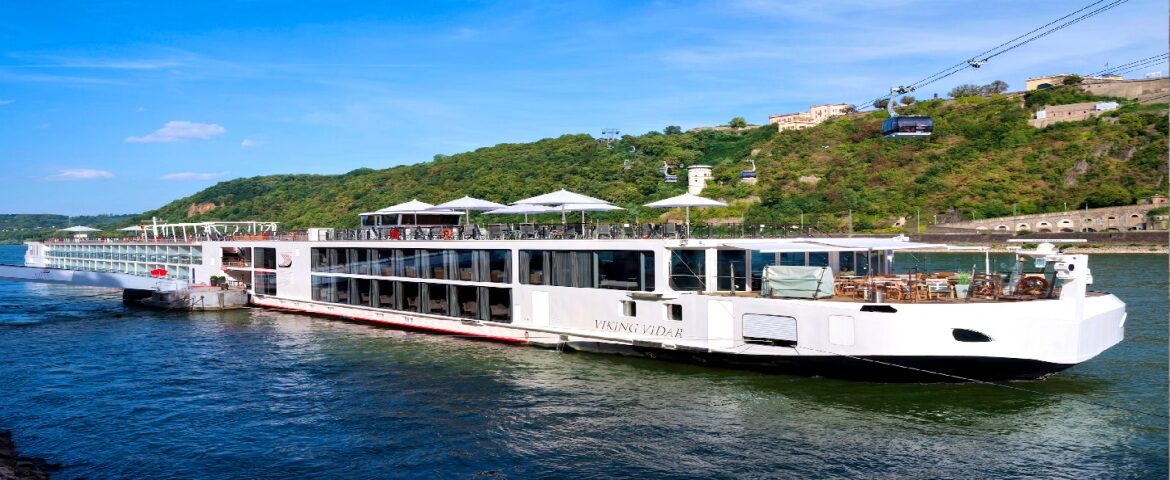
| 16 June | 22 days | One-way from Amsterdam to Bucharest |
450-628-6241
Call us
|
| 30 June | 8 days | One-way from Budapest to Bucharest |
450-628-6241
Call us
|

Kalocsa | Cruise Port Guide
Frequently Asked Questions
About seven kilometres from the centre: a short coach transfer takes passengers into the town, set in a plain so flat that steeples are visible for miles.
Because the pepper is grown in the surrounding countryside, dried in bright red garlands on house façades and milled locally. Kalocsa paprika has a reputation that reaches far beyond Hungary.
How a pepper from the Americas became the soul of Hungarian cooking: the varieties, the stone mills, the cloth sacks, and the work of families who each autumn strung the fruit into garlands and hung them on the walls.
Off the heat, never scorched. Local cooks repeat it with a smile: it is the secret of keeping the colour and the aroma intact.
The baroque cathedral, rebuilt in the 18th century after the Ottoman destruction, and the archbishops' palace, with its frescoed state room, a library of tens of thousands of old volumes and a replica of the Hungarian royal crown. Kalocsa received its archbishopric in the time of King Stephen, around the year 1000.
Multicoloured flower motifs that the women of the region have painted for generations on walls, furniture and porcelain. The museum in a peasant house shows interiors flowered from floor to ceiling, along with embroidery using the same bouquets of roses, tulips and cornflowers.
Yes, many calls include an outing to the nearby puszta, where the csikós crack their whips, ride standing on two horses in the old postal style and send their teams galloping through the dust. It is about thirty minutes from the cathedral town.
A quiet morning covers the cathedral, the archbishops' palace and the museums, all walkable across squares shaded by lime trees. The puszta outing fills the rest of the day.
Paprika powder, sweet to hot, sold in embroidered pouches in the town shops, and tablecloths or festive costumes in the region's flowered patterns.
The Hungarian forint. Bring cash for the small shops and the markets in the centre.


