Djupavik Iceland, Westfjords
15
Cruises availables
At departure or passage at this port
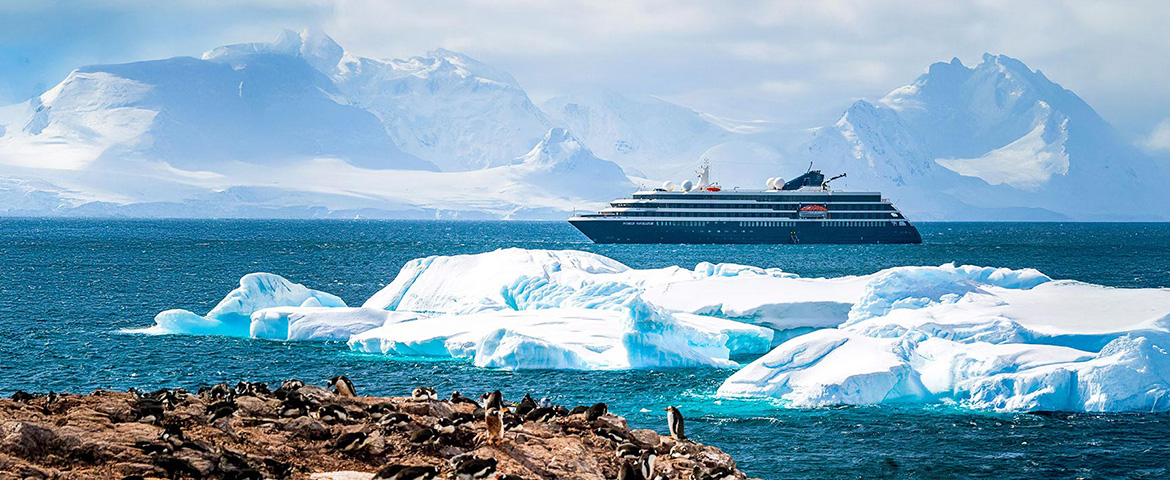
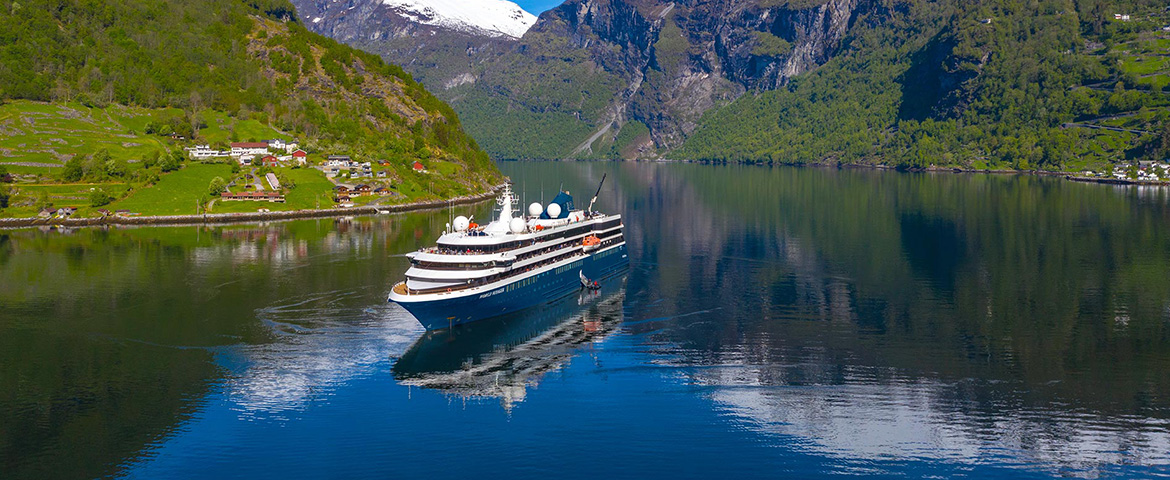
Atlas Ocean Voyages (6 Cruises)

Lindblad Expeditions (6 Cruises)
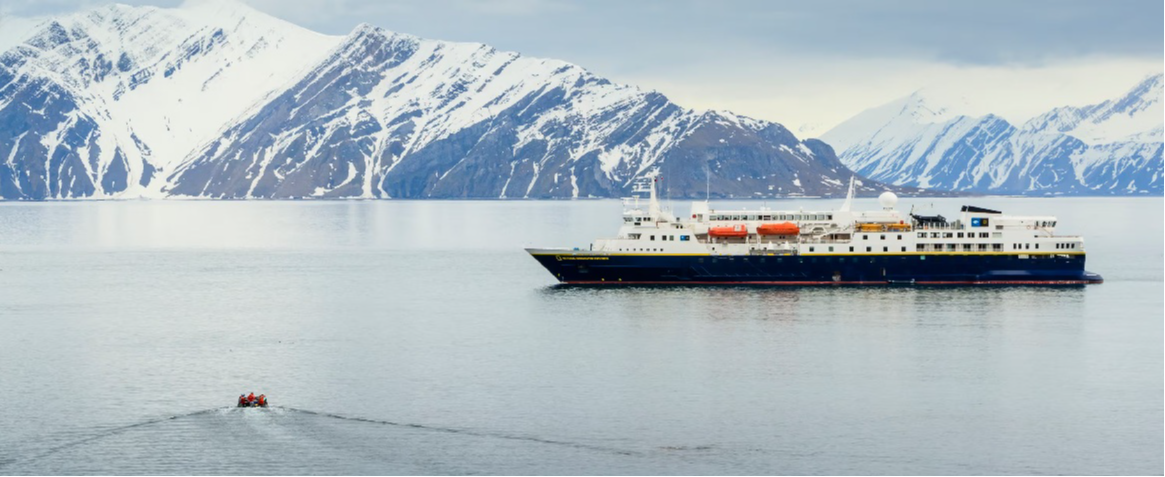
National Geographic Explorer
6 Cruises

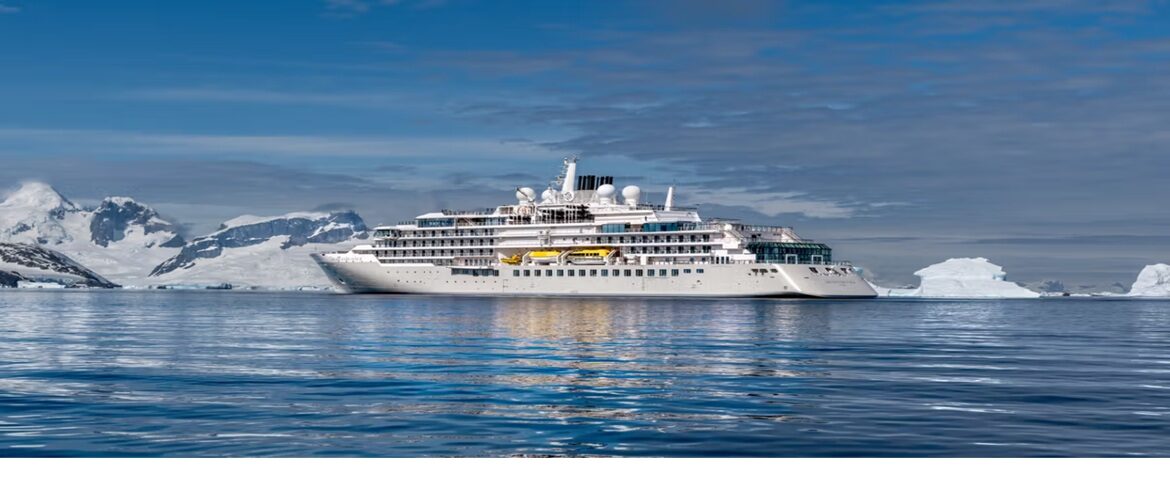
Silversea Cruises (3 Cruises)

Frequently Asked Questions
By Zodiac. Expedition ships anchor in Reykjarfjörður and the boats land passengers at a small jetty right in front of the old factory. There is no cruise berth and no main road to the hamlet.
It is the former herring factory, 90 metres long, backed against a mountain streaked with waterfalls. Built in 1934 by investors from the Westfjords, it was the largest concrete building in Iceland and one of the first fully automated fish plants in Europe.
Because the herring shoals left the coast. The plant shut in 1954, barely twenty years after it was built, following a few summers in which hundreds of seasonal workers kept this remote fjord alive.
Yes, and it is the heart of the call. You walk through vast halls with broken windows, past rusting vats, frozen machinery and shafts of light. Contemporary art and photography exhibitions occupy part of the space in summer, and guided tours tell the story of this maritime venture in detail.
Three things, all a few minutes' walk away. The rusted wreck beached on the shore for decades, which photographers find hard to leave. The path climbing to the waterfall behind the buildings, from which the whole hamlet comes into view. And the hotel, for a coffee.
Yes, exactly one: the hotel set up in the former women workers' dormitory. An Icelandic couple bought the abandoned site in 1984 and turned it into a small hotel furnished with period photographs. Stop for a coffee, a slice of rhubarb cake or lamb soup. It is the only table in the fjord.
A handful. Djúpavík amounts to a few houses, an abandoned factory and a silence broken only by the wind. The surrounding Strandir coast is among the least populated regions of Iceland: scattered farms, beaches piled with driftwood carried from Siberia, and tracks that snow closes for part of the year.
Warm and waterproof clothing, even in high summer. Sturdy shoes matter: the ground around the plant and the waterfall path are uneven. Bring a little patience too — this is a place to absorb rather than tick off.
Only moderately. A derelict factory full of rusting machinery fascinates some young visitors and leaves others cold, and the site requires staying with the group: uneven floors, broken glass, old structures. There is no beach, no shop and nothing designed for them.
A sense of how fragile human ventures are against nature, and how stubborn those who still choose to live here can be. The isolation that killed the industrial project is now the place's value: it draws travellers looking for somewhere mass tourism cannot reach.


