Ostiglia Italy

49 Cruises availables At departure or passage at this port

CroisiEurope (49 Cruises)

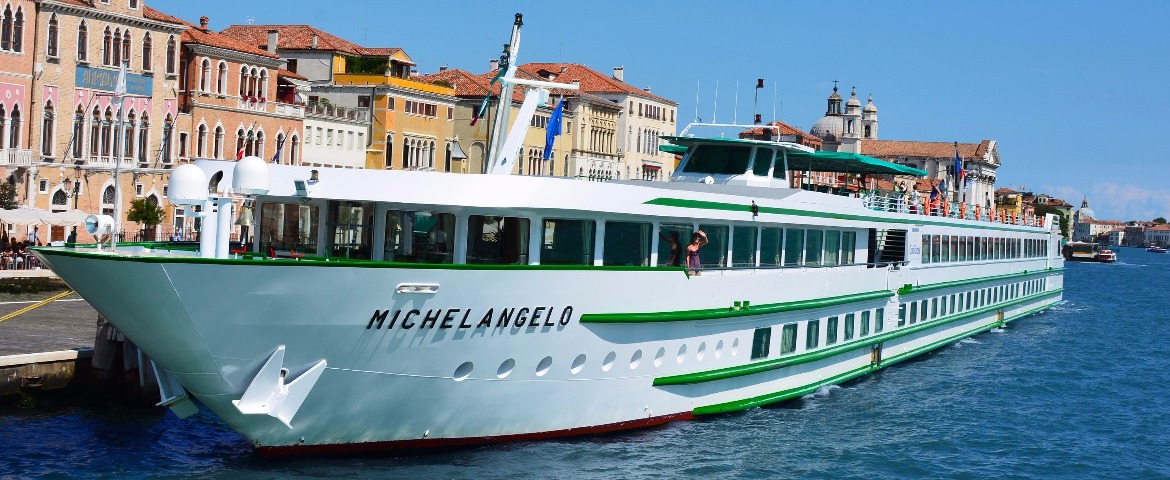
Cruise CE Croisieurope MS Michelangelo ship

MS Michelangelo

150 Passengers
Visit the ship's page

Ostiglia Italy | Po River & Lombardy River Cruise Guide

The Po flows wide and tranquil here, between dikes planted with poplars where herons stand guard. Ostiglia appears around a bend: a bell tower, tiled roofs and a modest quay where the river boats linking Venice and Mantua regularly stop. This small Lombard town of about 7,000 inhabitants appears in no tourist rankings, and that is precisely what makes the stop interesting: here you touch the Italy of the river, agricultural and hard-working, the one that has fed the Po plain since Roman times.

Hostilia, daughter of Rome

Beneath its discreet appearance, Ostiglia has a considerable past. The Roman town of Hostilia, an active river port on the route between Verona and the delta, was already shipping grain and goods on the river two thousand years ago. The writer Cornelius Nepos, biographer and friend of Cicero, is said to have been born nearby. The small civic museum preserves remains from this period, and a few streets in the centre still follow the ancient grid. It was also from Hostilia that the Via Claudia Augusta set out northward, an imperial road that reached the Danube and whose route now delights long-distance cyclists.

The centre, between porticoes and slow coffee

A walk through the old core takes an unhurried hour: the main square and its arcades, the parish church, the pink brick palazzi and the shops where people go in as much to chat as to buy. The town prides itself on an unexpected distinction: it was here that Arnoldo Mondadori founded, in 1907, the publishing house that became the largest in Italy. A plaque and the memory of the printing presses recall that this farming town helped an entire country to read.

The marshes, a bird refuge

On the edge of town lies the Paludi di Ostiglia nature reserve, a protected wetland that extends the Busatello oasis. Reed beds, canals and flooded meadows host about 175 bird species, from the Eurasian bittern to the purple heron, as well as pond turtles and frogs. Boardwalks and observation posts allow for a silent walk with binoculars — a pleasant counterpoint after the art cities of the itinerary. Early in the morning or at the end of the day, when the mist clings to the reeds, the place takes on the air of a miniature delta.

Mantua, the essential excursion

Most river cruises take advantage of the port call to bring their passengers to Mantua, about thirty kilometres away. Surrounded by three lakes formed by the Mincio, the city of the Gonzagas concentrates a UNESCO World Heritage–listed legacy: the immense Palazzo Ducale and the Camera degli Sposi painted by Mantegna, the Palazzo Te and its frescoes by Giulio Romano, and medieval squares that follow one another like open-air drawing rooms. Half a day goes by very quickly, and tours generally leave free time around Piazza delle Erbe and its 11th-century Romanesque rotunda.

At the table, river cuisine

The region eats rich and well: tortelli di zucca (pumpkin ravioli with a sweet-and-savoury note), risotto alla pilota, braised meats and, for dessert, sbrisolona, which crumbles under your fingers. Light, sparkling Mantuan Lambrusco wines accompany it all. The trattorias in town and the surrounding area serve this cuisine without fuss, at country prices. Vialone nano rice, grown in the paddies on the nearby Veronese bank, goes into most of the risottos served at the table.

As the boat picks up the current again, the poplars file past once more and the bell towers of the plain answer each other from one bank to the other. Ostiglia will have offered what the big destinations can no longer give: time, silence and the sense of having seen Italy from the inside, the Italy that has always lived with its river.

Frequently Asked Questions

At a modest river quay on the Po, right on the edge of town. Ostiglia is a river cruise call, not a seaport: you step ashore at the foot of poplar-lined dikes, a few minutes from the centre.
Yes, entirely. The old core takes about an hour at an unhurried pace: the arcaded square, the parish church, the pink brick palaces and the shops along the main street.
Most passengers head for Mantua, about 30 km away. If you stay put, allow an hour for the town and its civic museum, then spend the rest at the Paludi di Ostiglia nature reserve and its birdwatching hides.
Yes — it is the reason most itineraries stop here. The Gonzaga city, a UNESCO World Heritage site, offers the Palazzo Ducale with Mantegna's Camera degli Sposi, the Palazzo Te with Giulio Romano's frescoes, and a chain of medieval squares. Half a day goes by very quickly.
A protected wetland reserve on the edge of town, extending the Busatello oasis. Reed beds, canals and flooded meadows host around 175 bird species, from bittern to purple heron. Boardwalks and hides make for a quiet walk with binoculars.
Few monuments, but a genuine past. Ostiglia is the Roman Hostilia, a river port on the route between Verona and the delta; the small civic museum holds the remains. It is also where Arnoldo Mondadori founded in 1907 what became Italy's largest publishing house. If you want masterpieces, go to Mantua.
The euro. Cards work in most shops, but a town this size still has cafés and vendors who prefer cash. Keep a few notes on hand.
Italian, with a Lombard dialect among locals. English is not widely spoken outside organized tours: excursion guides handle translation, but in town shops expect gestures and goodwill.
April to June and September to October. Spring and autumn suit birdwatching in the marshes best, and the Po plain turns heavy and humid at the height of summer. Autumn morning mist gives the landscape its finest look.
River-country cooking, generous and unfussy: tortelli di zucca (pumpkin ravioli with a sweet-savoury note), risotto alla pilota made with vialone nano rice, braised meats, and sbrisolona cake that crumbles in your fingers. Light, faintly sparkling Mantuan Lambrusco goes with all of it.