Porto Ercole Italy

23 Cruises availables At departure or passage at this port

Porto Ercole Tuscany | Mediterranean Coast Cruise Guide

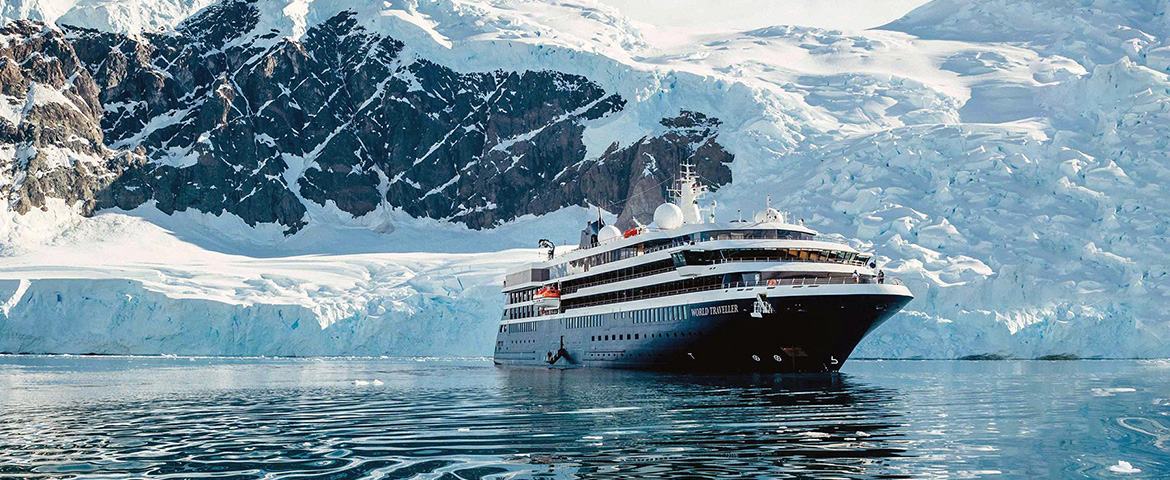
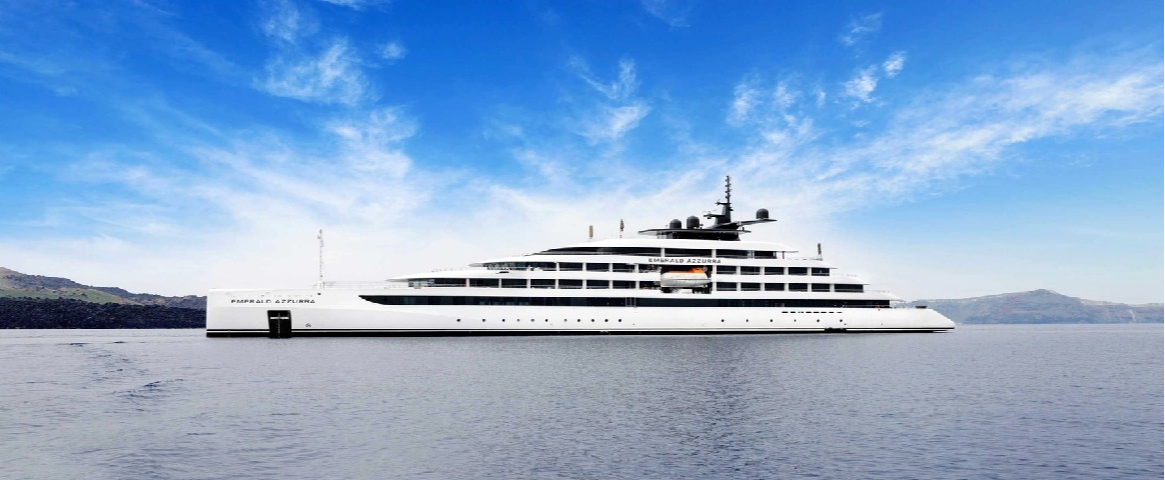
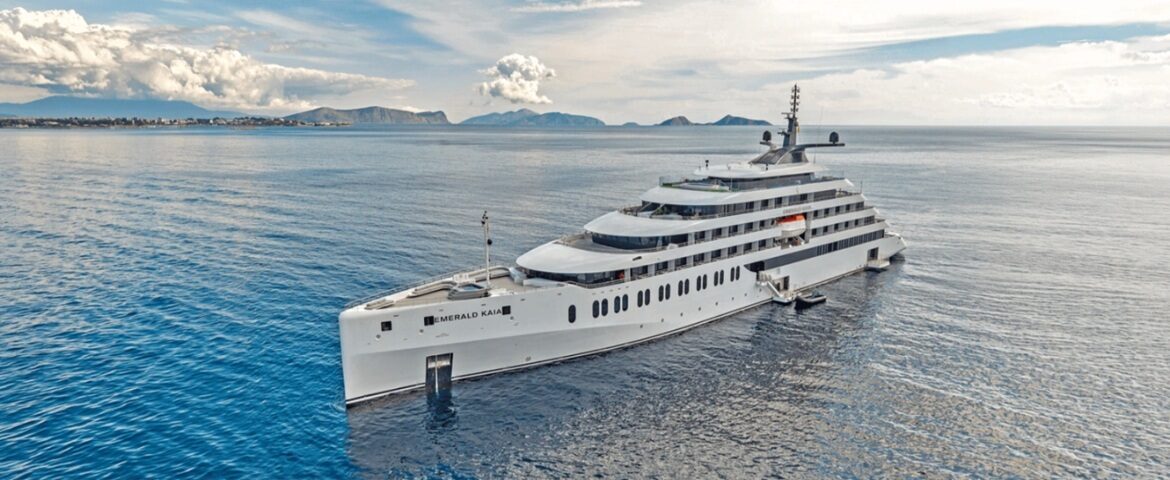
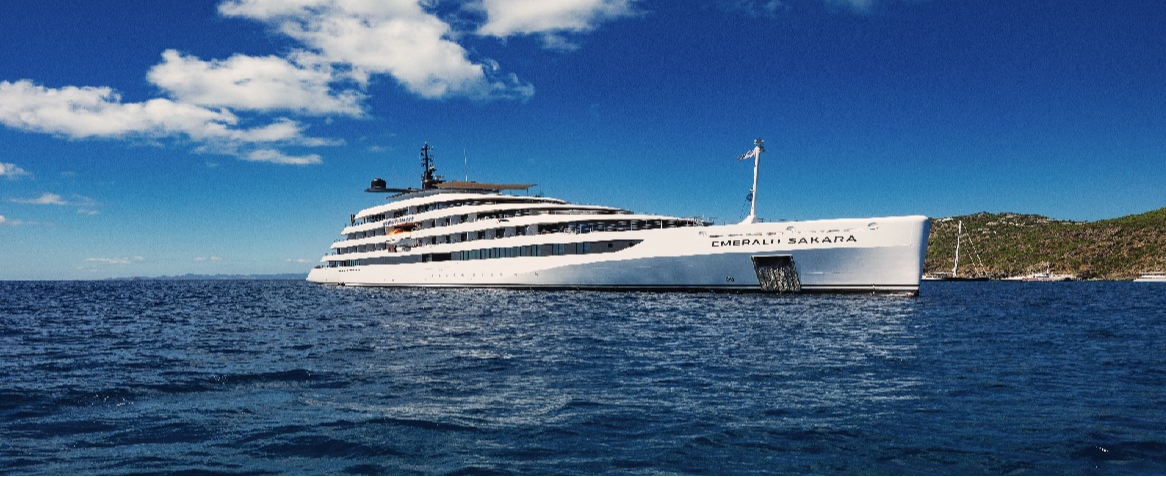
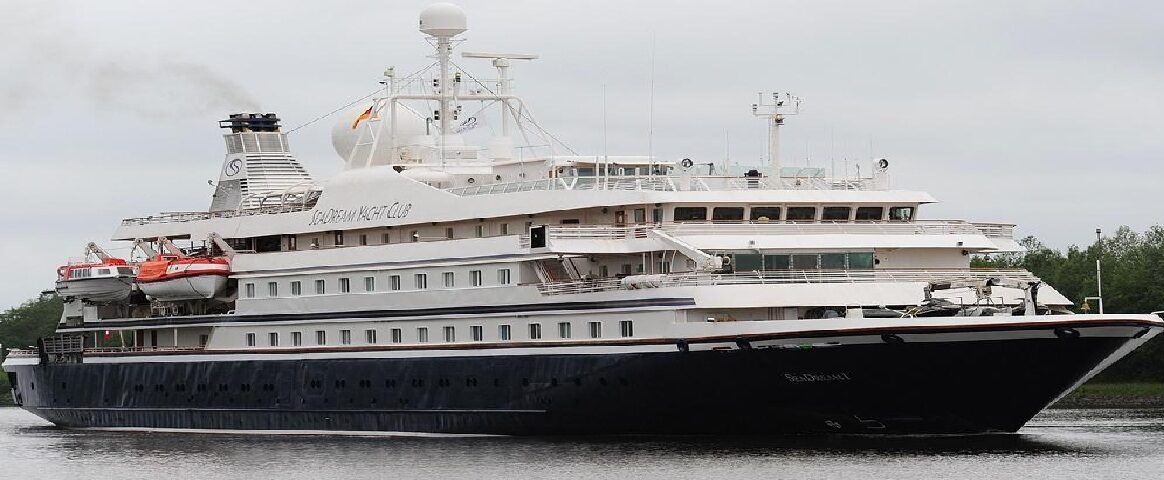
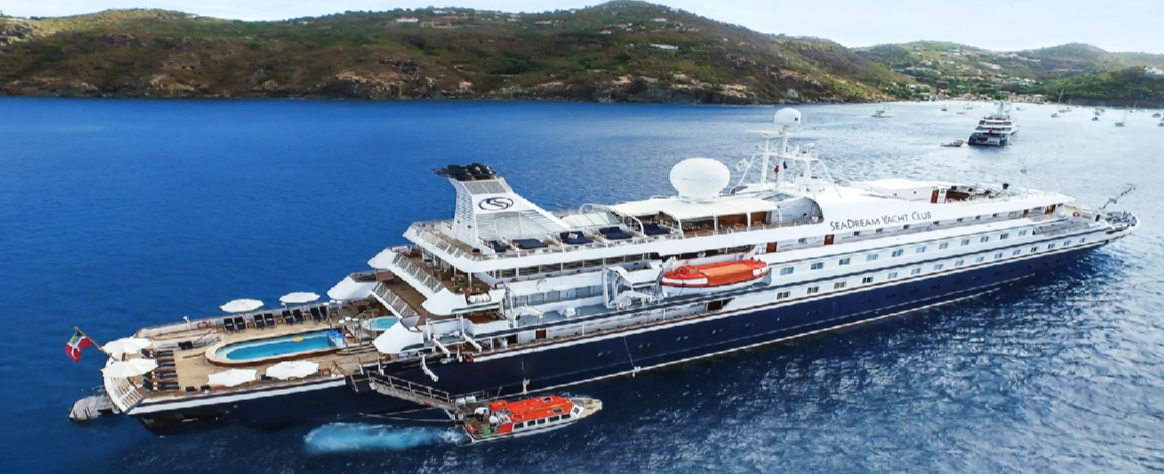
It was in this village that Caravaggio died. In July 1610, the most tormented painter of his century, on the run and ill, landed on this shore of the Tuscan Maremma only to die here at 38, in circumstances that still fuel historians' theories. Porto Ercole has not forgotten, but does not boast about it too much: clinging to the eastern side of the Monte Argentario promontory, this fishing village, ranked among the most beautiful villages in Italy, prefers discretion. Ships, most often modestly sized, anchor in the bay and bring their passengers ashore by tender, facing the waterfront.

From the quay to the old upper town

The landing opens onto the harbour of fishermen and yachters, lined with terraces where the night's fish is being prepared. From there, a fortified gate and stepped lanes climb toward the old borgo. The climb, short but steady, rewards you with little squares suspended above the rooftops, laundry in the windows and glimpses of the harbour where your ship rocks at anchor. Little traffic, cats in the windows and voices carrying from one balcony to the next: village life goes on here as if tourism did not exist. The parish church of Sant'Erasmo, dedicated to the patron saint of sailors, preserves the memory of Caravaggio, whose burial place has been the subject of research in the area.

The Spanish fortresses

In the 16th century, Porto Ercole became one of the strongholds of the State of the Presidi, a Spanish outpost on the Tuscan coast. Remarkable military works from this period survive, crowning the heights: the Rocca Aldobrandesca above the village, Fort Filippo, built in 1558 by order of Philip II, and the perfectly star-shaped Fort Stella. A walk of about thirty minutes leads to the area around Fort Filippo, from where the panorama takes in the Tyrrhenian Sea, the island of Giglio and the long green spit of the Feniglia. These bastions tell a little-known story: for two centuries, this coast was a frontier between empires.

The Feniglia, a forest between two seas

At the foot of the village begins the Feniglia tombolo, a 6-kilometre strip of sand covered in umbrella pines that links the Argentario to the mainland. The nature reserve protecting it can be explored on foot or by bike, along a shaded path where fallow deer can sometimes be glimpsed among the trunks. On one side, the Orbetello lagoon, where flamingos and waders fish in a few centimetres of water; on the other, a long, even beach that invites a swim. For a few hours in port, a twenty-minute walk under the pines followed by a dip is all you need for happiness.

The Maremma table

Back to the waterfront at mealtime: spaghetti with clams, fried fish from the gulf or caldaro, the local fishermen's fish soup, accompanied by an Ansonica white grown on the slopes of the Argentario. Portions are generous and the welcome unpretentious: you eat here as in a family home. The gelaterias on the quay provide dessert, to be savoured while watching the boats come in one by one.

Raising anchor

Returning to the ship, your gaze climbs one last time from the harbour to the Rocca and the forts. Porto Ercole packs into a few hectares everything that makes maritime Tuscany so charming: Spanish military stonework, fishermen's lanes, the pine forest and the sea. Caravaggio was looking for a boat to Rome here; today's traveller leaves with the feeling of having stumbled upon a secret the coast jealously guards.

Frequently Asked Questions

Ships, usually smaller ones, anchor in the bay and tender passengers ashore opposite the waterfront. Like any tendered call, it depends on sea conditions and can be cancelled.
Yes, entirely — but it climbs. The landing gives onto the fishing basin; from there a fortified gate and stepped lanes rise to the old borgo. The climb is short but steady: wear comfortable shoes.
The upper village and a fort in the morning, the Feniglia in the afternoon. Allow about thirty minutes on foot to reach the approaches of Forte Filippo, where the view takes in the Tyrrhenian Sea, the island of Giglio and the long green spit of the Feniglia.
Yes. In July 1610 the painter, on the run and ill, came ashore on this Tuscan Maremma coast and died there at 38, in circumstances historians still debate. The parish church of Sant'Erasmo keeps his memory, and searches for his burial have been carried out in the area. Do not expect a mausoleum: the village does not trade on it.
Remnants of the State of the Presidi, Spain's 16th-century foothold on the Tuscan coast. Three works crown the heights: the Rocca Aldobrandesca above the village, Forte Filippo built in 1558 on the orders of Philip II, and the perfectly star-shaped Forte Stella. For two centuries this coast was a frontier between empires.
A 6 km sand spit covered in umbrella pines that links the Argentario to the mainland, protected as a nature reserve. The shaded track can be walked or cycled, and fallow deer sometimes appear between the trunks. On one side the Orbetello lagoon and its flamingos, on the other an even beach.
Yes. The Feniglia beach is about twenty minutes' walk under the pines from the foot of the village. For a few hours ashore, a walk and a swim make a perfectly good day.
Maremma cooking, served without ceremony: spaghetti with clams, fried fish from the gulf, or caldaro, the local fishermen's fish soup. An Ansonica white grown on the slopes of the Argentario goes with it, and the gelaterias on the quay handle dessert.
The euro and Italian. Cards work in waterfront restaurants, but keep cash for gelato and small shops in the borgo. English is fine in season, rarer up in the lanes.
The waterfront, yes; the upper village, no. Stepped lanes and the paths to the forts rule out wheelchairs and make walking difficult for anyone unsteady. The harbour promenade and its terraces remain fully accessible, and the view from the quay is already fine.