Amami Oshima Island Japan Naze, Kagoshima
18
Cruises availables
At departure or passage at this port
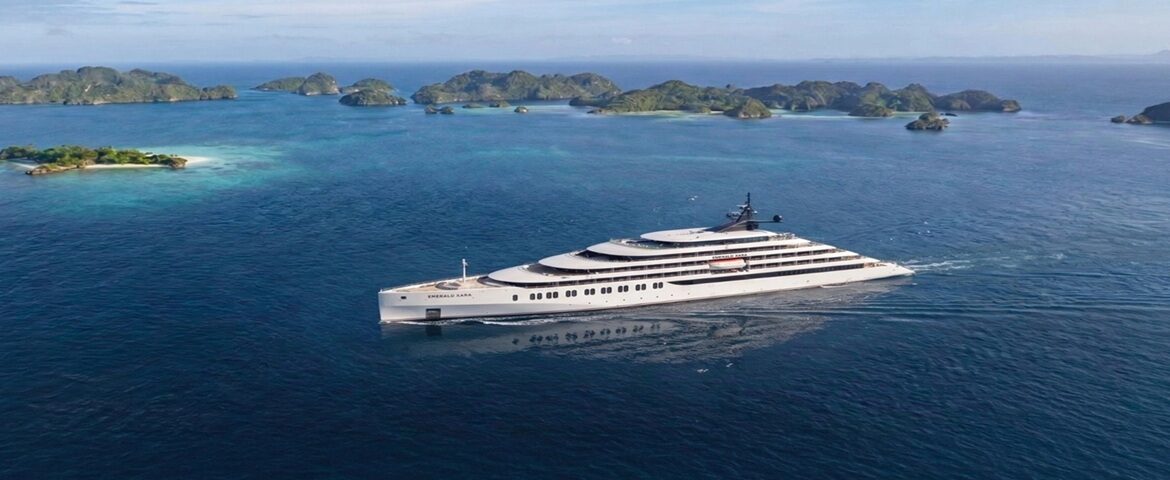
Emerald Waterways (1 Cruises)

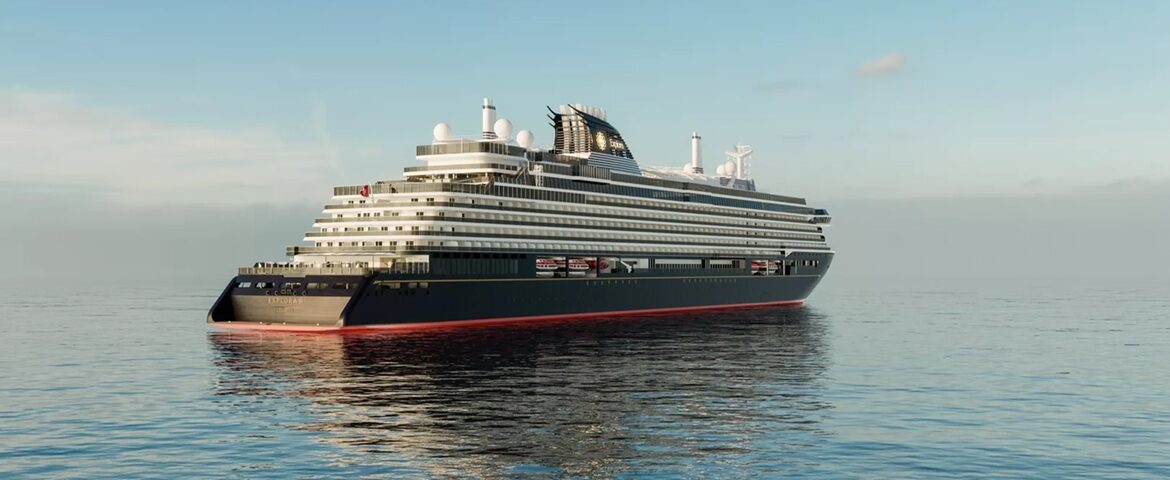
Explora Journeys (4 Cruises)

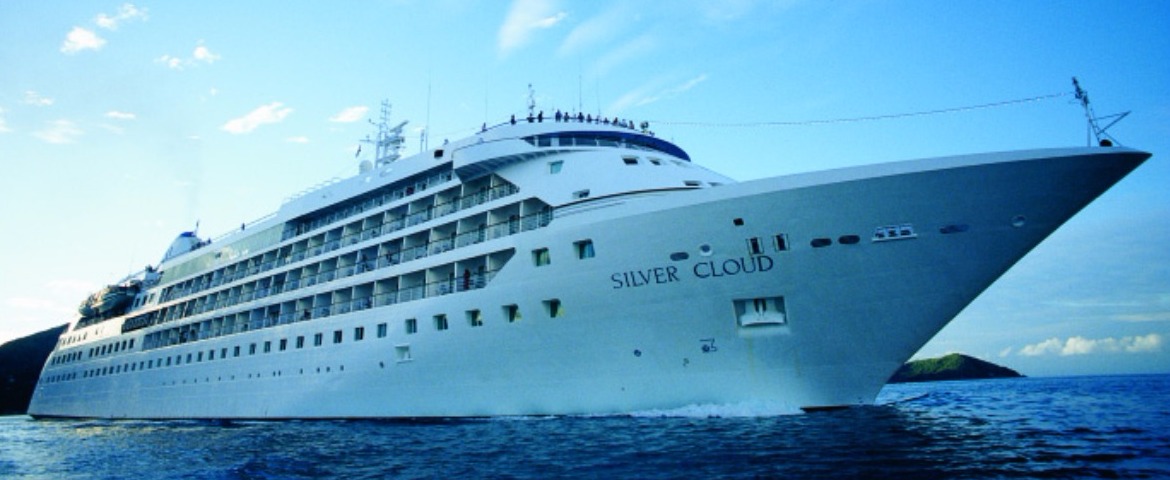
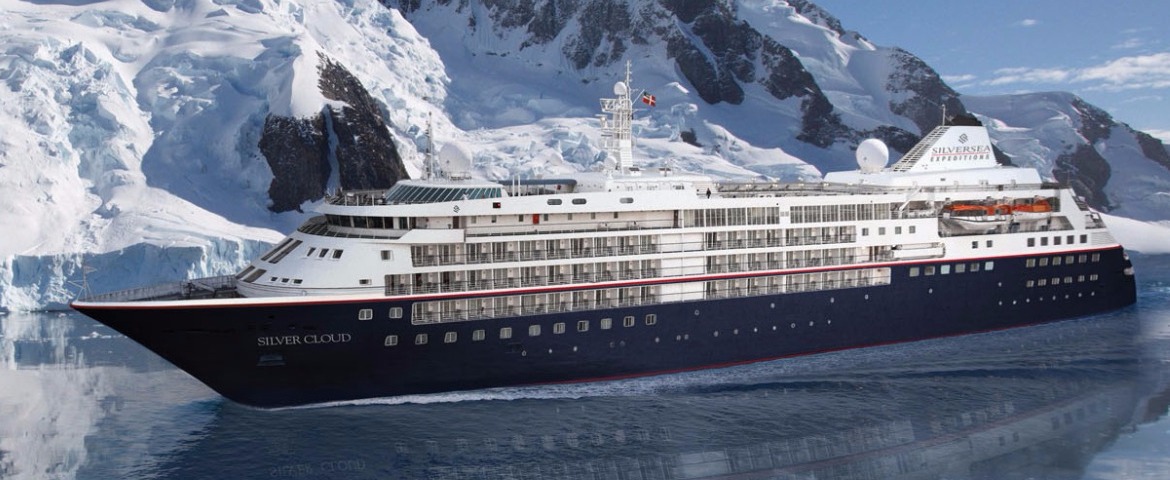
Silversea Cruises (13 Cruises)

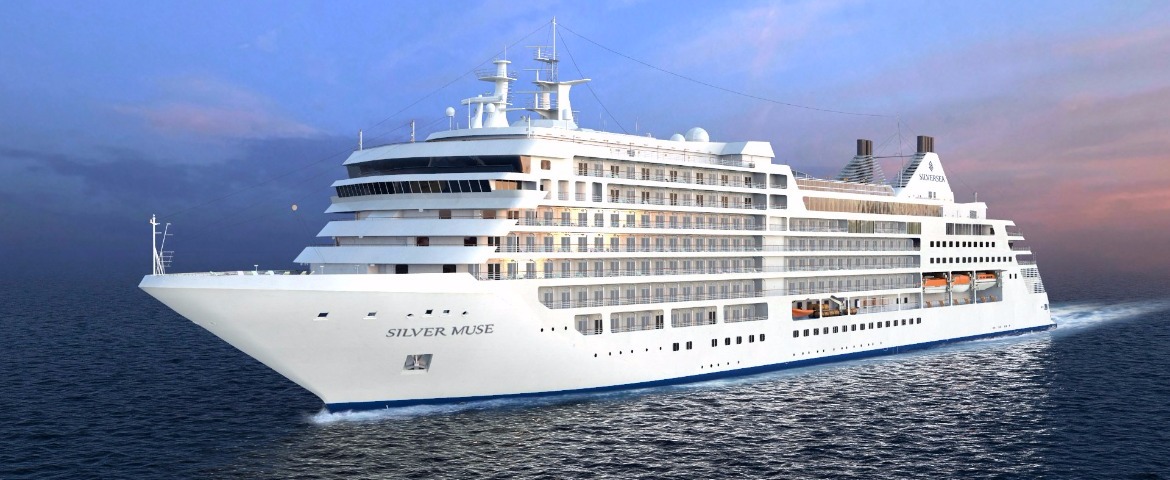
Silver Muse
7 Cruises
| 21 June | 25 days | Round-trip from Tokyo, Japan |
450-628-6241
Call us
|
| 21 June | 13 days | Round-trip from Tokyo, Japan |
450-628-6241
Call us
|
| 15 July | 13 days | Round-trip from Tokyo, Japan |
450-628-6241
Call us
|
| 15 July | 25 days | Round-trip from Tokyo, Japan |
450-628-6241
Call us
|
Amami Oshima, Japan | Cruise Port Guide
Frequently Asked Questions
At Naze port on the island's northwest coast, a good fifteen minutes' walk from the centre. Shuttles are often offered, but walking sets the tone: modest shops, covered arcades, izakayas already preparing lunch.
In the Ryukyu archipelago, between Kyushu and Okinawa. The island was inscribed on the UNESCO World Natural Heritage list in 2021 for its subtropical forests. Its rhythm resembles neither Kyushu's nor Okinawa's.
Canoeing through the mangrove forest of Kuroshio Park, Japan's second largest, half an hour south by road. You paddle between mangroves whose roots form tunnels at water level. Guides adapt the route to the tide, which reshapes the maze twice a day.
A silk woven on the island for centuries, among the finest in Japan. Its distinction lies in the dyeing: threads are steeped in a bark decoction, then worked in the iron-rich mud of the rice paddies, giving a black with brown undertones that cannot be imitated. Workshops open their doors to passengers.
Yes, at Ohama Beach Park, a short drive from Naze: pale sand, clear water and coral within reach of confident swimmers. It is the simplest option for an unstructured afternoon.
One outing, not two. The mangrove takes a half-day including the drive; Ohama beach or a tsumugi workshop combined with a wander through Naze takes about the same. Trying to fit it all in means spending the day in a vehicle.
Keihan, a festival dish turned everyday: shredded chicken, fragrant broth and condiments poured over rice. To take home, kokuto, the brown cane sugar boiled into blocks, and the shochu distilled from it, an Amami islands exclusive.
Yes, it sits halfway between the port and the centre and shows the island as it lives: brightly coloured reef fish, fruit from local orchards. Nothing there was built for cruise passengers, which is precisely the point.
No, almost certainly not. It is a nocturnal species found nowhere else and rarely spotted even by residents. Its protection counted as much as the forests in the UNESCO listing.
The Japanese yen, and Japanese. English is not widely spoken on the island, including in the shops of central Naze. Bring cash, especially for the covered market and small workshops.


