Itsukushima Island Japan Miyajima, Hiroshima
42
Cruises availables
At departure or passage at this port
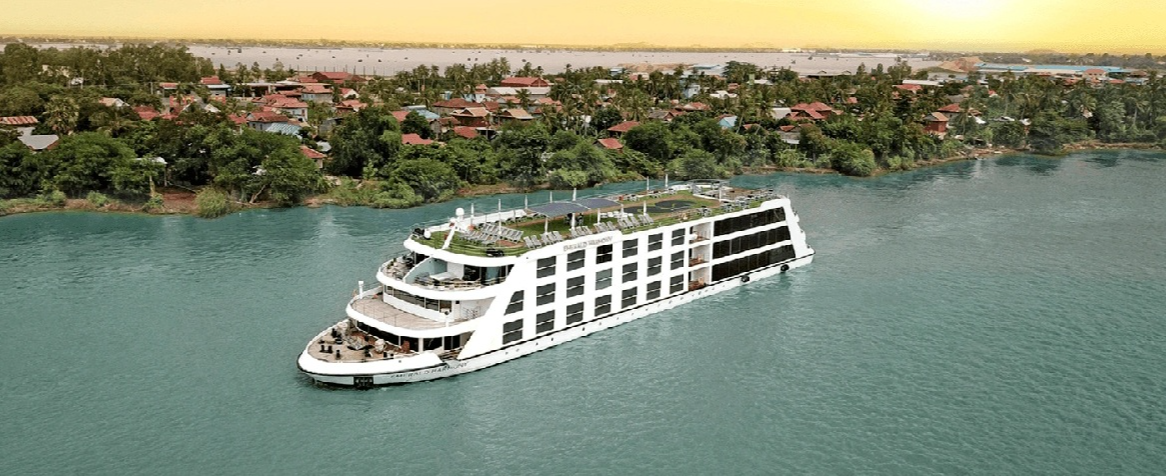
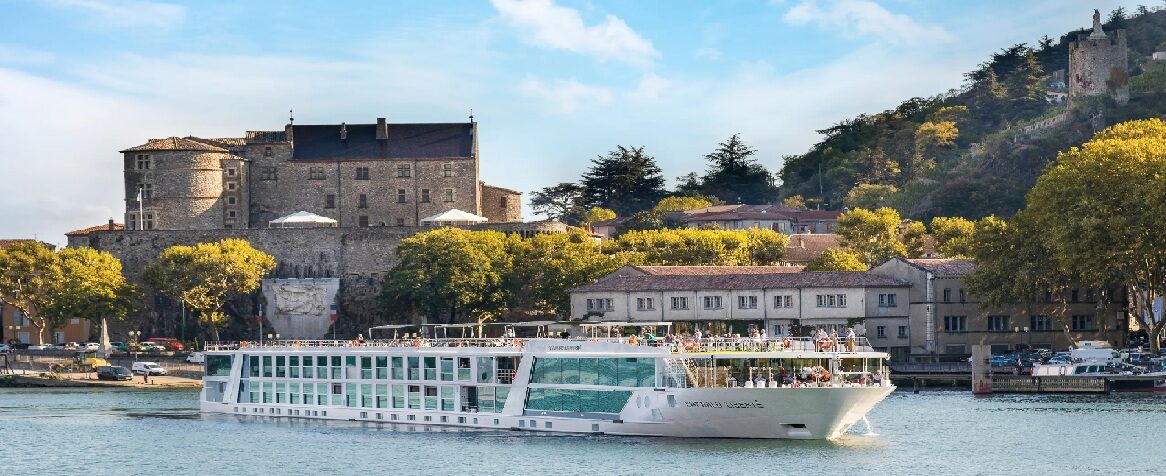
Emerald Waterways (4 Cruises)

Lindblad Expeditions (12 Cruises)
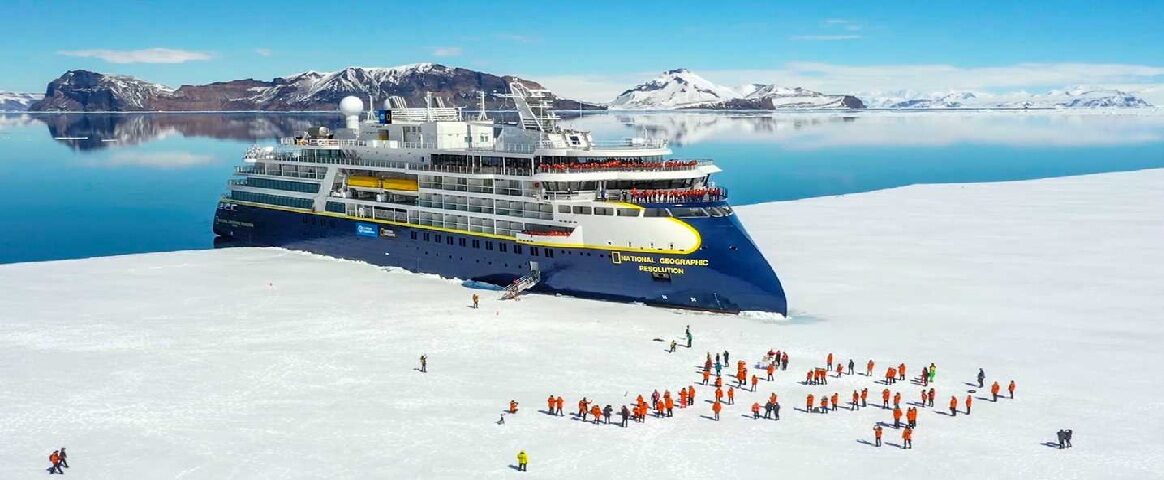
National Geographic Resolution
12 Cruises

Ponant (16 Cruises)
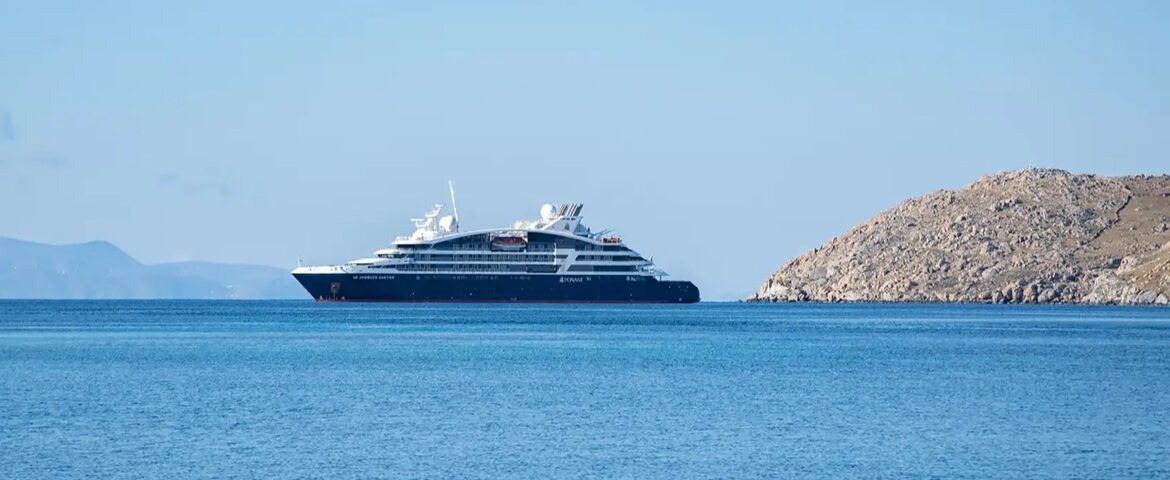
Le Jacques Cartier
6 Cruises

Le Soleal
10 Cruises
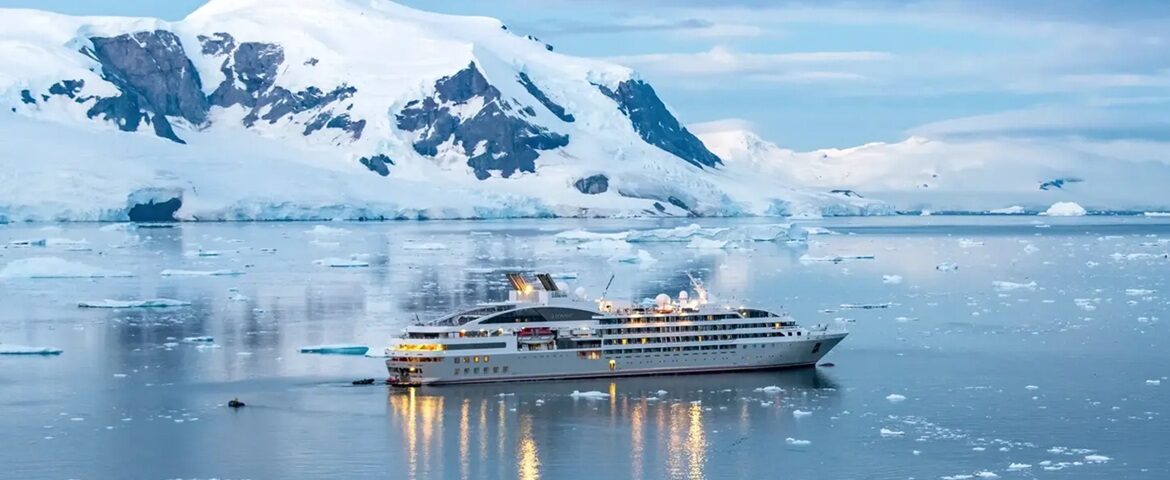
| 14 March | 13 days | One-way from Kobe-Osaka to Busan |
450-628-6241
Call us
|
| 26 March | 13 days | One-way from Busan to Kobe-Osaka |
450-628-6241
Call us
|
Scenic Cruises (8 Cruises)
Scenic Spirit
8 Cruises


| 21 March | 27 days | One-way from Hakata-Fukuoka City to Siem Reap |
450-628-6241
Call us
|
| 21 March | 26 days | One-way from Hakata-Fukuoka City to Siem Reap |
450-628-6241
Call us
|
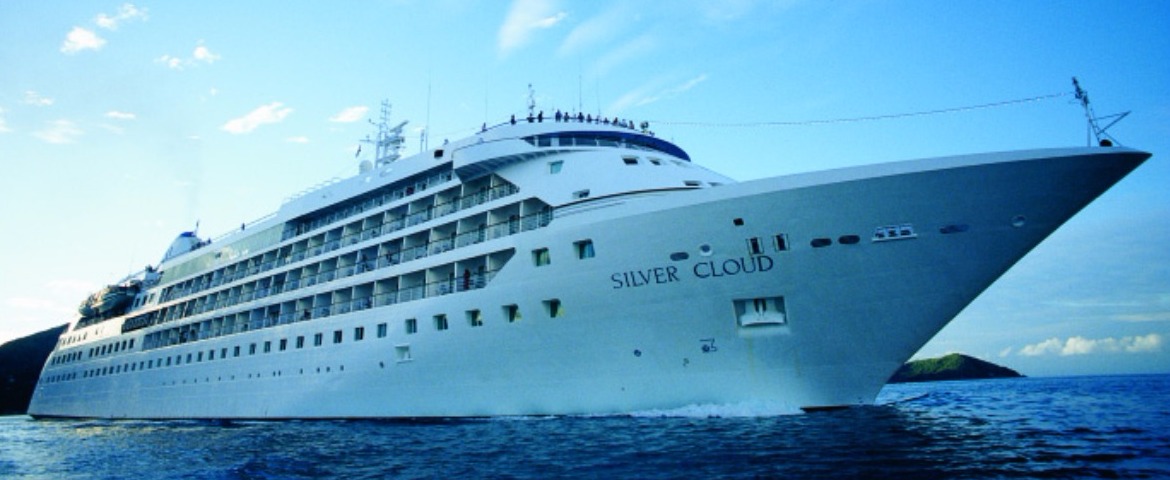
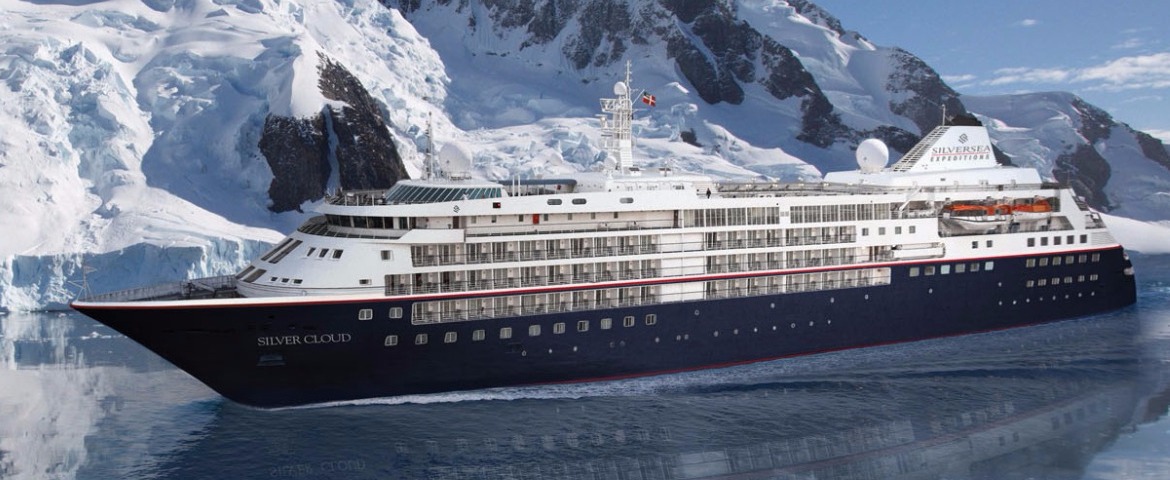
Silversea Cruises (2 Cruises)

Miyajima (Itsukushima) | Cruise Port Guide
Frequently Asked Questions
By ferry from Miyajimaguchi, a crossing of about ten minutes, when the ship calls at Hiroshima. A few small ships anchor off the island itself. From the Ujina terminal, a fast boat also reaches the island in about twenty minutes.
Because the tide decides the spectacle. At high tide the great vermilion torii appears to float on the Seto Inland Sea; at low tide the water withdraws and you walk to its base across wet sand. The times are posted at the ferry landing.
A Shinto shrine built on stilts above the water, inscribed on the UNESCO World Heritage list since 1996. Its red-lacquered galleries, its noh stage facing the sea and its bronze lanterns are best walked slowly, with views carefully framed on the torii.
A half-day for the shrine, Omotesando street and the Senjokaku pavilion. Only add Mount Misen if the call leaves at least five hours on the island: the round trip takes about two hours, and people almost always linger.
Yes, right at the ferry landing. Sika deer wander freely and take a keen interest in paper bags. Keep food out of reach: they are as charming as they are opportunistic, and an unattended momiji manju vanishes fast.
Grilled oysters, the specialty of Hiroshima bay, eaten standing and scalding between two stalls. And momiji manju, small maple-leaf-shaped cakes baked in front of passers-by in the shops along the street.
The hall of a thousand tatami, commissioned by Toyotomi Hideyoshi in the late sixteenth century and never finished. Its vast open timber frame offers one of the island's finest pauses: weathered wooden floor, cool air, a view down over the village's grey roofs. A five-storey pagoda stands beside it.
Yes if time allows. A ropeway rises toward this 535-metre summit, but the final stretch is on foot along a real trail. The reward spreads from horizon to horizon: the inland sea dotted with islands, tiny cargo ships, Hiroshima in the haze.
A shakushi, the wooden rice paddle the island has made its specialty for two centuries. It is a modest, useful and thoroughly local souvenir, made in the workshops along the shopping street.
November for the blazing maples of Momijidani park, or spring for the mildness. Summer is hot and humid, and the island is very busy then. Daisho-in temple at the foot of the mountain stays quiet year-round, with its hundreds of small statues in knitted caps.


