Remich Luxembourg
Luxembourg
70
Cruises availables
At departure or passage at this port
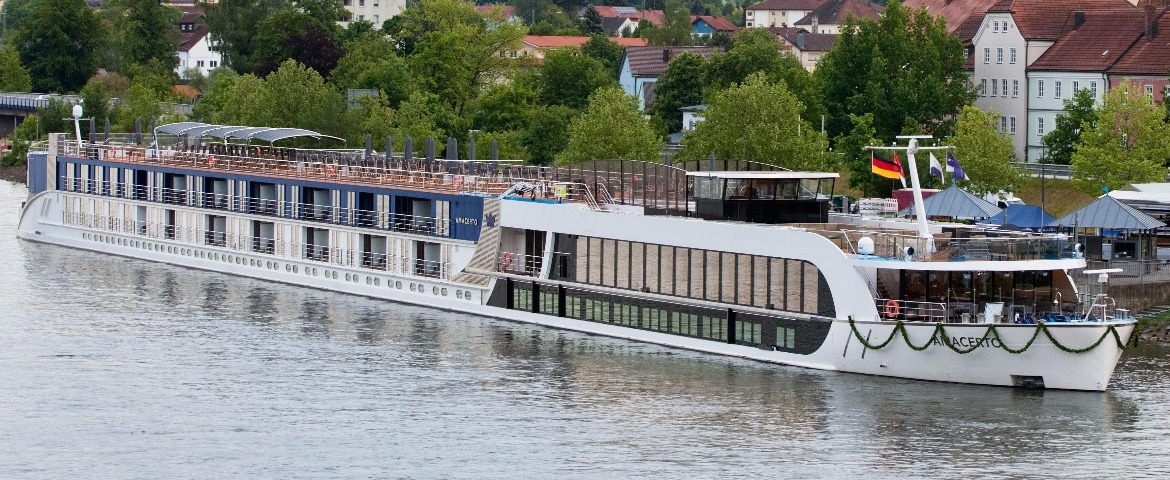

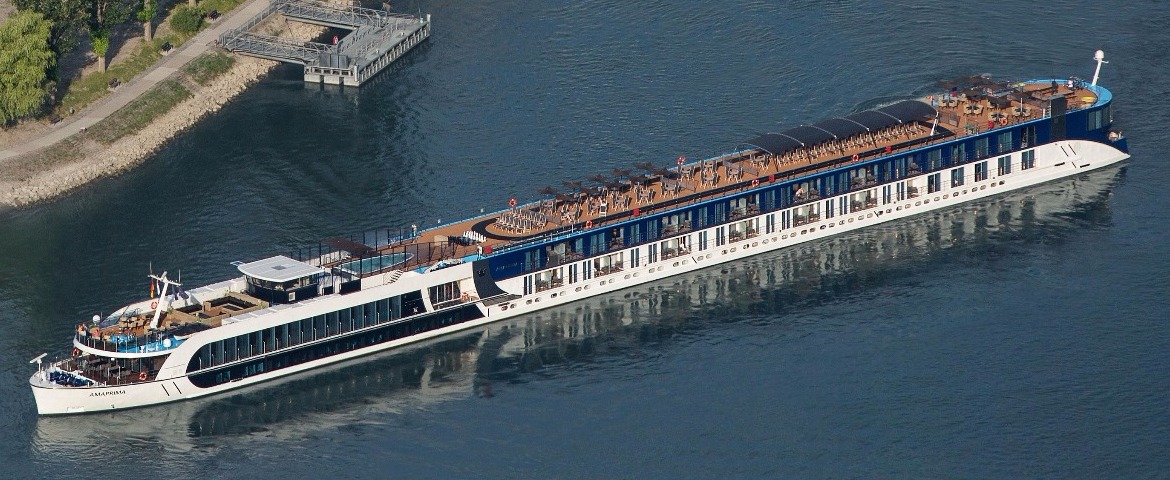
Avalon Waterways (24 Cruises)
Avalon Tranquility II®
24 Cruises
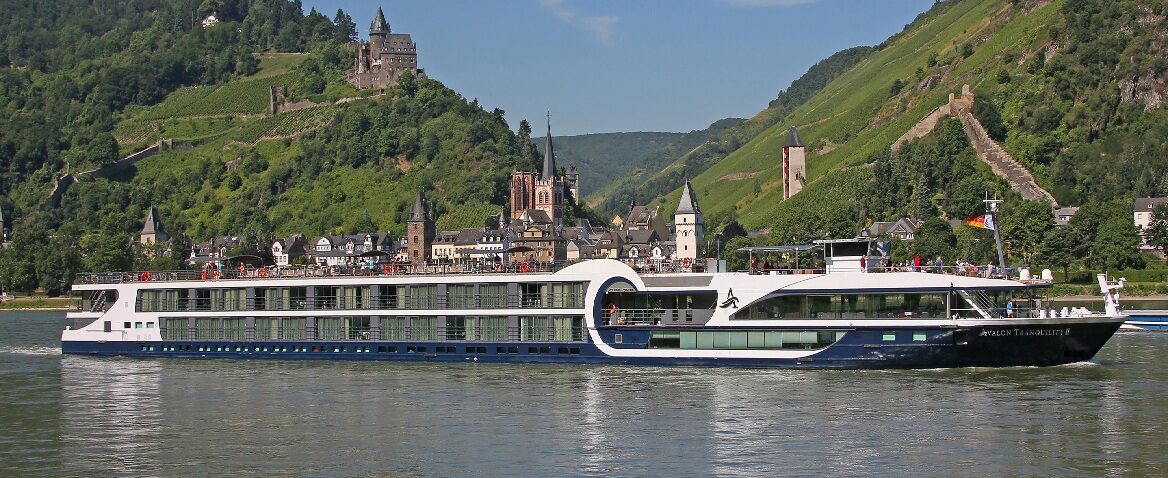

| 1 July | 9 nights | One-way from Remich to Amsterdam |
450-628-6241
Call us
|
| 1 July | 7 nights | One-way from Remich to Amsterdam |
450-628-6241
Call us
|
CroisiEurope (27 Cruises)
MS Leonard de Vinci
27 Cruises
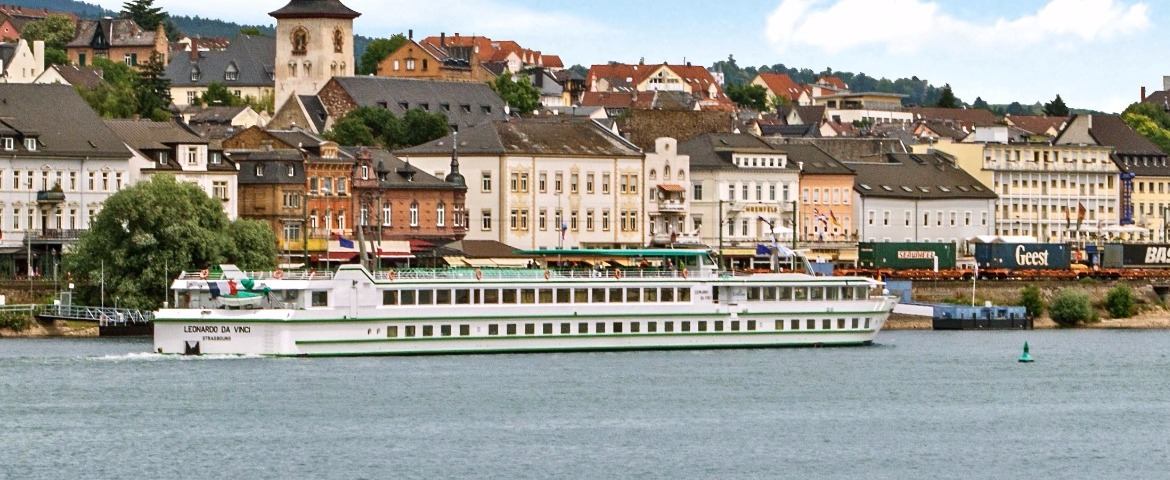

| 30 April | 8 days | One-way from Kehl-Strasbourg to Remich |
450-628-6241
Call us
|
| 30 April | 8 nights | One-way from Kehl-Strasbourg to Remich |
450-628-6241
Call us
|
| 8 May | 6 nights | One-way from Remich to Kehl-Strasbourg |
450-628-6241
Call us
|
| 24 May | 6 nights | One-way from Remich to Kehl-Strasbourg |
450-628-6241
Call us
|

Remich, Luxembourg | Cruise Port Guide
Frequently Asked Questions
Right at the foot of the riverside promenade. Ten steps take you from the gangway to the café terraces. It is one of the most immediate calls on the Moselle: nothing to organize, you step off and you are there.
The esplanade, an ice cream or a coffee, and the old town lanes behind it. The riverside promenade is the most immediate attraction of the call: flowerbeds, fountains, swans escorting the pleasure boats, and the opposite slope as a backdrop.
They are nearly a kilometre of galleries carved into the limestone in the early 20th century, a few minutes' walk from the landing. The guided visit runs through these cool corridors, held at around a dozen degrees, where crémants made by the traditional method mature. A light jacket is not superfluous, even in high summer.
Allow two to three hours for the visit and tasting, including a riverside walk before or after. The tasting lets you compare Luxembourg's sparkling wines with rieslings, pinot gris and elbling, a discreet variety grown on these slopes since Roman antiquity.
Yes, and it takes a few minutes. The road bridge extending the esplanade crosses to the German village of Nennig: changing country in mid-current remains an enjoyable experience. The border here feels more like a hyphen than a dividing line; people on both banks share markets, wine festivals and cycle paths.
Behind the esplanade, narrow lanes climb toward the deanery church, whose origins go back to the Middle Ages. Winegrowers' houses with dated doorways, tiny squares, wrought-iron signs: a quiet setting with no museum pretensions, where daily life happens in Luxembourgish, French and German.
It is a nature reserve upstream of Remich, its ponds spread between the river and the vineyards. A visitor centre and boardwalk trails let you watch herons, grebes and kingfishers. It is the best addition for a half-day call if the cellars do not tempt you.
Yes. From the central pontoon, launches offer hour-long loops on the Moselle, past locks, wine villages and the country's only marina. It is a restful way to see the valley when you would rather not walk or head underground.
A bottle of crémant, obviously, but also what the town's shops sell: plum tarts in season at the bakeries, and at the butchers the smoked specialities that traditionally accompany the new wine in autumn, when the presses are running.
The euro, and three languages in daily use: Luxembourgish, French and German. Credit cards work everywhere. Luxembourg is part of the Schengen area, and crossing into Germany involves no formality or checkpoint.


