Groningen Netherlands Groningen
8
Cruises availables
At departure or passage at this port
CroisiEurope (8 Cruises)
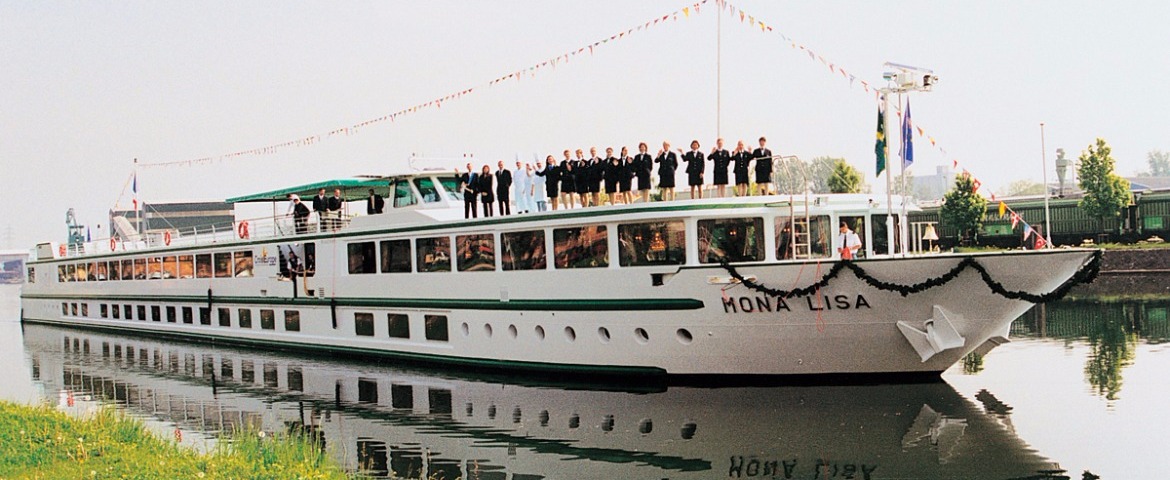

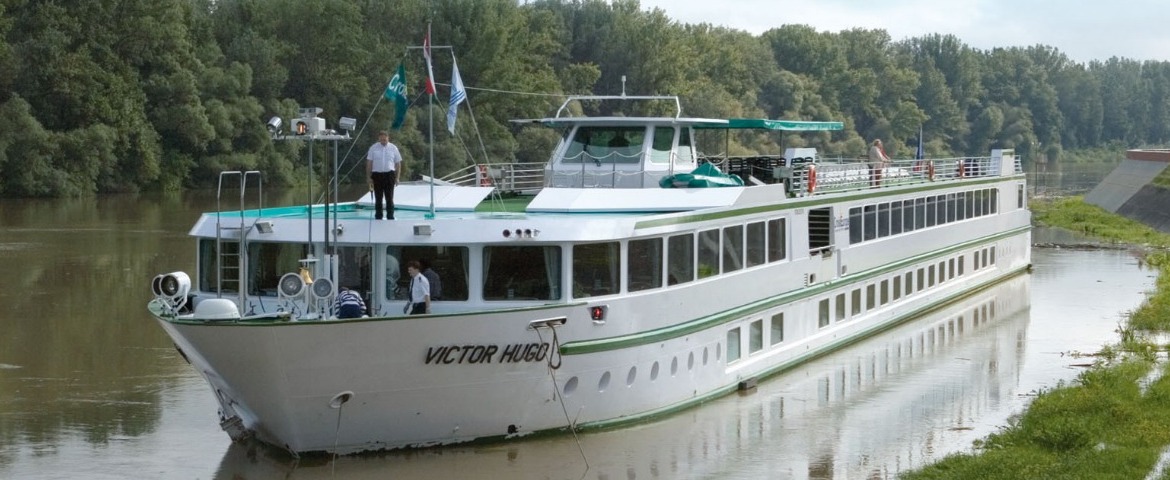
MS Victor Hugo
6 Cruises
Port of Groningen, Netherlands | Cruise Port Guide
Frequently Asked Questions
On the edge of the historic heart, which is ringed by water like so many Dutch towns. A few minutes' walk brings you to the first lanes: the whole centre is reachable on foot from the river moorings.
The fifteenth-century tower dominating the Grote Markt, rising close to ninety-seven metres. Locals call it d'Olle Grieze, the old grey one. The climb, allowed during posted hours, gives a sweeping view as far as the Wadden Sea on a clear day.
Yes, seriously. Bikes far outnumber residents and rule the centre absolutely. The first local lesson is to look both ways before crossing a cycle path — twice, rather than once.
The Grote Markt and the Martinitoren, then the old quays of Hoge der A and Lage der A where gabled warehouses reflect in still water. Add the Vismarkt with its corn exchange, and keep an hour for the Groninger Museum if contemporary art appeals.
A museum built out over the water opposite the station, unmistakable with its coloured pavilions and bold shapes. Inside: contemporary art, design and regional exhibitions. Even without going in, the building is worth the detour for its contrast with the old façades.
Yes — the Prinsentuin, hidden behind the Prinsenhof, the former governors' palace: a seventeenth-century Renaissance garden with a rose garden, clipped hornbeam walks, a sundial and a tea room. The Noorderplantsoen, laid out on the old ramparts, also offers ponds and lawns at the edge of the centre.
Yes. In season, glass-topped boats run roughly hour-long circuits on the central canals. It is a good way to grasp how the town organised itself around water, and a welcome rest between walks.
Because its university, founded in 1614, draws tens of thousands of students. That youth runs through every street in the centre: full terraces, busy markets, hundreds of bicycle bells. Few travellers know the city, which makes the discovery more genuine.
Yes, on several days a week on the Grote Markt and the Vismarkt, the old fish square closed at one end by the columned façade of the Korenbeurs corn exchange. Fruit, flowers, herring and cheese are sold there in cheerful disorder.
Yes, with due care around the cycle paths. The tower climb, the canal boat and the Noorderplantsoen park fill a day comfortably. It is not a city of children's attractions, but life happens outdoors here and that is often enough.


