Veere Netherlands Zeeland
292
Cruises availables
At departure or passage at this port
Avalon Waterways (22 Cruises)
Avalon Imagery II®
8 Cruises
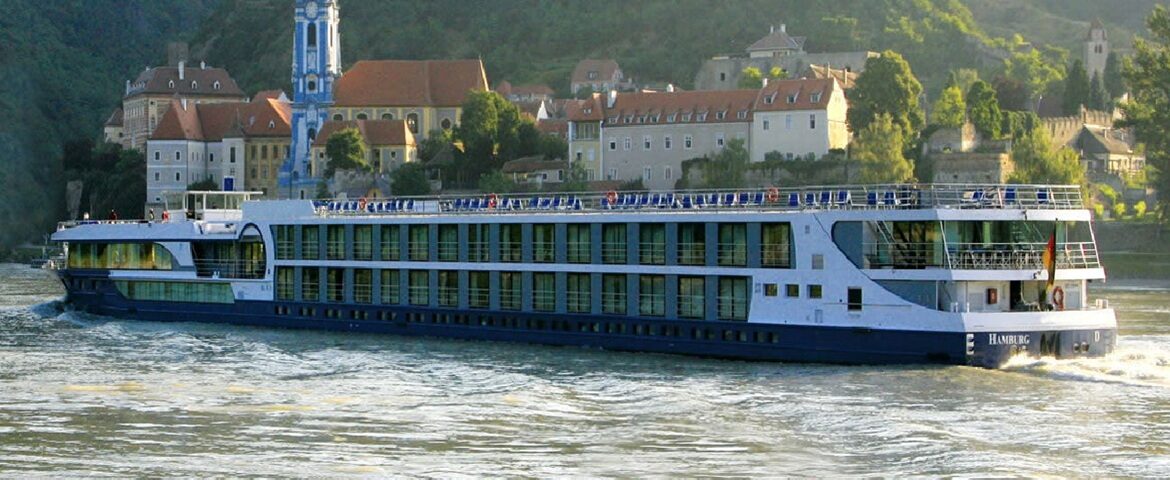

Avalon PanoramaSM
5 Cruises
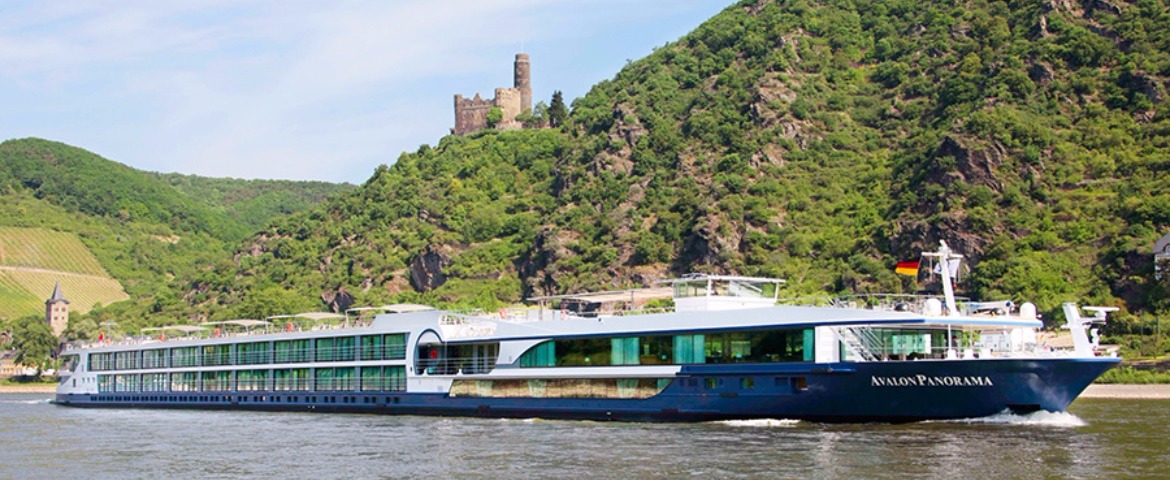
Avalon Passion®
5 Cruises
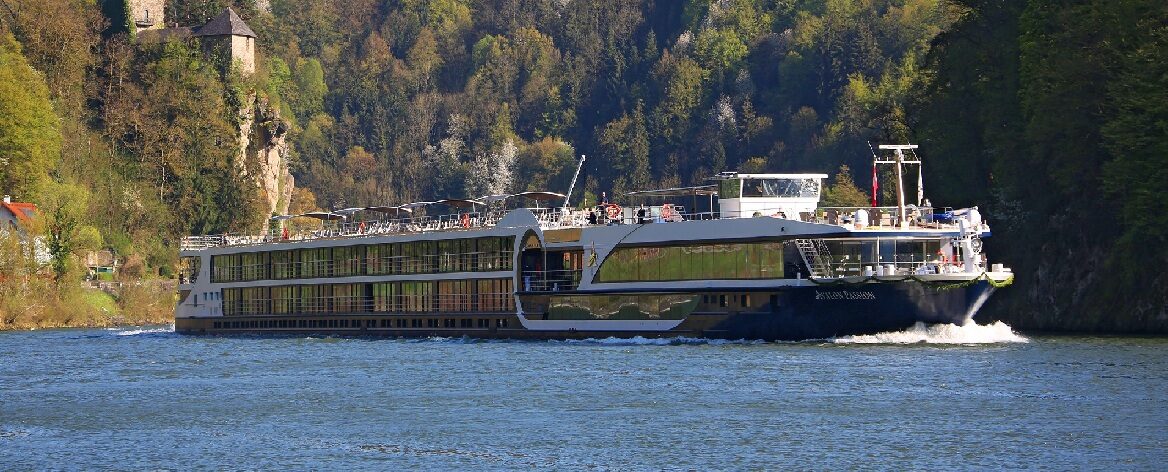
Avalon Tranquility II®
4 Cruises
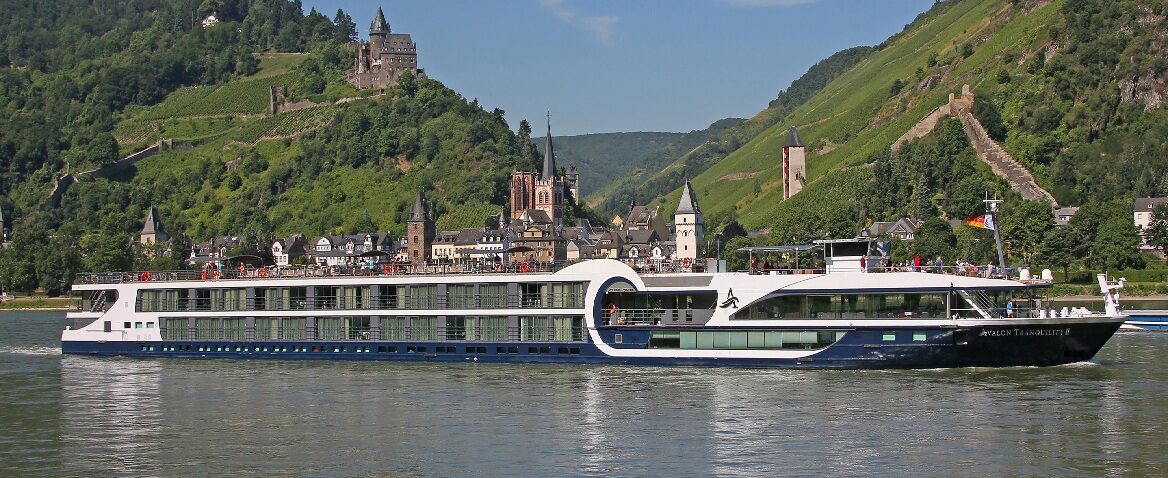
Emerald Waterways (12 Cruises)
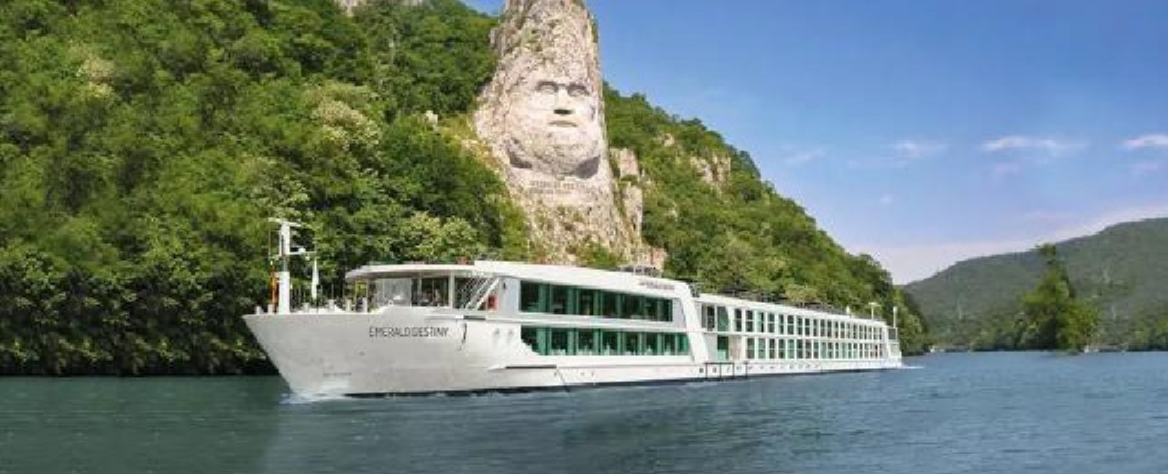
Emerald Destiny
7 Cruises

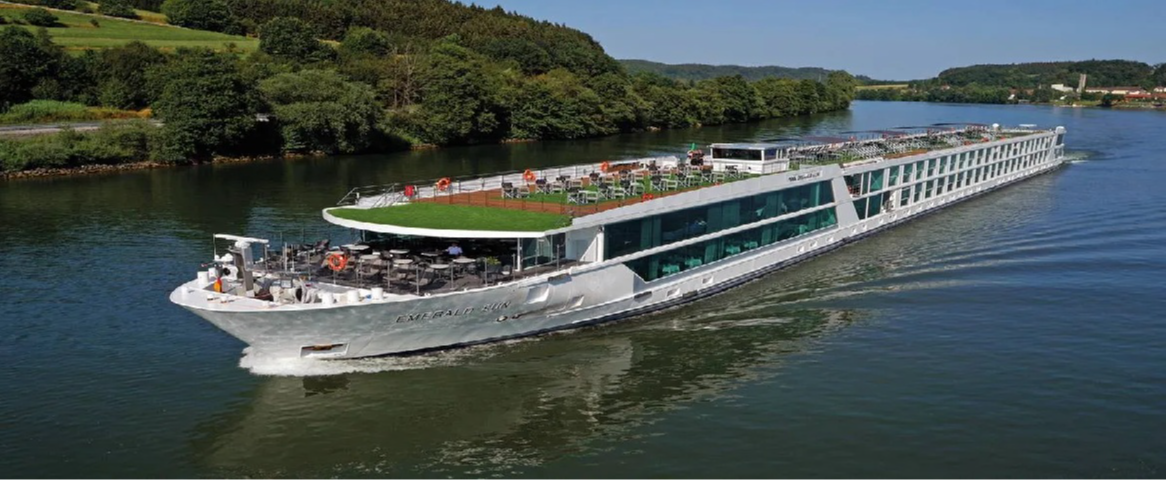
Emerald Sun
5 Cruises
Scenic Cruises (189 Cruises)
Scenic Amber
15 Cruises


Scenic Crystal
5 Cruises

Scenic Jade
6 Cruises


Scenic Jewel
13 Cruises

Scenic Opal
28 Cruises

| 23 March | 21 days | One-way from Budapest to Amsterdam |
450-628-6241
Call us
|
| 23 March | 21 nights | One-way from Budapest to Amsterdam |
450-628-6241
Call us
|
Scenic Pearl
51 Cruises

| 8 April | 18 nights | One-way from Basel to Amsterdam |
450-628-6241
Call us
|
| 12 April | 14 nights | One-way from Basel to Amsterdam |
450-628-6241
Call us
|
| 24 June | 18 nights | One-way from Basel to Amsterdam |
450-628-6241
Call us
|
| 28 June | 14 nights | One-way from Basel to Amsterdam |
450-628-6241
Call us
|
Scenic Ruby
68 Cruises

| 24 March | 21 nights | One-way from Budapest to Amsterdam |
450-628-6241
Call us
|
| 24 March | 21 days | One-way from Budapest to Amsterdam |
450-628-6241
Call us
|
| 2 June | 28 nights | One-way from Budapest to Basel |
450-628-6241
Call us
|
| 23 June | 14 nights | One-way from Basel to Amsterdam |
450-628-6241
Call us
|
Viking River Cruises (69 Cruises)
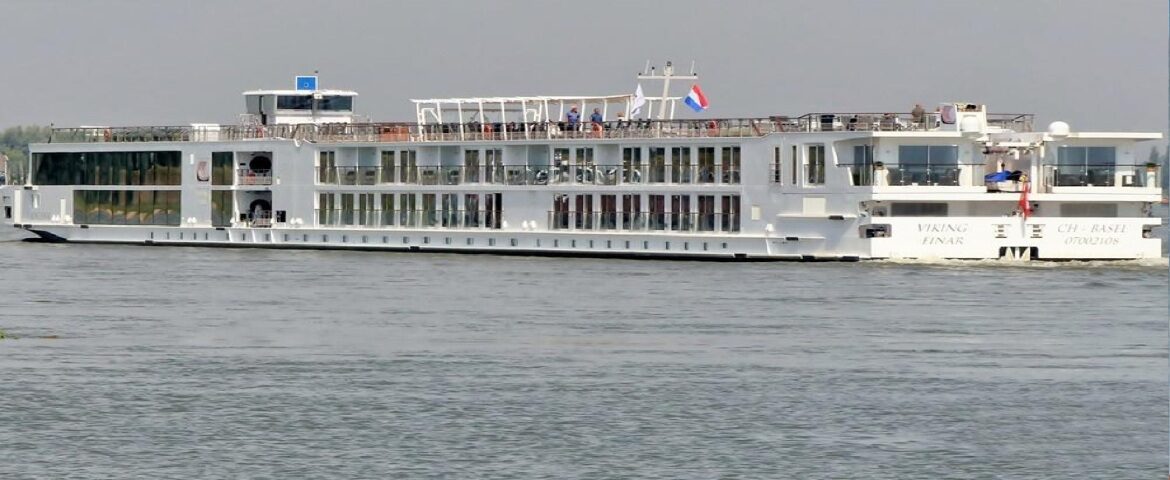
Viking Einar
15 Cruises

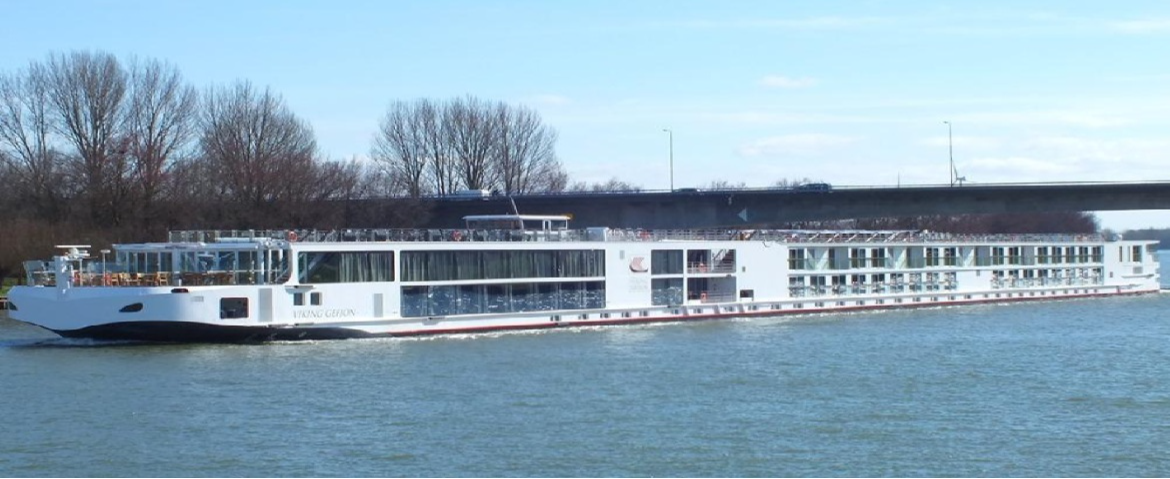
Viking Longship Gefjon
20 Cruises
Viking Longships Ve
22 Cruises
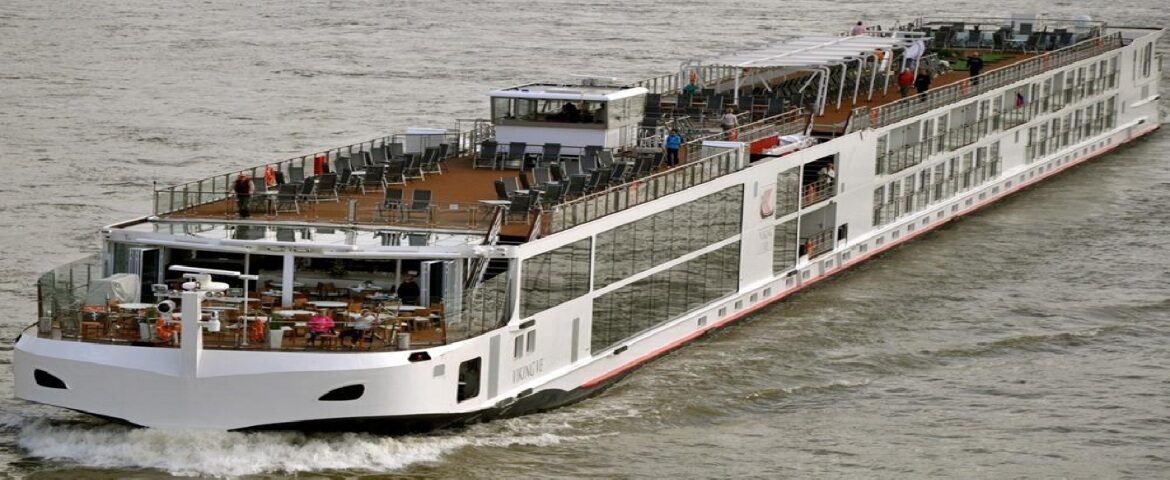
| 25 March | 9 days | Round-trip Tulips Windmills |
450-628-6241
Call us
|
| 25 March | 9 nights | Round-trip from Amsterdam, Netherlands |
450-628-6241
Call us
|
| 23 March | 9 nights | Round-trip from Amsterdam, Netherlands |
450-628-6241
Call us
|
| 23 March | 9 days | Round-trip Tulips Windmills |
450-628-6241
Call us
|
Viking Sigrun
12 Cruises
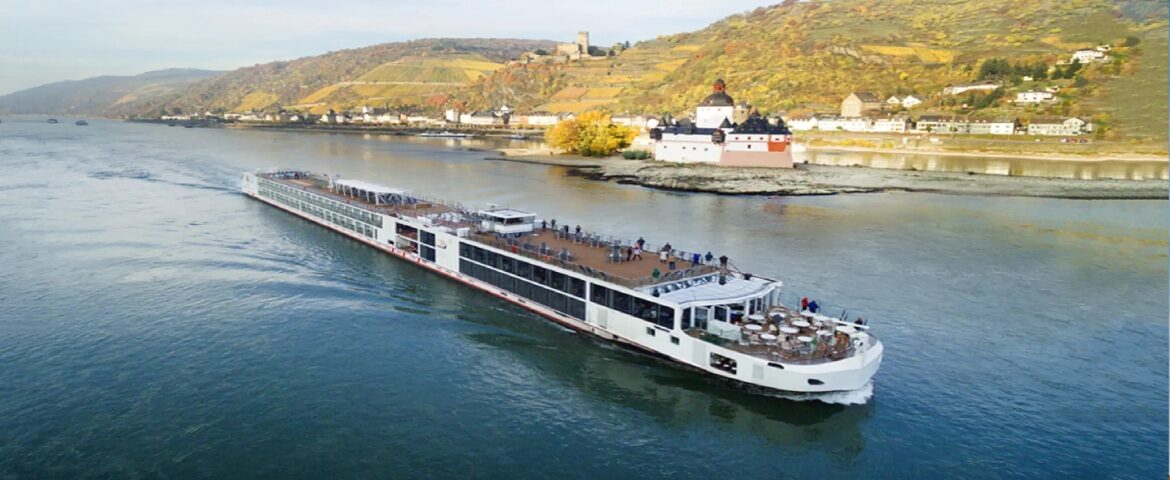
| 23 March | 9 nights | Round-trip from Amsterdam, Netherlands |
450-628-6241
Call us
|
| 23 March | 9 days | Round-trip Tulips Windmills |
450-628-6241
Call us
|

Port of Veere, Netherlands | Cruise Port Guide
Frequently Asked Questions
A short walk from the miniature centre, on the shores of the Veerse Meer. The town is crossed on foot in an hour, longer if the craft shops and galleries hold your attention.
Because of wool. In the fifteenth and sixteenth centuries Veere held the monopoly on the wool trade with Scotland, and that windfall built a small merchant capital whose setting survives almost intact. The church could hold ten times the town's population.
The Schotse Huizen, two tall sixteenth-century houses facing the harbour that served as offices and warehouses for merchants from Glasgow and Edinburgh. Their carved stone façades now house the town museum.
The era of the great wool trade, Zeeland costume and works by artists drawn to the local light. You learn how bales of Scottish wool passed across these quays before reaching continental markets — the visit gives you the key to everything you will see afterwards in the streets.
A fifteenth-century defensive tower at the harbour mouth that became one of the oldest inns in the country. Having a drink within its thick walls, facing the water, connects you to five centuries of travellers who did exactly the same.
A massive brick vessel whose never-completed tower gives the building an unmistakably squat silhouette. The bare interior, marked by centuries and by military occupations, now hosts exhibitions and concerts.
No. After the catastrophic floods of 1953, the Netherlands launched the Delta Works, a vast programme of dykes and barriers to tame the North Sea. Closing off an arm of the sea in 1961 turned Veere's roadstead into an inland lake.
Watch, first of all: in fine weather dozens of sailing boats trace a silent ballet in front of the terraces. When the call schedule allows, bicycle and small-boat rentals let you explore at your own pace, and paths follow the shoreline for walkers.
Two to three hours is plenty: the museum, the Grote Kerk, the Gothic town hall with its statues of local lords, and a wander through the cobbled lanes with their gardens spilling over with hollyhocks.
Perfectly, and that is exactly its register. Every street corner composes a picture, and painters have set up easels here for more than a century. Do not look for bustle: Veere is a jewel case, not a busy destination.


