New Plymouth New Zealand
New Zealand
10
Cruises availables
At departure or passage at this port
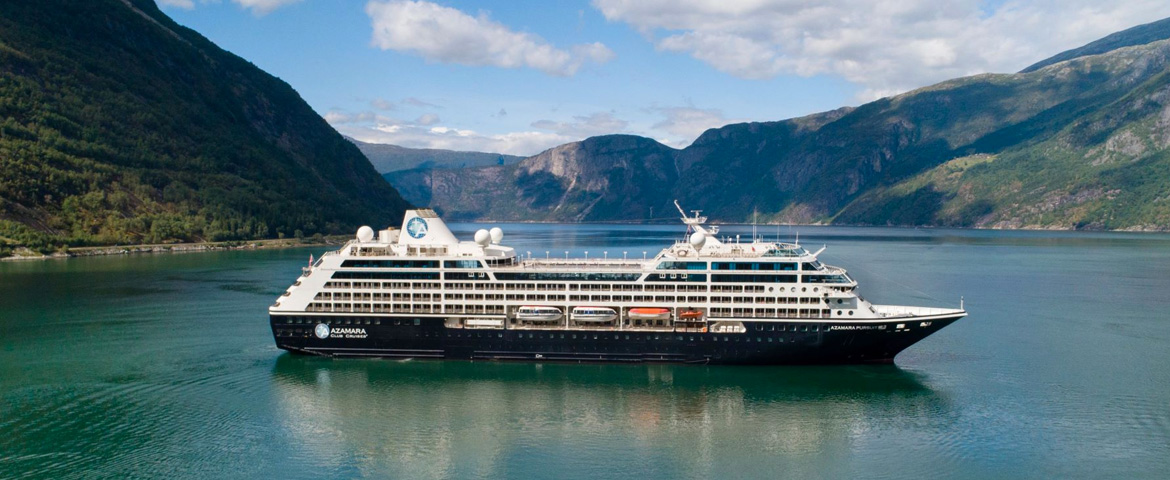
Azamara Club Cruises (3 Cruises)

Princess Cruises (7 Cruises)
Coral Princess
7 Cruises

Port of New Plymouth, New Zealand | Cruise Port Guide
Frequently Asked Questions
At Port Taranaki, about three kilometres from the centre. A shuttle drops passengers on the waterfront at the foot of the Puke Ariki museum.
A dormant volcano of 2,518 metres, an almost perfect cone snow-capped for part of the year, whose outline recalls Japan's Mount Fuji. It watches over the whole port call — when the clouds allow.
The Wind Wand and the Puke Ariki museum on the waterfront, a stretch of the Coastal Walkway out to Te Rewa Rewa Bridge, then Pukekura Park. The Govett-Brewster gallery rounds out the day.
A 45-metre red tube that sways gently in the wind, a kinetic sculpture by Len Lye, a local son who became a figure of modern art. It marks the start of the Coastal Walkway.
A white arch resembling a breaking wave or a whale skeleton, at the eastern end of the Coastal Walkway. It was designed to frame Mount Taranaki precisely when crossed on the right line — on a clear day the photograph is irresistible.
Thirteen kilometres right along the ocean, used by walkers, cyclists and Sunday strollers. There is no need to do all of it: the eastern section towards the bridge is plenty.
Fifty-two hectares of wooded valleys about twenty minutes' walk from the waterfront: lakes with rowboats, tree ferns, glasshouses, shaded paths and aviaries. The rhododendrons are the region's pride, and a tea house sits at the water's edge.
A gallery recognizable by its rippling stainless steel facade, which reflects the sky like a funhouse mirror. With the adjoining Govett-Brewster gallery, it shows contemporary art and the sculptor's kinetic works.
Yes, by a steep chain-assisted track just above the port installations. From the top you look out over the Sugar Loaf Islands, refuges for seabirds and fur seals. This is not a gentle stroll: wear proper shoes.
Some excursions run to the foothills of Egmont National Park, where short trails cross mossy forest to viewpoints on the cone. Allow half a day.


