Reine Moskenes Island Lofoten Norway
Norway

66 Cruises availables At departure or passage at this port

Hurtigruten (48 Cruises)

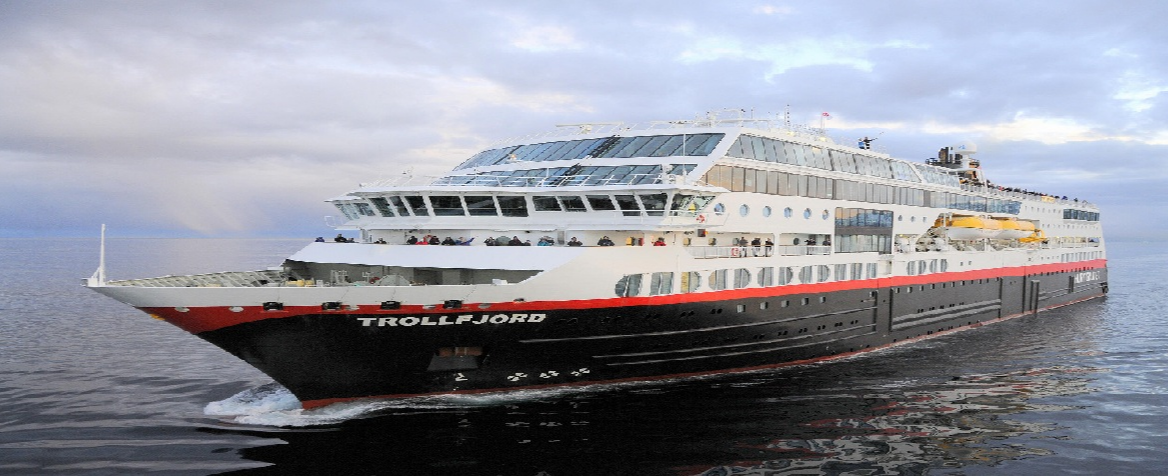
MS Trollfjord.

MS Trollfjord

16140 tons
Visit the ship's page

Reine, Norway | Cruise Port Guide

The entrance into Reinefjorden earns you a spot on deck: grey granite peaks rise from the sea, so sheer they seem to forbid any human presence, and yet red cabins cling to the shores, set on stilts between the reefs. Reine, a Lofoten fishing village on the island of Moskenesøya, is among the most photographed landscapes in Norway. The hamlet is home to barely three hundred souls, but its silhouette has travelled around the world. Ships anchor in the fjord and bring their passengers by tender to a simple pier, about a ten-minute walk from the centre.

Rorbuer, cod and stilts

The red cabins that make the place famous are called rorbuer: former lodgings for seasonal fishers, built with their feet in the water, many of which now welcome travellers. Around them, wooden drying racks tell of the activity that has sustained the archipelago for a thousand years: every winter, Arctic cod come down from the Barents Sea to spawn, and the nets bring up the skrei, which is hung outdoors until spring. Lofoten stockfish is still exported, notably to Italy, and local shops sell it in every form. In winter, the northern lights dance above the drying racks; in summer, the midnight sun lights up the cliffs until morning.

Reinebringen, the stairway to the sky

Above the rooftops, a grassy ridge draws every eye: Reinebringen, a 448-metre summit climbed by a stone staircase built by Nepalese Sherpas. The climb is short but demanding, almost entirely on steep steps, and takes about two hours round trip with good shoes. The reward goes beyond words: the village, its bridges and islets spread out below like a scale model, between turquoise water and dark cliffs. Up there, the wind carries the briny smell of the drying racks and the cries of gulls rise from the village. In wet weather, it's best to give it a miss, as the steps become slippery.

Bridge by bridge to Sakrisøy and Hamnøy

A gentler option is to follow the road that hops from islet to islet over a series of bridges. In an hour and a quarter of easy walking, you cross Sakrisøy, recognizable by its ochre rather than red houses, where a seafood counter serves a fish burger famous throughout the archipelago, then Hamnøy, whose rorbuer lined up facing the cliffs offer one of the views most sought after by photographers. The more curious continue by taxi to Å, a hamlet at the end of European route E10, where a stockfish museum occupies old warehouses. Kayakers, meanwhile, have a sheltered stretch of water in the heart of the fjord, with rentals and guided outings from the hamlet.

Essentials to know

  • The landing is about a ten-minute walk from the shops and rorbuer.
  • Reinebringen requires hiking shoes and dry weather; allow two hours.
  • The walk to Sakrisøy and Hamnøy follows the shoulder of the road: stay alert.
  • Even in summer, bring a windbreaker and warm layers; the fjord makes its own weather.
  • Shops accept cards, but opening hours are short outside the high season.

One last look at the fjord

The tender heads off, the cliffs slowly close in behind the red roofs and everyone is already searching their photos for proof that this setting really exists. Reine can't be explained: it's to be contemplated, and then it haunts you. Passengers who have seen it in fine weather speak of one of the most beautiful anchorages in the world; those who have seen it under clouds promise to come back and see for themselves.

Frequently Asked Questions

Ships anchor in the Reinefjorden and tender passengers to a simple pier about ten minutes' walk from the village centre. The entrance into the fjord is worth a spot on deck.
The red cabins that made Reine's reputation: former seasonal fishermen's quarters built with their feet in the water, on stilts among the skerries. Many now take in travellers.
Barely three hundred, even though its silhouette has travelled the world. It is one of the most photographed landscapes in Norway, on the island of Moskenes in Lofoten.
A 448-metre summit above the village, climbed by a stone staircase built by Nepalese sherpas. Allow about two hours return with proper footwear. In wet weather it is better to skip it: the steps get slippery.
Yes, follow the road that hops from islet to islet across a series of bridges. An hour and a quarter of easy walking takes you through Sakrisoy, recognizable by its ochre rather than red houses, then Hamnoy with its rorbuer lined up against the cliffs.
At Sakrisoy, a seafood counter serves a fish burger famous across the archipelago. Note that shops take cards but opening hours stay short outside the season.
A hamlet at the very end of European route 10, where a stockfish museum occupies former warehouses. You can continue there by taxi from Reine if you are curious.
Because every winter the Arctic cod comes down from the Barents Sea to spawn, and the nets bring up the skrei, which is hung in the open air until spring. Lofoten stockfish is still exported, notably to Italy.
Yes, the heart of the fjord is sheltered water, with rentals and guided trips leaving from the hamlet. It is a way of seeing the cliffs from the water rather than from above.
A windproof jacket and warm layers even in summer: the fjord makes its own weather. If you walk toward Sakrisoy and Hamnoy, note that the route follows the road shoulder — stay alert.