Portobelo Panama
31
Cruises availables
At departure or passage at this port
Lindblad Expeditions (21 Cruises)
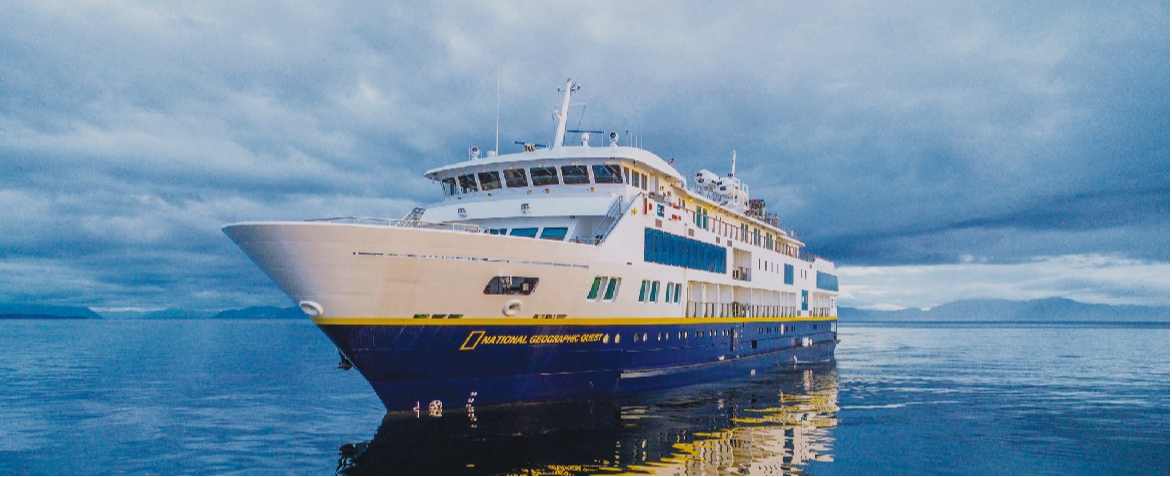
National Geographic Quest
21 Cruises

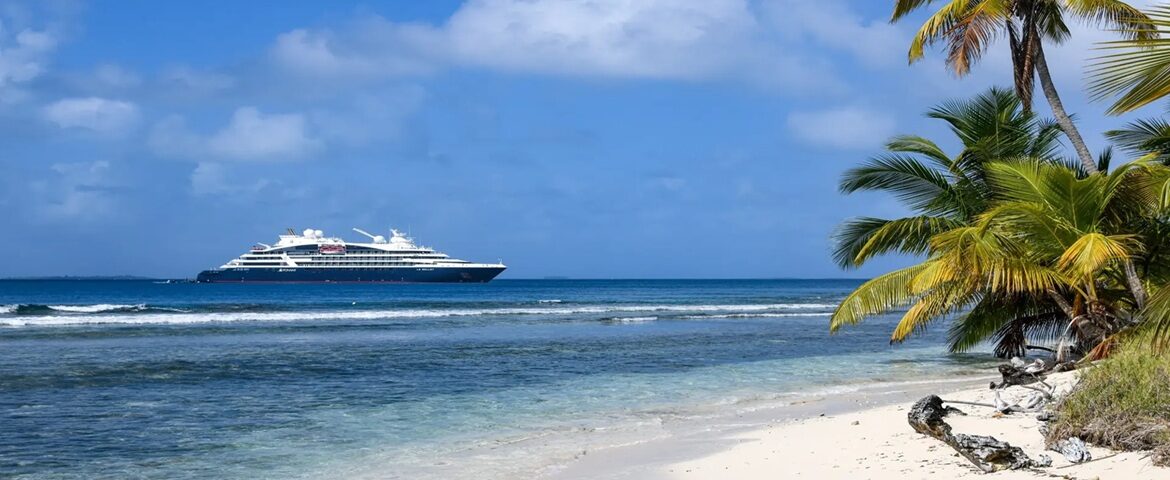

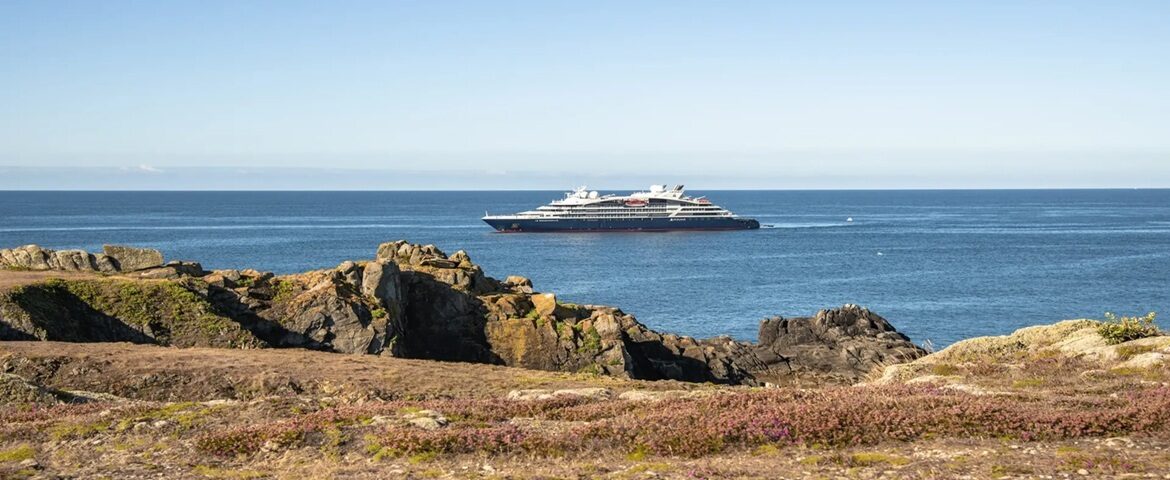
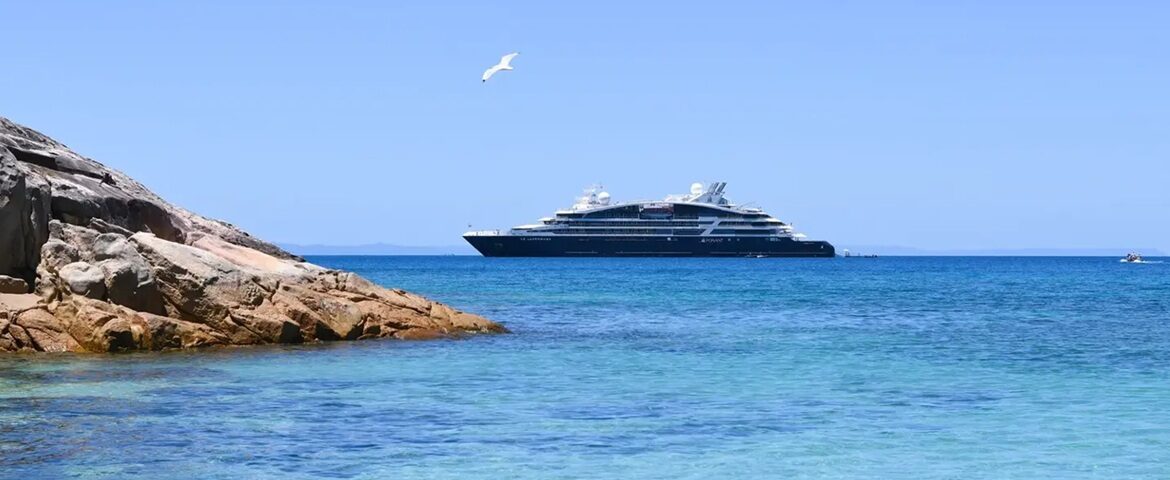
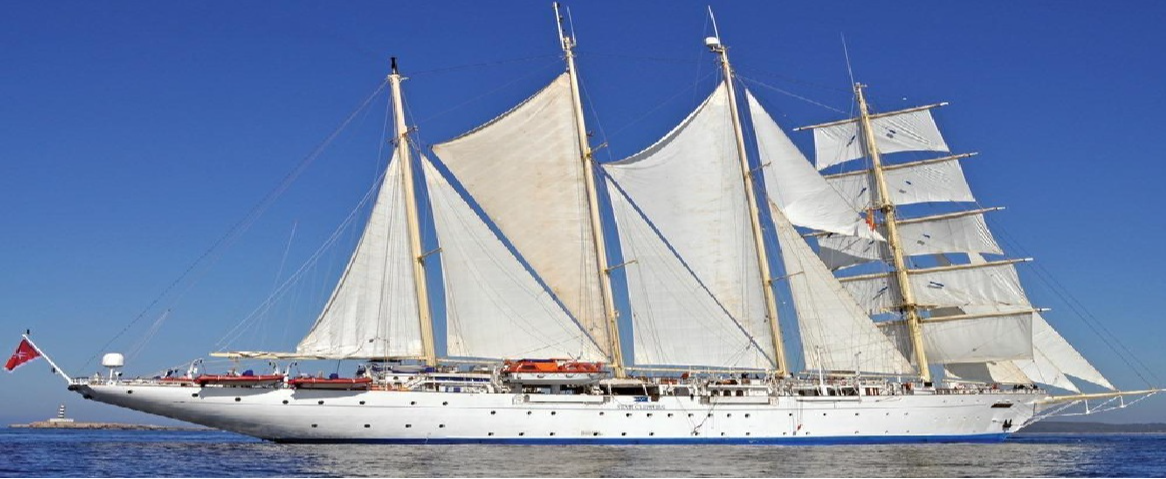
Star Clippers (2 Cruises)


Port of Portobelo, Panama | Cruise Port Guide
Frequently Asked Questions
By tender. Small ships anchor in the bay and boats land passengers in the middle of a quiet village ringed by ruined forts. Everything is then walkable.
Because a considerable share of Peru's silver passed through it for nearly two centuries. Ingots came down from the Andes by mule, crossed the isthmus and piled up at Portobelo awaiting the Spanish galleons. During the great fairs, which lasted weeks, the town was among the most coveted trading places in the Americas — and the most attacked.
The Santiago batteries at the bay entrance, cannons still trained on the water, and Fort San Jerónimo on the shore steps from the houses. These seventeenth- and eighteenth-century works are UNESCO World Heritage listed along with nearby Fort San Lorenzo.
No, and that is a rare privilege. Here the military remains are visited without any journey at all: the forts are within walking distance of the landing. Closed shoes are advisable, as the stones are damp and moss-eaten.
The whole visit is done on foot and unhurried: the two forts, the Real Aduana in the village centre, the San Felipe church, and a wander through the streets. That is ample for a call.
The royal customs house, which served as a continental strongbox: within its thick walls, ledgers recorded every ingot bound for Seville. Restored, it holds a modest but telling exhibition on the era of the fairs.
Panama's most venerated statue, a dark wooden Christ kept in the San Felipe church, whose exact origin is lost in competing accounts. Every 21 October, tens of thousands of pilgrims converge on the village, some on their knees for the final kilometres, dressed in purple like the statue.
The legacy of the enslaved people who took back their freedom here, still alive in dances and costumes. UNESCO has listed it as intangible cultural heritage. Congo crafts and molas are sold near the square.
The US dollar, Panama's currency. Bring cash in small notes: this is a village, not a cruise terminal, and cards are not accepted everywhere.
This is one of the wettest areas in the country. A light rain jacket earns its place in the bag, in every season. Warm rain is as much part of the atmosphere here as the mossy stones.


