Port of Angra do Heroísmo, Azores | Cruise Port Guide

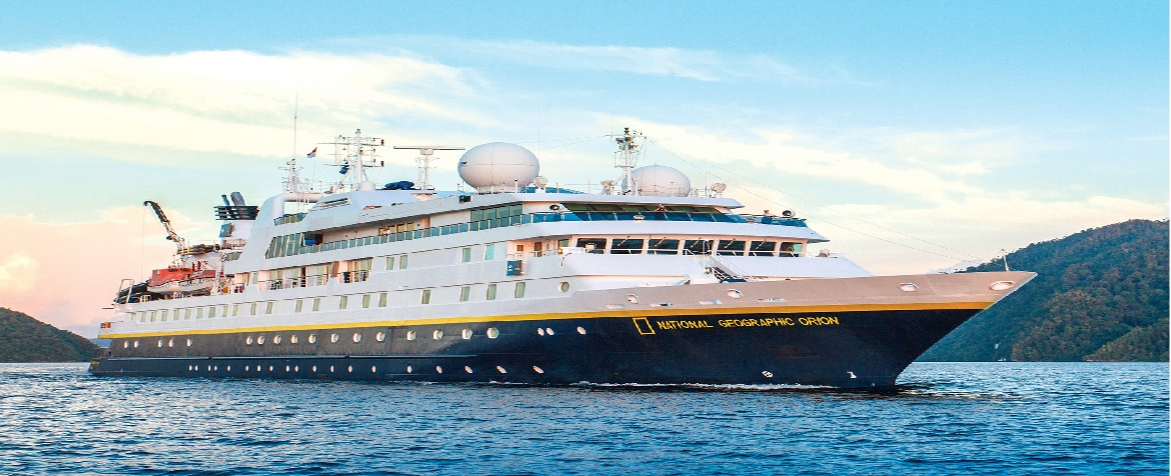
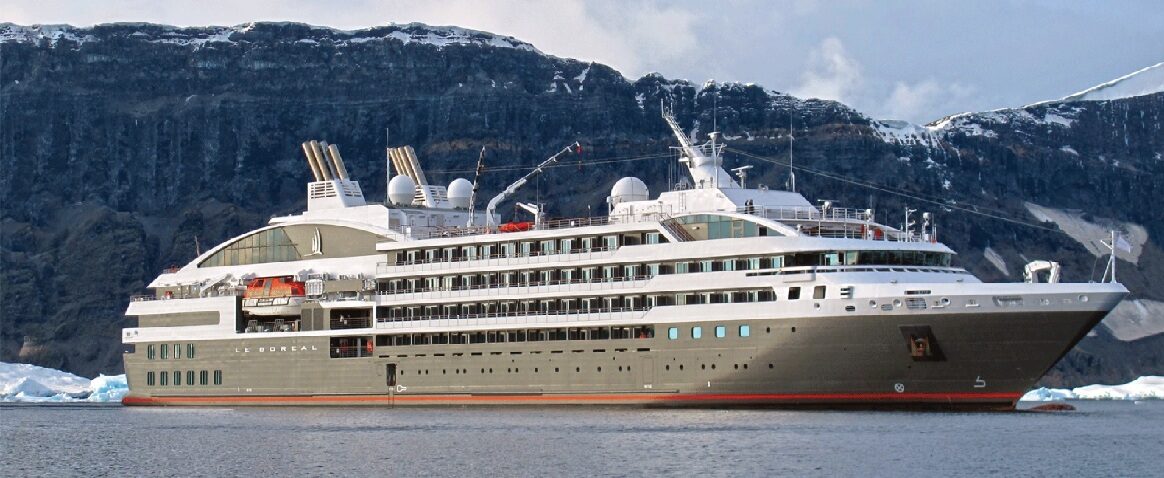
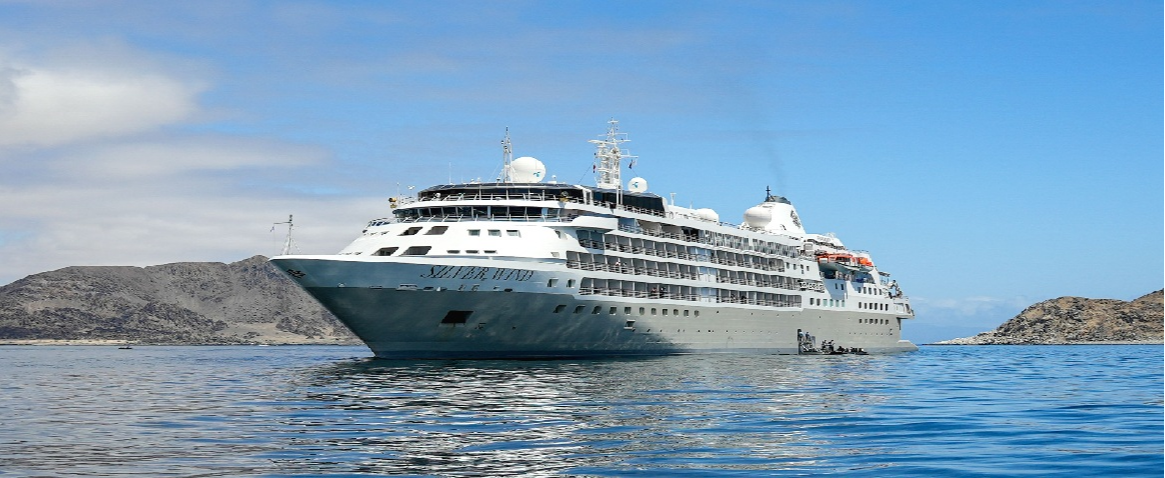
For four centuries, virtually every Atlantic galleon loaded with gold, spices and silk anchored in this bay in the Azores. From the 15th century until the arrival of steamships, Angra do Heroísmo served as a required stop for fleets travelling from the Indies and the Americas on their way to Europe. UNESCO listed its old town as a World Heritage Site in 1983, and today's cruise ships, often mid-sized, dock right against the city itself, on the island of Terceira.

A Renaissance Grid Facing the Ocean

The streets, laid out in a strict grid as early as the 16th century, slope gently down toward the water. The town was designed for Atlantic trade: warehouses near the docks, merchants' homes higher up, and convents and churches overlooking it all. White facades here are trimmed in blue, yellow or green, wrought-iron balconies face each other across the streets, and the pavement is laid in traditional Portuguese patterns. The Cathedral of Santíssimo Salvador da Sé dominates the town, surrounded by the baroque churches of Misericórdia and Espírito Santo and the former Franciscan and Jesuit convents. Two hours of easy walking are enough to cover the entire World Heritage area.

Two Fortresses for One Bay

So much wealth passing through drew privateers, prompting the crown to build the fortresses of São Sebastião and São João Baptista, outstanding examples of 16th- and 17th-century military architecture. Their black basalt walls still frame the bay, and the second remains one of the largest fortifications in the Atlantic. Visitors can follow their outer walls along the waterfront, exactly where lookouts once watched the horizon for sails.

Monte Brasil, the Sentinel Volcano

The Monte Brasil peninsula, a former volcanic cone now covered in greenery, shields the bay from the open-sea winds. A road and trails climb to the Pico das Cruzinhas lookout, marked by a monument to the Portuguese voyages of discovery: from up there, the orange rooftops, the bay and the ocean come together in one of the most complete views in the archipelago. Families from Terceira come here to picnic on weekends, among the old coastal gun batteries. Allow a good hour for the round trip on foot from the docks, a bit less by taxi to the top.

Terceira Beyond the Ramparts

For longer port calls, the interior of Terceira holds an unusual attraction: the Algar do Carvão, a volcanic chimney reached by a staircase leading down to an underground chamber lined with moss, about fifteen kilometres from the bay. Excursions often add in the island's checkerboard pastures and villages, where the impérios, small, brightly painted chapels dedicated to the Holy Spirit, speak to the depth of Azorean religious tradition. The return trip follows the coastal road, past basalt stone walls and hydrangeas.

Angra do Heroísmo Port Call at a Glance

  • Docking right at the edge of the old town: everything can be visited on foot, no shuttle needed.
  • UNESCO World Heritage area: about two hours of walking covers the highlights.
  • Monte Brasil and Pico das Cruzinhas: a walk uphill or a short taxi ride from the dock.
  • Public gardens and kiosks: shaded stops between churches, with benches and fine views of the bell towers.

As the ship casts off, it's worth pausing to consider everything this bay has seen: entire fleets, centuries of trade, fortunes made and shipwrecks lost. The ship sets off across the Atlantic like so many before it, and Angra settles back into its grid of streets, calm and certain that travellers will return.

Frequently Asked Questions

Right against the town, at the foot of Terceira's historic centre. Everything is walkable, with no shuttle: one of the great advantages of this Azorean call.
The listed old centre takes about two hours to cover properly. Add the climb to Monte Brasil and you still have time for a coffee in the public garden.
For its Renaissance grid, laid out with a measuring line from the 16th century and designed for Atlantic trade. From the 15th century until the age of steam, the bay was a compulsory stop for fleets from the Indies and the Americas. UNESCO listed it in 1983.
An old volcanic cone covered in vegetation that shelters the harbour from open-sea winds. A road and footpaths lead to the Pico das Cruzinhas viewpoint, where orange rooftops, the bay and the ocean form one of the finest panoramas in the archipelago.
Allow a good hour on foot there and back from the quays, rather less by taxi to the summit. Terceira families come up to picnic at weekends.
São Sebastião and São João Baptista, built in the 16th and 17th centuries against the corsairs drawn by all that passing wealth. Their black basalt walls still frame the bay, and the second remains one of the largest fortifications in the Atlantic.
A volcanic chimney descended by staircase into a moss-lined underground chamber, about fifteen kilometres from the harbour. For longer calls only.
Small chapels of the Holy Spirit painted in bright colours, scattered through the island's villages. They convey Azorean devotion better than any lecture.
The euro and Portuguese. The Azores are part of Portugal; English is used in central shops and with guides.
Mild and changeable all year, with showers that pass quickly. Bring a windbreaker even in summer: the Atlantic does as it likes with Azorean skies.