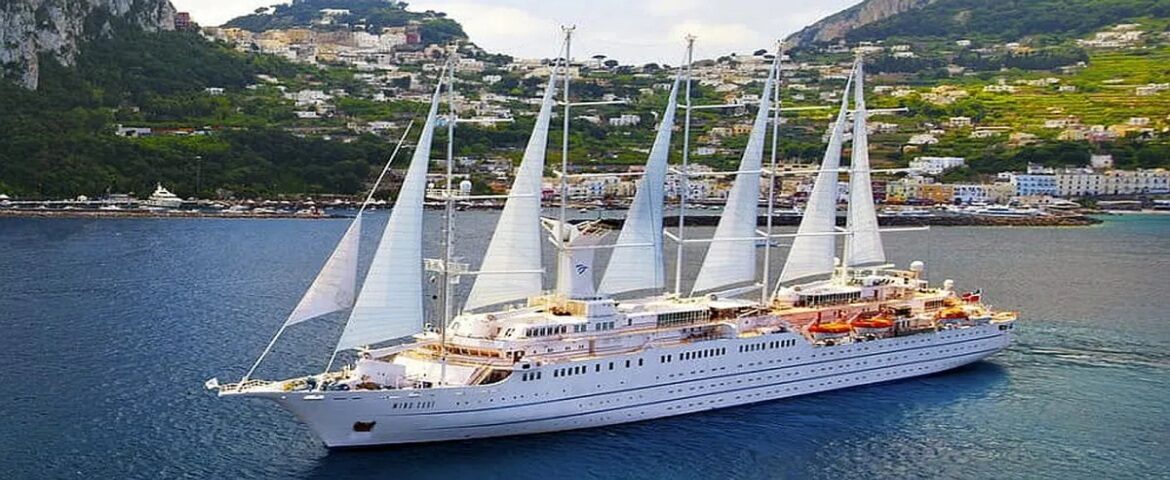
Porto Santo Island Madeira Vila Baleira

40 Cruises availables At departure or passage at this port

Windstar Cruises (26 Cruises)

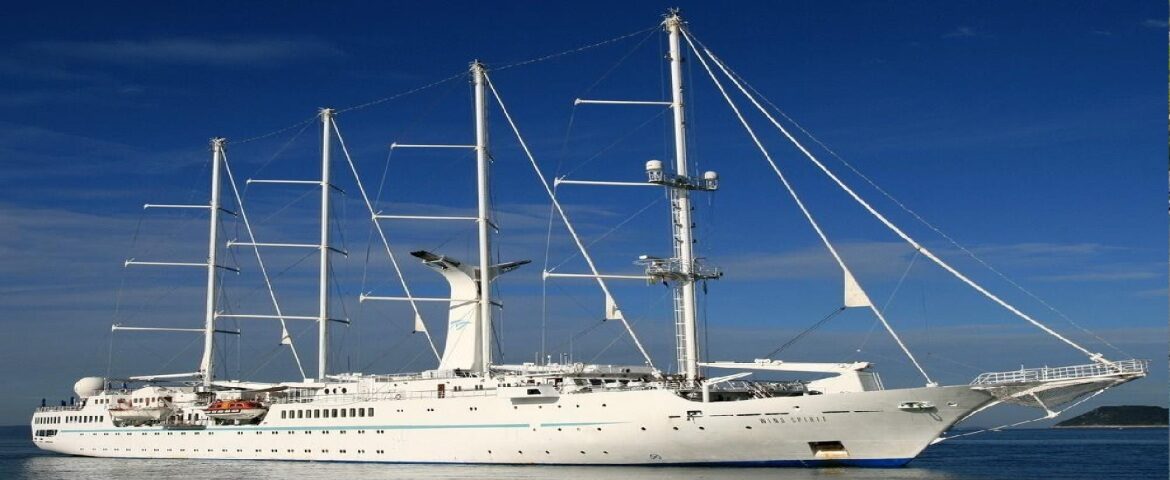
Wind Spirit

Wind Spirit

249 Passengers
5736 tons
Visit the ship's page

Porto Santo Madeira | Golden Beaches & Atlantic Island Guide

Forty-three kilometres from green Madeira, its little sister plays a completely different tune. Porto Santo is golden, arid, almost desert-like, and it has what the big island lacks: a 9-kilometre beach of golden sand that lines its entire south coast. Ships dock at the pier at its eastern end, a short distance from Vila Baleira, its only real town. You reach the town on foot along the shore or in a few minutes by taxi. From the outset, the setting imposes its rhythm: here, you slow down.

The beach, first and foremost

Let's admit it: most passengers will see nothing else, and they will not be wrong. Porto Santo's sand, fine and calcareous, soft underfoot, has long been reputed to have therapeutic properties; spa-goers come to bury their legs in it to relieve rheumatism. The water, crystal clear and warmer than in Madeira, slopes gently, ideal for long swims. You need only walk a few hundred metres to find a quiet spot, even in summer. Umbrella rentals, dive schools and discreet snack bars line the way without ever spoiling it. Certified divers will ask about the wreck of the Madeirense, a former ferry deliberately sunk offshore to create an artificial reef now colonized by groupers and barracudas.

Vila Baleira, in the footsteps of Columbus

The town can be discovered in a peaceful hour: a square shaded by palm trees, a white church, whitewashed houses and a pier reaching out into the blue. Yet it was here that a certain Christopher Columbus lived, before he changed the map of the world. The navigator married Filipa Moniz, daughter of the island's first captain-donatary, and the house where he is said to have stayed now holds a museum tracing his Portuguese years and his voyages. Visiting these modest rooms, a world away from the splendours of Seville, suddenly makes the man very real. The small centre also lines up a few craft shops and cafés where time stretches out, like the island as a whole.

Taking in the heights

To take in the whole island, climb to its lookouts. Pico do Castelo, a reforested volcanic cone overlooking Vila Baleira, once served as a refuge during pirate raids; the winding road leading to it offers plunging views of the bay. Farther east, the Portela lookout takes in at a single glance the entire beach, the neighbouring islets and the bare hills in shades of ochre and rust. Taxis offer one- or two-hour tours linking these viewpoints, often passing the restored windmills that crown the hills: a good investment for understanding this lunar landscape softened by the Atlantic.

Island flavours

At the table, the island stays simple and straightforward: black scabbardfish, grilled octopus and lapas (limpets) seared in garlic butter and lemon, all followed by bolo do caco, the round bread baked on stone. The terraces around the main square and along the shore also serve poncha, the Madeiran cocktail of agricultural rum and fruit, to be enjoyed with the moderation the sun demands.

Sand in your shoes

When it is time to return on board, many passengers unwittingly carry away a little golden sand in the bottom of their shoes. It is the fitting signature of this port call without major monuments or effort, where luxury comes down to three things: a vast beach, clear water and the memory of a Genoese navigator who, he too, found a pause here before the great crossings.

Frequently Asked Questions

At the pier on the island's eastern end, a short distance from Vila Baleira, its only real town. You can reach the town on foot along the shore or in a few minutes by taxi.
Yes. The 9-kilometre beach runs the length of the south coast and begins near the pier. A few hundred metres of walking is enough to find a quiet stretch, even in summer.
Its fine calcareous sand, soft underfoot, long credited with therapeutic properties: people come to bury their legs in it to ease rheumatism. The water is clear, warmer than in Madeira, and shelves gently.
He lived here before redrawing the map of the world. The navigator married Filipa Moniz, daughter of the island's first captain-donatary, and the house where he is said to have stayed now holds a museum tracing his Portuguese years and his voyages.
The town unfolds in a peaceful hour: a palm-shaded square, a white church, whitewashed houses, a jetty reaching into the blue, the Columbus house-museum, a few craft shops and cafés where time stretches out.
Pico do Castelo, the replanted volcanic cone above Vila Baleira that once served as a refuge during pirate raids, and the Portela viewpoint further east, which takes in the whole beach and the nearby islets. Taxis offer one- or two-hour circuits linking them.
Yes. Dive schools line the beach, and certified divers ask for the wreck of the Madeirense, a former ferry deliberately sunk offshore to create an artificial reef, now colonized by grouper and barracuda.
No, and that is not a flaw. The island is golden, arid, almost desert-like, and its luxury comes down to three things: an enormous beach, clear water and quiet. Anyone hunting built heritage will come away hungry.
Black scabbardfish, grilled octopus, limpets seared in garlic butter and lemon, then bolo do caco, the round bread baked on stone. Terraces also serve poncha, the Madeiran cocktail of cane rum and fruit, best taken with the restraint the sun demands.
The euro and Portuguese. Cards work in the restaurants and shops of Vila Baleira; keep cash for beach kiosks and taxis. English is understood in tourism.