Giurgiu Romania
Romania
356
Cruises availables
At departure or passage at this port
AmaWaterways (144 Cruises)
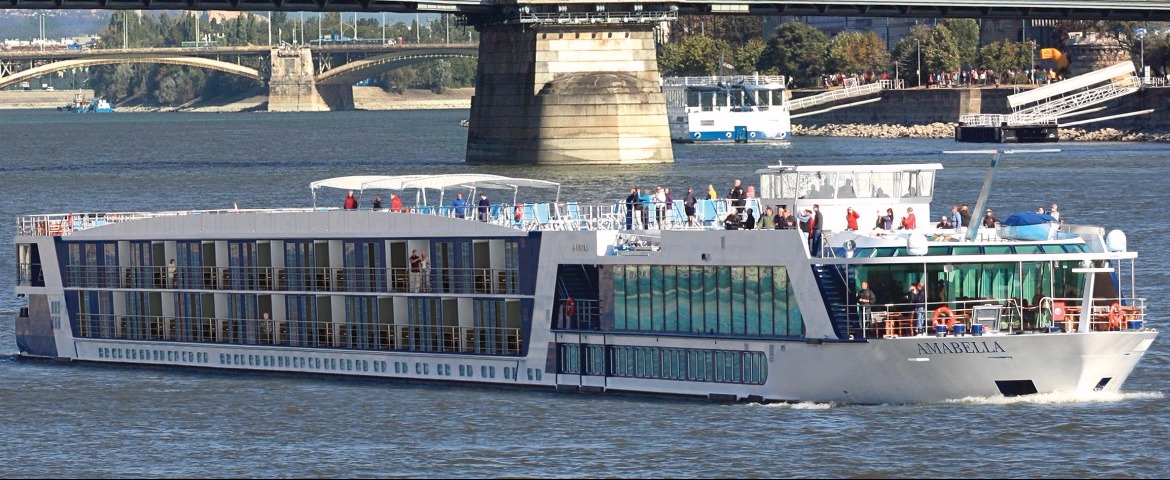
AmaBella
59 Cruises

| 22 March | 15 days | One-way from Vilshofen an der Donau to Giurgiu |
450-628-6241
Call us
|
| 29 March | 8 days | One-way from Budapest to Giurgiu |
450-628-6241
Call us
|
| 6 March | 8 days | One-way from Giurgiu to Budapest |
450-628-6241
Call us
|
| 27 March | 8 days | One-way from Budapest to Giurgiu |
450-628-6241
Call us
|
| 3 April | 8 days | One-way from Giurgiu to Budapest |
450-628-6241
Call us
|
| 24 April | 7 days | One-way from Budapest to Giurgiu |
450-628-6241
Call us
|
| 19 June | 8 days | One-way from Budapest to Giurgiu |
450-628-6241
Call us
|
| 26 June | 8 days | One-way from Giurgiu to Budapest |
450-628-6241
Call us
|
| 17 July | 8 days | One-way from Budapest to Giurgiu |
450-628-6241
Call us
|
| 24 July | 8 days | One-way from Giurgiu to Budapest |
450-628-6241
Call us
|
| 14 August | 8 days | One-way from Budapest to Giurgiu |
450-628-6241
Call us
|
| 21 August | 8 days | One-way from Giurgiu to Budapest |
450-628-6241
Call us
|
| 11 September | 8 days | One-way from Budapest to Giurgiu |
450-628-6241
Call us
|
| 18 September | 8 days | One-way from Giurgiu to Budapest |
450-628-6241
Call us
|
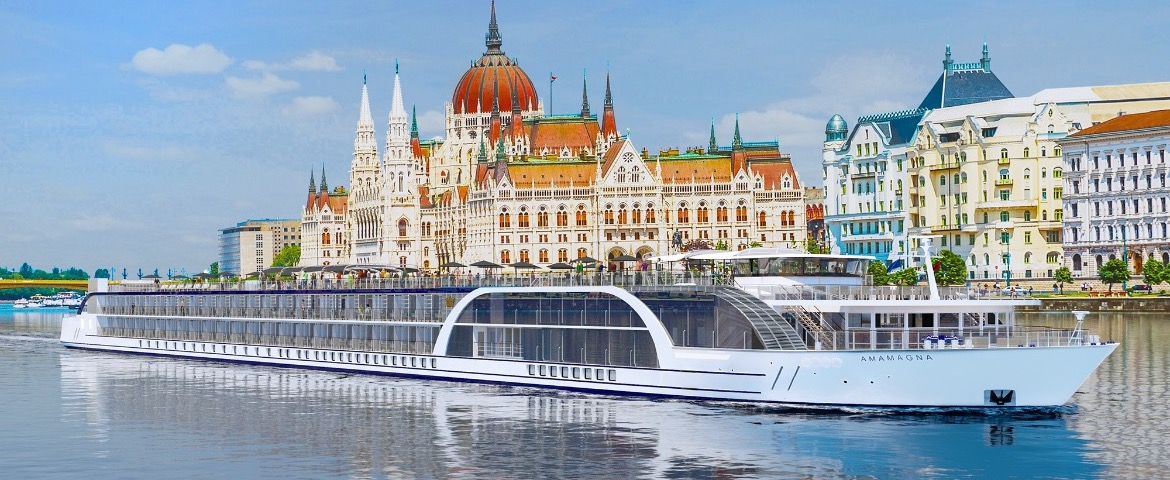
AmaMagna
28 Cruises
| 5 March | 8 days | One-way from Giurgiu to Budapest |
450-628-6241
Call us
|
| 26 March | 8 days | One-way from Budapest to Giurgiu |
450-628-6241
Call us
|
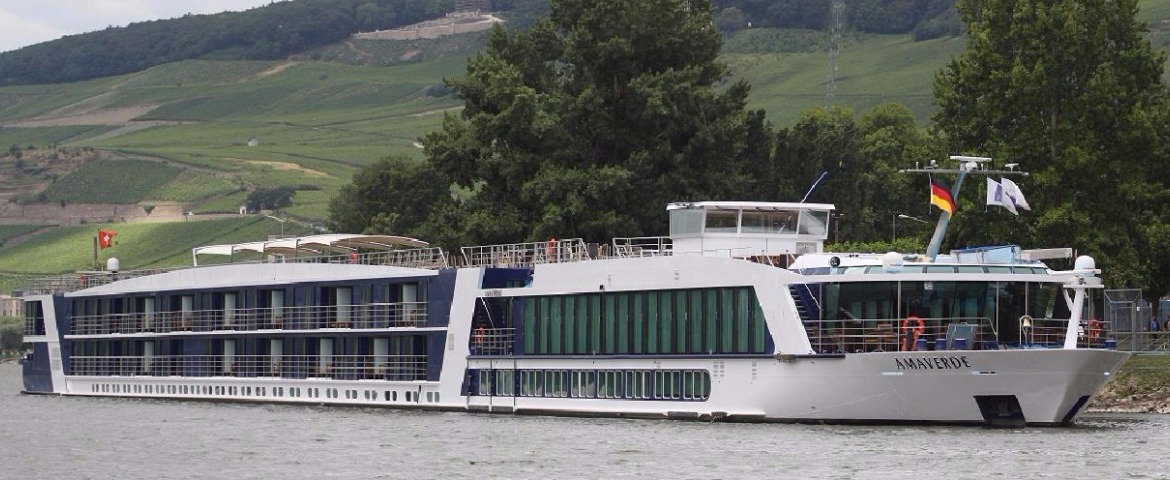
AmaVerde
57 Cruises
| 13 March | 8 days | One-way from Budapest to Giurgiu |
450-628-6241
Call us
|
| 20 March | 8 days | One-way from Giurgiu to Budapest |
450-628-6241
Call us
|
| 10 April | 8 days | One-way from Budapest to Giurgiu |
450-628-6241
Call us
|
| 17 April | 8 days | One-way from Giurgiu to Budapest |
450-628-6241
Call us
|
| 8 May | 8 days | One-way from Budapest to Giurgiu |
450-628-6241
Call us
|
| 15 May | 8 days | One-way from Giurgiu to Budapest |
450-628-6241
Call us
|
| 5 June | 8 days | One-way from Budapest to Giurgiu |
450-628-6241
Call us
|
| 12 June | 8 days | One-way from Giurgiu to Budapest |
450-628-6241
Call us
|
| 7 August | 8 days | One-way from Giurgiu to Budapest |
450-628-6241
Call us
|
| 28 August | 8 days | One-way from Budapest to Giurgiu |
450-628-6241
Call us
|
CroisiEurope (34 Cruises)
MS L'Europe
17 Cruises
 Image not available

| 6 June | 11 days | One-way from Oltenita to Vienna |
450-628-6241
Call us
|
| 6 June | 12 days | One-way from Oltenita to Vienna |
450-628-6241
Call us
|
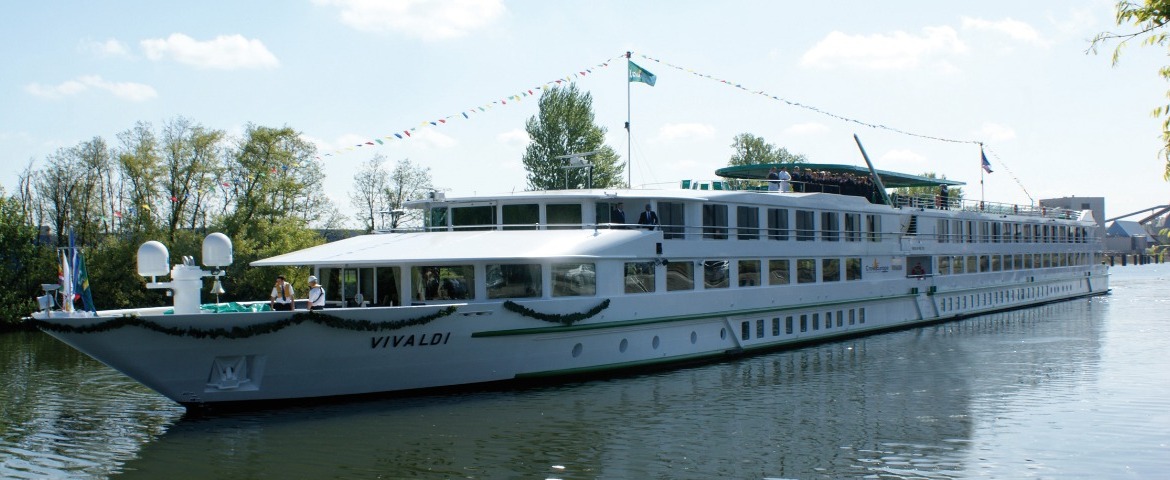
MS Vivaldi
17 Cruises
| 30 June | 11 days | One-way from Oltenita to Vienna |
450-628-6241
Call us
|
| 30 June | 12 days | One-way from Oltenita to Vienna |
450-628-6241
Call us
|
Emerald Waterways (85 Cruises)
Emerald Sky
44 Cruises
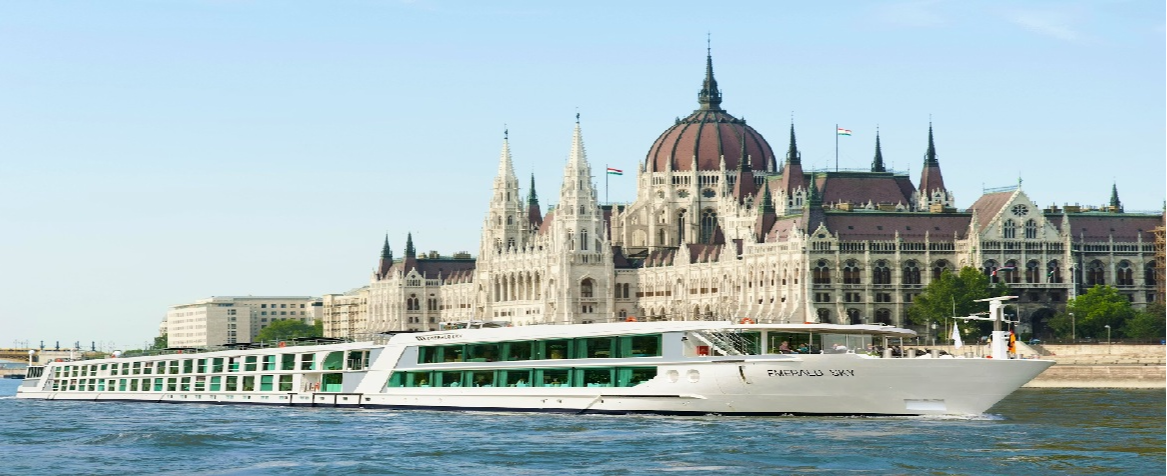

| 29 March | 15 days | One-way from Nuremberg to Bucharest |
450-628-6241
Call us
|
| 29 March | 16 days | One-way from Nuremberg to Bucharest |
450-628-6241
Call us
|
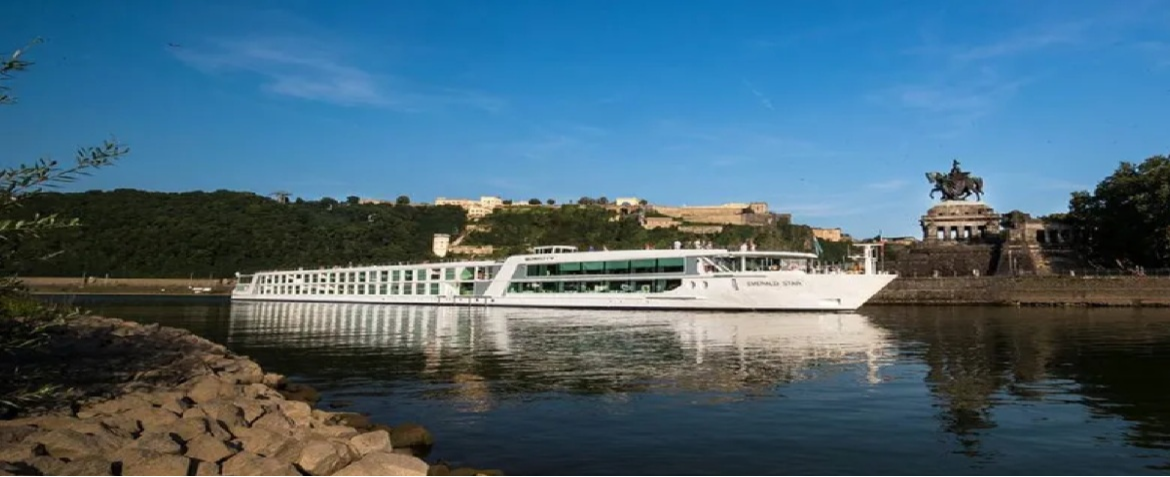
Emerald Star
41 Cruises
Scenic Cruises (93 Cruises)
Scenic Amber
48 Cruises


Scenic Jade
21 Cruises

Scenic Jasper
24 Cruises


Port of Giurgiu | Cruise Port Guide
Frequently Asked Questions
At the river quay, a few steps from the town centre, on the left bank of the Danube facing the Bulgarian city of Ruse. The town is modest and makes no attempt to dazzle: it serves mainly as a gateway.
About an hour and a quarter by road, for some sixty kilometres. It is the call's main excursion, and guides fill the drive with stories about the Wallachian countryside, its fields of wheat and sunflowers.
The clock tower on the main square, the landscaped banks and marina, the county museum and the market. All of it walkable from the quay, at an easy pace.
A tower some twenty metres tall, raised in Ottoman times at the centre of the main square. It served as a watchtower before becoming the town's symbol, a relic of when Giurgiu was a stronghold contested between the Ottoman Empire and the Romanian principalities.
A steel structure more than two kilometres long, opened in 1954, the first fixed link between Romania and Bulgaria. Road and railway cross it on two levels. From the quay you can gauge the volume of traffic crossing southeastern Europe here.
Yes, Ruse lies directly opposite, showing off its Belle Époque buildings. Some cruise itineraries visit it from this bank: a chance to compare two worlds the river both separates and connects.
Vegetables, fresh cheeses and honey from the Wallachian plains. It's a direct glimpse of everyday life in southern Romania, far from tourist circuits. Many visitors leave with a jar of honey in their bag.
Since the 14th century, when Genoese merchants established a trading post here. The town has lived by the river ever since, shaped by the passage of goods and empires.
The Romanian leu. Euros are accepted only in some shops, and rarely at a good rate: better to exchange or withdraw lei. Cards work in downtown businesses.
It depends what you're after. Giurgiu is a working town where nothing is staged, and you understand the Danube better here than in many famous places. Anyone wanting monuments will be disappointed; those curious about Romanian daily life will not.


