Solomon Islands
Solomon Islands

20 Cruises availables At departure or passage at this port
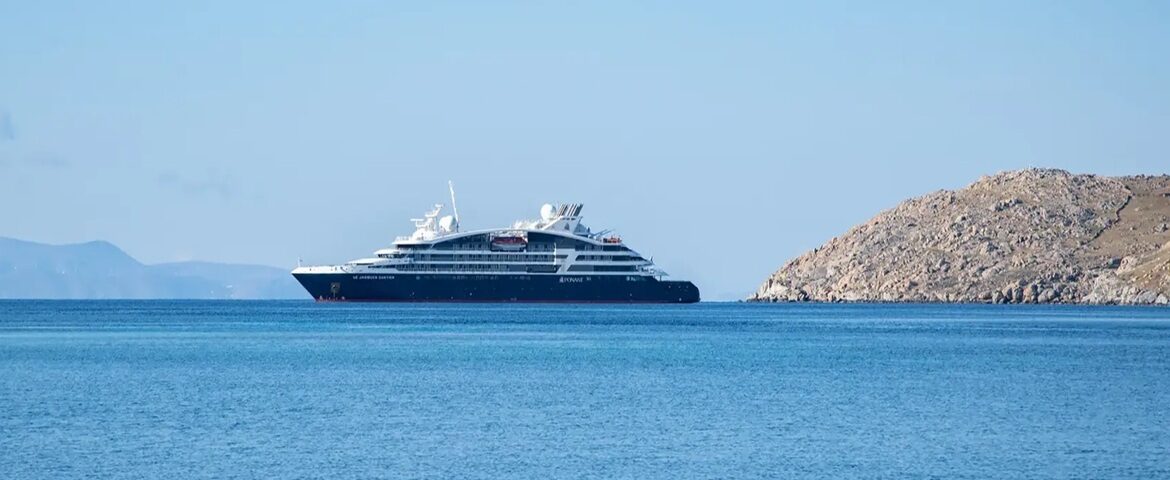
Solomon Islands | Cruise Port Guide

The sea in the strait is glassy, and nothing suggests that it covers one of the largest marine graveyards in the Pacific. Off Honiara, the waters of Ironbottom Sound shelter dozens of wrecks of ships and aircraft lost during the Guadalcanal campaign. The Solomon Islands, a string of nearly a thousand islands stretching southeast of Papua New Guinea, thus blend military memory, living Melanesian cultures and nature that remains untamed.

Honiara, the main port call

Most ships dock at the Honiara wharf, in the capital, on the island of Guadalcanal. Downtown can be reached on foot in a few minutes: a lively main street, simple shops, Chinese grocery stores and one of the liveliest markets in the South Pacific. Under the corrugated roofs of the central market, stalls overflow with sweet potatoes, yams, lagoon fish, betel nuts and strings of shell money, still used in customary ceremonies. The national museum, modest and endearing, presents ornaments, canoes and ritual objects from the various provinces. Bring water, a hat and a forgiving pace: the humid heat lays down the law, and it's also what gives late afternoons their softness.

In the footsteps of 1942

Guadalcanal still echoes with the battle between American and Japanese forces in 1942 and 1943, a major turning point in the Pacific War. On the heights of Skyline Ridge, the American memorial overlooks the city and the strait; orientation tables let you follow the course of the fighting by scanning the horizon. Farther on, Bloody Ridge preserves monuments and panels on the battlefield itself, in a landscape of tall grass swaying in the wind. At the Vilu open-air museum, an hour's drive to the west, guns, aircraft wrecks and memorials from both sides rust side by side beneath the palm trees.

Waterfalls, gardens and seashore

Nature offers a welcome counterpoint. Mataniko Falls, reached by a guided walk from the outskirts, tumble down the rock with a refreshing roar, with caves and pools to boot. The botanical gardens, near the centre, line up orchids, ferns and immense trees in a welcome cool shade. Divers, for their part, come from all over the world to explore the wrecks and coral reefs: some Second World War wrecks lie at depths accessible even to snorkellers, from the beaches of the west coast. A mask and snorkel are enough to glide over coral-covered guns, a striking shortcut between history and marine life.

Beyond Guadalcanal

Depending on the itinerary, some ships visit other islands in the archipelago: the emerald lagoons of Marovo, among the largest enclosed lagoons in the world, or villages where residents welcome visitors by canoe, with dances and flower garlands, in settings of white sand and leaning coconut palms. Each community keeps its customs, its language and its crafts, with mother-of-pearl-inlaid woodcarvings among the finest souvenirs in the Pacific.

  • History: American memorial, Bloody Ridge and the Vilu museum.
  • Local life: central market, national museum and botanical gardens.
  • Nature and sea: Mataniko Falls, snorkelling over wrecks, village crafts.

Leaving the strait

At departure, the sun sets over Ironbottom Sound and gilds a sea that has become peaceful again. Children wave from their canoes, and the island's hills fade into the heat haze. You leave the Solomons with a rare blend: the gravity of places of remembrance, the warmth of encounters and the raw beauty of islands that mass tourism has not yet transformed.

Frequently Asked Questions

Most at the Honiara wharf, the capital, on Guadalcanal. The town centre is a few minutes' walk away. Depending on the itinerary, some ships anchor instead at Gizo, in the Florida Islands or in Marovo Lagoon.
A chain of nearly a thousand islands strung out southeast of Papua New Guinea, in the South Pacific. Military memory, living Melanesian cultures and wild nature all sit side by side.
The strait off Honiara where dozens of ships and aircraft sunk during the Guadalcanal campaign of 1942 and 1943 still lie. The nickname comes from that accumulation of wrecks: it is one of the largest marine graveyards in the Pacific.
The American memorial at Skyline Ridge with its orientation tables, Bloody Ridge with monuments on the battlefield itself, and the open-air museum at Vilu, an hour's drive west, where guns and aircraft frames from both sides rust side by side.
Yes. Some Second World War hulls lie at depths reachable even by snorkellers, straight off the beaches of western Guadalcanal. Mask and snorkel are enough to float over coral-covered guns.
The Mataniko Falls, reached by a guided walk from the Honiara outskirts, with caves and pools. The botanical gardens near the centre offer orchids, ferns and welcome shade.
Wood carvings inlaid with mother-of-pearl, among the finest souvenirs in the Pacific, and strings of shell money still used in customary ceremonies. Honiara's central market is the best starting point.
One of the largest enclosed lagoons in the world, visited on some itineraries. Villagers greet visitors by canoe with dancing and flower garlands, against a backdrop of white sand and leaning coconut palms.
Hot and humid year-round, with no real cool season. The heat sets the pace: bring water, a hat and a forgiving schedule. Late afternoons are the gentlest part of the day.
The Solomon Islands dollar, in cash: cards are of little use outside hotels. English is the official language, Solomon Pijin serves as the common tongue, and dozens of vernacular languages coexist across the provinces.