Alcudia Majorca Island Balearic Spain

41 Cruises availables At departure or passage at this port

Silversea Cruises (31 Cruises)
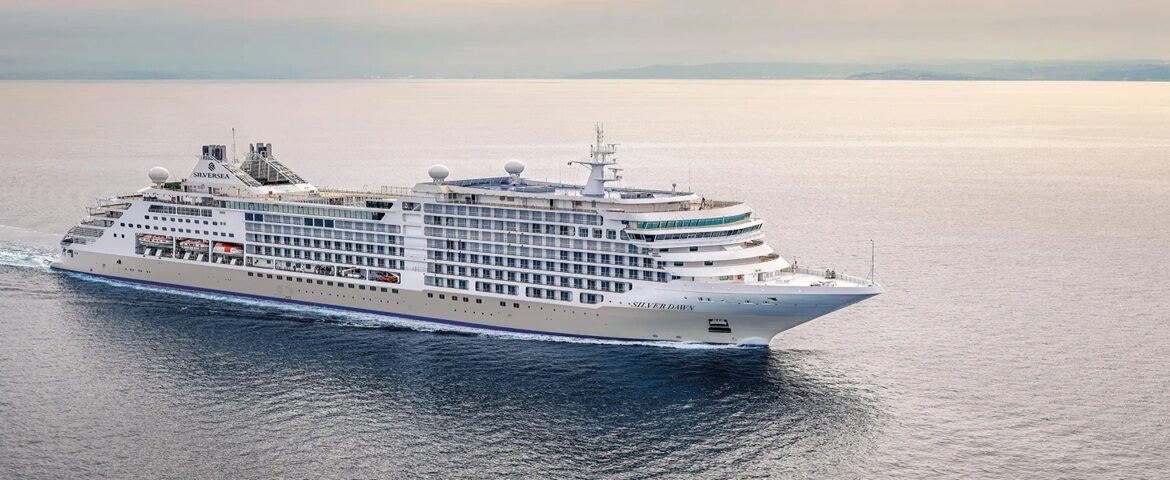
Mallorca has two faces, and Alcúdia Bay brings them together: on one side, fourteen kilometres of blonde sand stretching toward Can Picafort; on the other, a medieval city ringed by ramparts where the Romans had already established their island capital. Ships anchor in this wide bay off the island's north, and tenders deposit passengers at Alcudiamar marina, between sailing masts and shaded terraces, at good distance from Palma's bustle.

Two Directions, One Dilemma

From the moment you disembark, you must choose: the main beach lies about ten minutes' walk from the dock, while the fortified old city demands twenty to thirty minutes on foot, or a few euros for a taxi. The two combine easily within a single day, the main thing being to keep energy for the rampart walk, the signature moment of the port of call.

The Tour of the Ramparts

Raised in the fourteenth century by order of King Jaume II, the ramparts completely enclose the old core. The sentinels' path can be walked almost entirely, free of charge, and offers plunging views over tile roofs, bell towers and the agricultural plain stretching to the mountains. You enter the city by two Gothic gates, the Porta del Moll on the sea side and the Porta de Mallorca on the land side, both flanked by square towers that have not moved in seven centuries. Early morning, before the groups arrive, you often have the guard path to yourself, with swallows as your only company.

Lanes, Patios and Market Days

Inside the walls, the paved lanes line seigneurial houses with Renaissance windows, art galleries and braided sandal shops. Tuesdays and Sundays, the market spills from the squares: cracked olives, sheep cheese, ensaimadas sprinkled with sugar and worked leather draw as many locals as passing visitors. Producers from the plain bring apricots, ramellet tomatoes and almonds, and nearby cafés serve carquinyoli alongside iced coffee. It is the most lively moment of the week, and the best for grasping local life.

Pollentia: The Roman City

Just outside the ramparts, the vestiges of Pollentia recall that the bay was conquered by Rome in 123 BCE. Atrium houses, forum and a small theatre carved into the rock can be toured in an hour, complemented by a monographic museum installed in the former enclosure. Archaeologists still work there each summer, and it is not rare to glimpse a team at work behind the excavation cordons. Few sites let you pass so quickly from the medieval city to ancient urbanism: here, thirty metres suffice.

Time for a Swim

Return to the sea to conclude the day: the great Alcúdia beach unrolls its sand in a gentle slope, ideal for families, with a view of the reliefs of Formentor Cape. Lovers of calm will venture to the coves of Cap des Pinar, while the gourmands will settle at the port before a paella or "pa amb oli" garnished with ham and island cheese. The turquoise water, little agitated in this protected cove, lends itself to children and serious swimmers alike.

What the Bay Leaves in Memory

As the tender regains the ship, the ramparts gilded by evening stand out above the masts, and the lights of the waterfront begin to sparkle on the calm water. Alcúdia will have offered a lesson in balance: Rome and the Middle Ages in the morning, the Mediterranean in the afternoon, and between them that mixture of gentleness and seriousness that characterises the north of Mallorca.

Frequently Asked Questions

It doesn't: ships anchor in the wide bay on the island's north coast and tenders land passengers at the Alcudiamar marina, among sailboat masts and shaded terraces.
Twenty to thirty minutes on foot, or a few minutes by taxi. The main beach, by contrast, is about ten minutes' walk from the landing: you choose your direction as you step ashore.
The walls raised in the 14th century on the orders of King Jaume II, which enclose the old core completely. The sentry path can be walked almost in full, free of charge, with views down over tiled roofs and the farming plain.
Through two Gothic gates: the Porta del Moll on the sea side and the Porta de Mallorca on the land side, both flanked by square towers unchanged in seven centuries.
Early morning, before the coach groups arrive. You often have the rampart walk to yourself, with only the swallows for company.
The remains of the Roman city founded after the conquest of 123 BC, just outside the walls: atrium houses, a forum and a small theatre cut into the rock, with a dedicated museum. Allow an hour.
Tuesdays and Sundays. Cracked olives, sheep's cheese, ensaimadas, worked leather, apricots, ramellet tomatoes and almonds from the plain: it is the liveliest moment of the week and the best for catching local life.
Yes. The main beach runs fourteen kilometres of gently shelving sand towards Can Picafort, with the Formentor headland in view. The water is calm in this sheltered bay and suits children well.
A paella or a pa amb oli with island ham and cheese, at the tables along the harbour. Nothing complicated, and steps from the landing.
Very much so. The beach shelves gently and the water is calm, the walls make a natural game, and distances stay short. This is northern Majorca, well away from the bustle of Palma.