El Hierro Island Puerto de la Estaca, Canary Islands

27 Cruises availables At departure or passage at this port

Windstar Cruises (22 Cruises)

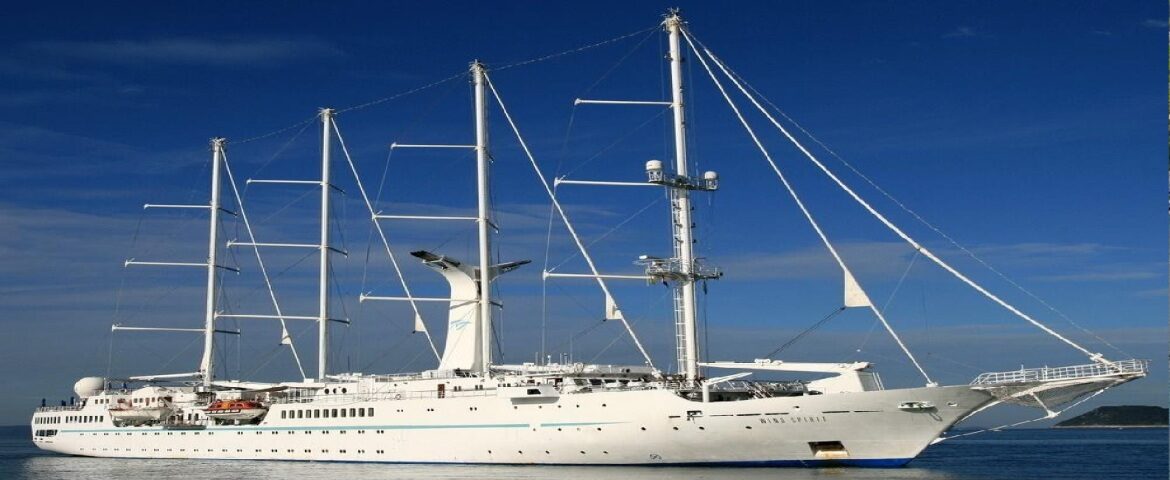
Wind Spirit

Wind Spirit

249 Passengers
5736 tons
Visit the ship's page

There's still, in the Canary Islands, an island where no hotel tower blocks the horizon. El Hierro, the most isolated island in the archipelago, welcomes ships at a small pier set against dark volcanic slopes: Puerto de la Estaca. There's no gleaming terminal here, no row of shops. A dock, the mountain, the Atlantic. Passengers stepping ashore understand within minutes: this day will be devoted to landscapes, legends, and the silence of the heights.

Valverde, a Capital in the Clouds

The road climbs in switchbacks for nearly nine kilometres, about a twenty-minute drive, before reaching Valverde. Uniquely among the Canary Islands, this capital of barely two thousand people turns its back to the sea, perched on the mountainside. Visitors can take in the Church of Santa María de la Concepción, built in the eighteenth century, the town hall with its traditional Canarian architecture facing it, and the Casa de las Quinteras, an ethnographic centre devoted to trades of the past. The streets are best explored unhurried, often as clouds drift past the surrounding peaks. Locals are quick to greet the rare visitor: this is a world away, a long way away, from the crowds of the larger neighbouring islands.

The Mirador de la Peña, a Work by Manrique

On the northern rim, the Mirador de la Peña showcases the genius of César Manrique, the Lanzarote-born artist who reconciled architecture and nature across the whole archipelago. Volcanic stone, large glass windows, and integrated vegetation: the building hugs the cliff face and opens onto the Golfo, an immense depression carpeted with vineyards and orchards that ends in the ocean. The restaurant on site serves Canarian cuisine where fish takes the spotlight; booking a table here turns the meal into a scenic overlook. The spot invites a long pause: sit facing the sea, coffee in hand, and let time stretch out.

Garoé, the Tree That Gave Water

In the highlands of San Andrés grows the heir to a legend: the Garoé, the sacred tree of the Bimbache people, the island's first inhabitants. Its leaves captured moisture from the trade winds, the famous "horizontal rain," in quantities enough to supply the whole population with water. A hurricane felled the original tree in the seventeenth century; a til tree replanted in 1949 keeps the myth alive, alongside an interpretive centre explaining this remarkable phenomenon. The detour immerses visitors in the mists of the laurel forest, worlds away from the usual image of the Canaries. Hiking trails wind through the surrounding area for those wishing to linger a little longer in the damp forest.

La Restinga, the Very Edge of Spain

Right at the southern tip, La Restinga occupies the southernmost point in the country. This fishing village has built a worldwide reputation among divers: its waters rank among the richest and best preserved in the archipelago, home to rays, groupers, and moray eels. In 2011, an underwater volcanic eruption occurred three kilometres offshore; an interpretive centre tells the story of those dramatic months. Even without diving gear, visitors come here to eat fresh fish facing the fishing boats. The drive there runs from north to south and unfolds a mosaic of landscapes, from high-altitude pine forests to lava fields sloping down toward the coast.

Route from Puerto de la EstacaApproximate Distance
Valverde9 km, about 20 minutes
Mirador de la PeñaNorthern side, via Valverde
La RestingaSouthern tip, via the inland road

As the ship casts off, the island returns to its own quiet company, its vineyards buffeted by the trade winds, its seabed untouched. El Hierro has nothing to sell, save for a certain idea of slowness. Those who've climbed its switchback roads carry home a lasting memory: that of a place that has stayed true to what islands were before us.

Frequently Asked Questions

At Puerto de la Estaca, a small pier backed by dark volcanic slopes on the island's east coast. There is no terminal and no row of shops — just a quay, the mountain and the Atlantic.
Not really. Everything is done by tour or taxi. Valverde, the capital, is about nine kilometres away on a switchback road, roughly twenty minutes.
Valverde plus the Mirador de la Peña is the fullest outing in that window. If you can only pick one stop, take the mirador: the view over the El Golfo depression is the island's strongest image.
A viewpoint designed by César Manrique, the artist who shaped so much Canarian architecture. Volcanic stone, wide windows, planting built into the structure, and below it the vast El Golfo bowl of vineyards and orchards running down to the ocean. The on-site restaurant serves Canarian cooking built around fish.
Because it turns its back on the sea. Perched on the mountainside, it is the only Canarian capital that is not coastal. Two thousand residents, the eighteenth-century church of Santa María de la Concepción, the Casa de las Quinteras ethnographic centre, and clouds drifting through the lanes.
The sacred tree of the Bimbaches, the island's first inhabitants. Its leaves caught moisture from the trade winds — the so-called horizontal rain — and supplied the whole population with water. A hurricane felled the original in the seventeenth century; a laurel replanted in 1949 keeps the legend alive, with an interpretation centre on site.
La Restinga in the south ranks among the archipelago's best dive sites: rays, groupers, morays, remarkably intact seabeds. Fitting a scuba dive into a port call is tight; snorkelling from shore is more realistic, and the village is worth visiting for the fresh fish alone.
Only moderately. Winding roads and long transfers tire small children, and there is no classic sandy beach near the port. With teenagers who like nature and hiking, it is a different story.
The euro and Spanish. English is not widely spoken outside tourist sites — this is the most remote of the Canaries and tourism stays low-key. Carry some cash, as smaller businesses do not all take cards.
Almost any time of year; the Canaries have very small temperature swings. The highlands are often in cloud, including in summer, while the coast stays clear. Bring an extra layer if you head up to Valverde or the Garoé.