Roses Spain Costa Brava

51 Cruises availables At departure or passage at this port

Seabourn Cruise Line (36 Cruises)

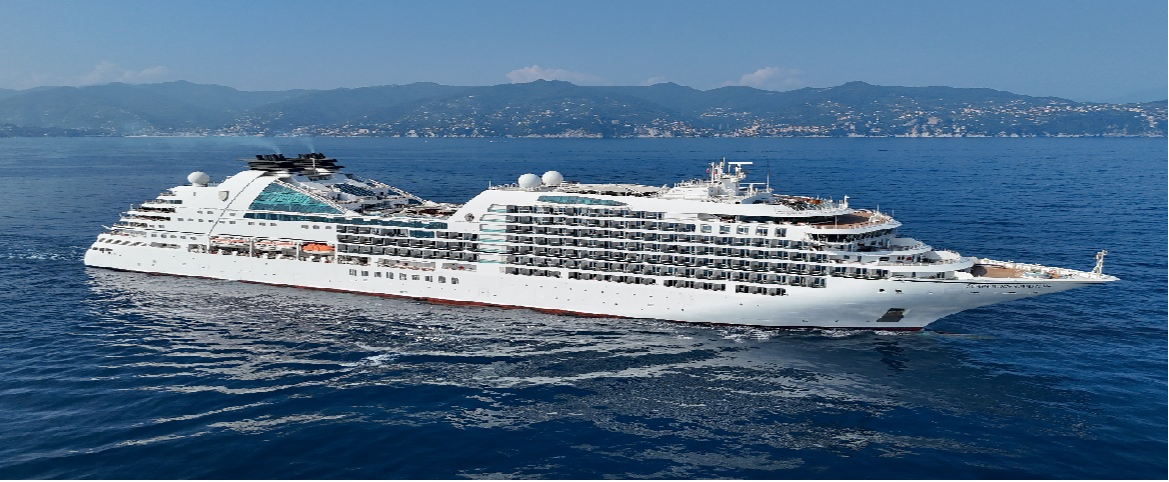
Seabourn Ovation.

Seabourn Ovation

40350 tons
Visit the ship's page

Roses Spain | Costa Brava Beaches & Mediterranean Cruise Guide

The bay opens like an amphitheatre. To the north, the last foothills of the Pyrenees plunge into the Mediterranean; to the south, a long curve of sand runs toward the marshes of the Empordà. Roses sits in the hollow of this generous Costa Brava bay, a short distance from the French border, and ships anchor offshore: tenders drop passengers a stone's throw from the centre, facing the promenade.

An arrival with your feet in the water

The tender landing touches the beach-town heart of the resort. The waterfront promenade stretches out immediately to the left and right, lined with palm trees, sculptures and terraces. The main beach begins right there, with soft sand and calm water, so passengers who love to swim can lay out their towels five minutes from the landing point. The fishing port, a little farther on, keeps its fleet active: in the late afternoon, the fish auction comes alive as the trawlers return.

La Ciutadella, two and a half thousand years in a single place

At the western entrance to the resort, a vast star-shaped fortified enclosure holds an unusual archaeological site. The Greeks founded the trading post of Rhode here more than two thousand years ago; the Romans, medieval monks and then the military engineers of the Renaissance each built their own layer on top. You can wander freely through the Ciutadella between Hellenic remains, the ruins of a Romanesque monastery and 16th-century ramparts, with a small museum to tie it all together. The site can be explored in an hour and gives the beach resort unexpected historical depth.

Sand, coves and a castle above the sea

The coastline offers every kind of swimming: a large family beach in front of the promenade, more intimate coves toward the rocky point, transparent waters near the Almadrava. Above the coast, the Castell de la Trinitat, a star-shaped 16th-century fortress, once guarded the entrance to the harbour; the climb offers the finest view of the bay and the resort's rooftops.

Cadaqués and Cap de Creus, Dalí's escape

The port call's most popular excursion crosses the mountain to Cadaqués, about thirty minutes away by road: a village of white houses huddled around its church, in a cove made famous by Salvador Dalí. The painter lived most of his life in the neighbouring bay of Portlligat, where his house with its giant eggs can be visited by reservation. Beyond lies the Cap de Creus Natural Park, a land's end of rocks twisted by the tramontane wind, also reachable on catamaran outings from the bay: cliffs, hidden coves and a swim stop are on the program.

At the table, between sea and Empordà

The local cuisine combines fish from the auction with produce from the hinterland: suquet de peix, a saffron fishermen's stew, anchovies from the coast, seafood rice dishes and crema catalana for dessert. Waterfront terraces serve it all facing the sea, with a glass of white wine from the Empordà.

One last look from the tender

On the way back to the ship, the tender offers the best summary of the day: the beach, the Ciutadella, the castle on its height and the mountains of Cap de Creus closing off the horizon. Roses isn't one of those port calls people talk about long in advance; it's one of those they talk about long afterward, precisely because no one expected it.

Frequently Asked Questions

By tender: ships anchor out in the bay and launches land passengers steps from the centre, facing the seafront promenade.
Yes. The tender landing touches the resort's seaside heart and the main beach starts right there, soft sand and calm water. Five minutes is enough to put your towel down.
The Ciutadella takes an hour to walk; the promenade and the beach fill the rest. If you would rather leave the resort, Cadaqués is about thirty minutes away and is worth the day.
A large star-shaped fortified enclosure holding an unusual archaeological site. The Greeks founded the trading post of Rhode here more than two thousand years ago; Romans, medieval monks and Renaissance military engineers each added a layer on top. You wander freely, with a small museum tying it together.
Yes, if you accept about thirty minutes of mountain road. It is a village of white houses gathered around its church in a cove made famous by Salvador Dalí. His house, in neighbouring Portlligat bay, can be visited by reservation.
A natural park beyond Cadaqués, a land's end of rock tortured by the tramontana wind. Cliffs, hidden coves and swim stops are the programme, also reachable by catamaran trips from Roses bay.
The Trinitat castle, a sixteenth-century star-shaped fortress that once guarded the entrance to the roadstead. The climb gives the finest view over the bay and the rooftops of the resort.
The wide family beach in front of the promenade for convenience, the smaller coves towards the rocky point for quiet, and Almadrava for the clarity of the water. The coastline covers just about every kind of swim.
Suquet de peix, a saffron fishermen's stew, coastal anchovies, seafood rice and crema catalana for dessert. The seafront terraces serve it all with an Empordà white. The fishing harbour still keeps a working fleet, and the auction comes alive when the trawlers return.
Yes, one of the easiest on the Costa Brava. Landing five minutes from the sand, calm water, a flat promenade and a fortress to explore. Only the tender transfer asks for a little patience.