Dili East Timor
Timor-Leste
22
Cruises availables
At departure or passage at this port
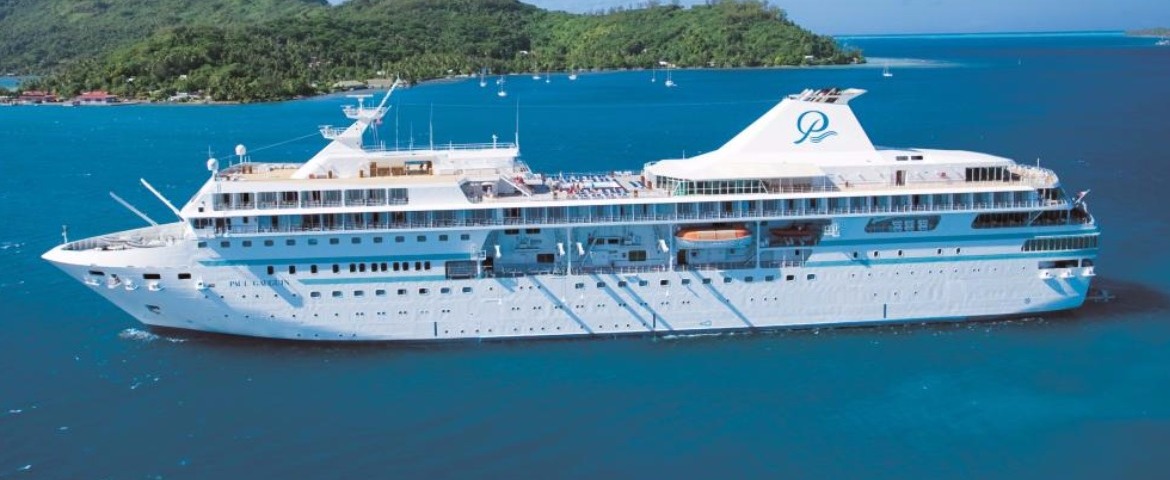
Paul Gauguin Cruises (2 Cruises)

Ponant (4 Cruises)


Windstar Cruises (16 Cruises)
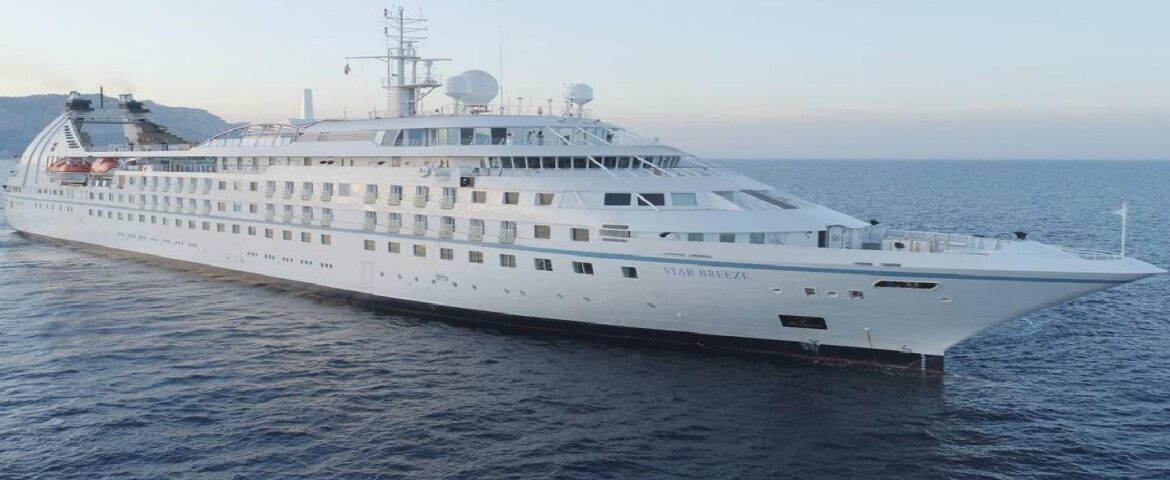
Star Breeze
16 Cruises


Port of Dili, Timor-Leste | Cruise Port Guide
Frequently Asked Questions
At the port in the very centre of the capital, facing the waterfront. A few steps take you to a promenade shaded by banyans and busy with coconut sellers. It is one of the most convenient calls in Southeast Asia: the whole heart of Dili is walkable.
Most of the city. The waterfront, the tais market, the Resistance Museum, Motael church and the Government Palace are all reachable without a vehicle. Dili has more scooters than cars and is best taken slowly, at the pace of a capital where people greet each other across the street.
The Resistance Museum first, then the climb to Cristo Rei and a swim at Areia Branca on the way back. The museum illuminates everything else about the call: the flags in windows, the quiet pride of the people, the murals honouring national heroes even on school walls.
A statue of Christ standing on a headland at the entrance to the bay, given in the 1990s and now the country's emblem. The staircase has roughly 500 steps. This is no casual stroll under an equatorial sun: climb early or late in the day, with water and a hat.
Because without it you don't understand Timor-Leste. It recounts, soberly, the quarter-century of Indonesian occupation and the long struggle for independence, through photographs, documents and testimony. The visit stays with you, and that is the point.
Yes, Areia Branca, at the foot of Cristo Rei at the eastern end of the bay. Its white sand and clear water are the natural reward after the 500 steps. On a clear day the island of Atáuro stands out offshore, known to divers for the richness of its reefs.
The US dollar, which greatly simplifies the day for North American travellers. Bring small notes: change for a twenty is often impossible at the market. Cards are accepted only in a handful of central hotels and restaurants.
Tetum and Portuguese are the official languages, and Indonesian remains widely used. English works in hotels and with guides, less so on the street. A few words of Portuguese are often better received than English, for reasons the Resistance Museum explains well.
Yes for a day ashore, with the usual urban precautions. The real challenge is not safety but infrastructure: few air-conditioned taxis, little signage, almost nothing designed for cruise passengers. Asia's youngest country, independent since 2002, is opening slowly to travellers, and that is exactly what makes the call worthwhile.
May to November, the dry season: clear skies, calm seas and bearable heat. From December to April the monsoon brings heavy downpours and a thick humidity that makes the 500 steps to Cristo Rei far less inviting.


