Charlotteville Tobago
Trinidad & Tobago
13
Cruises availables
At departure or passage at this port
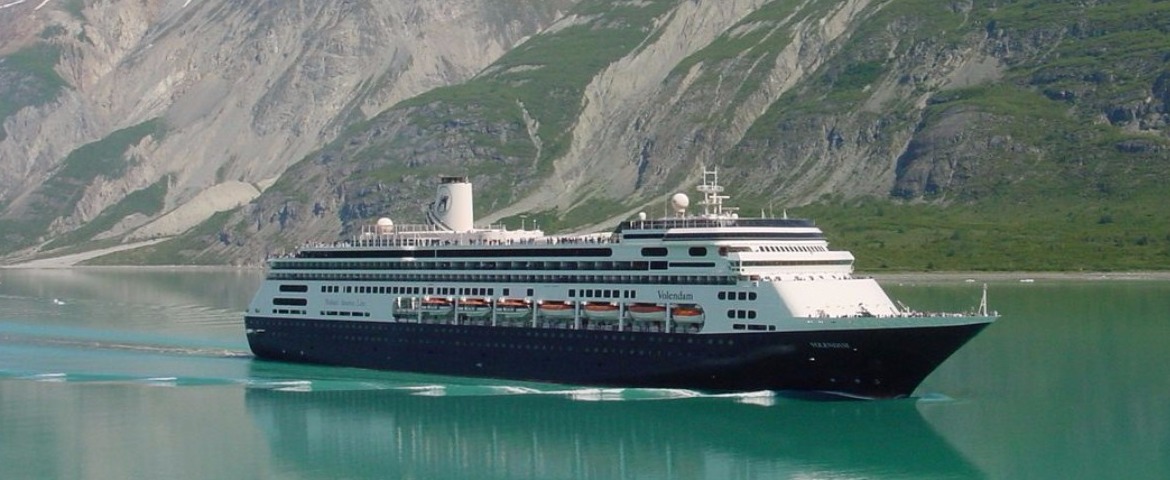
Holland America Line (1 Cruises)

Star Clippers (12 Cruises)
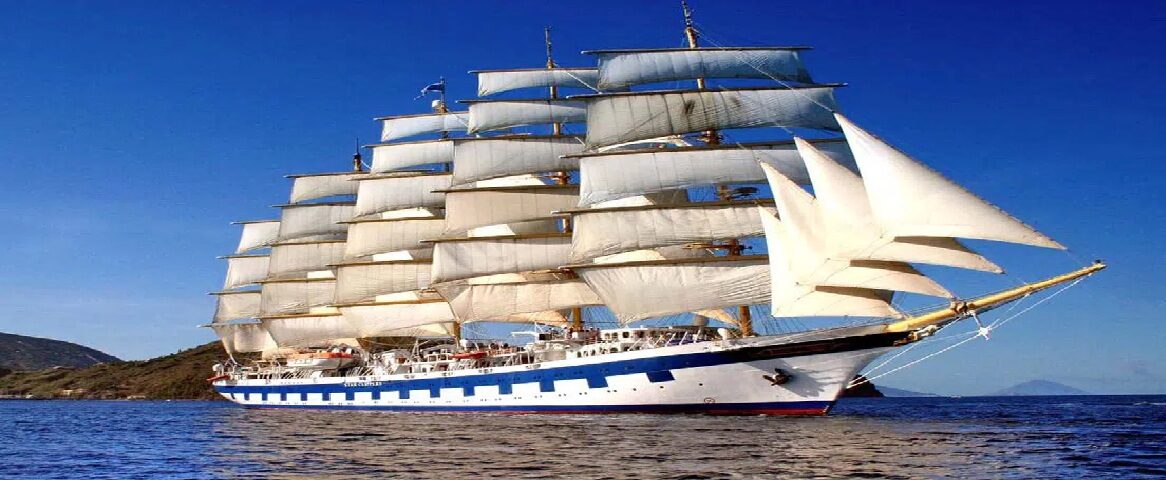

Star Clipper
10 Cruises
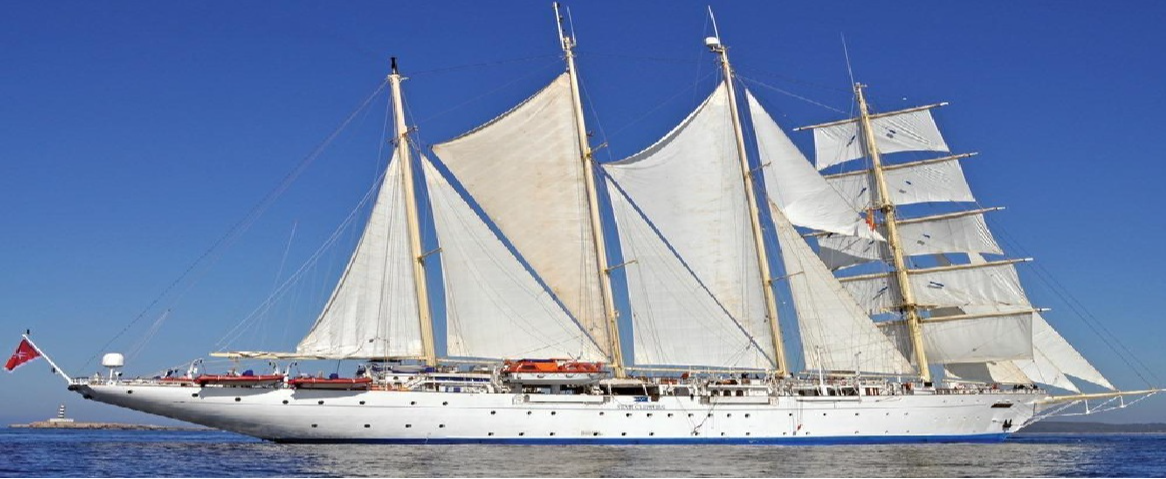
| 27 January | 11 days | One-way from Oranjestad Aruba to St Georges Grenada |
450-628-6241
Call us
|
| 27 January | 10 days | One-way from Oranjestad Aruba to St Georges Grenada |
450-628-6241
Call us
|

Port of Charlotteville, Trinidad and Tobago | Cruise Port Guide
Frequently Asked Questions
It doesn't dock: smaller ships anchor in Man-O-War Bay and run tenders to the village's small jetty. Five minutes across and you step ashore at the northeastern tip of Tobago, in one of the most unspoiled corners of the southern Caribbean.
No, and it's worth knowing before you go ashore. There is no terminal and no shopping arcade: the main street runs along the beach, lined with wooden houses, family groceries and small kitchens. Charlotteville is a fishing village in the literal sense, not a port built for cruise traffic.
The fish market late in the morning, a grilled fish lunch on the main street, then the walk down to Pirate's Bay with mask and snorkel. It is a simple plan, entirely on foot, and it is the best use of a call here.
A crescent cove north of the village, said to have sheltered buccaneers and to have served as a set for the 1952 Robinson Crusoe film. You reach it by a path and then a staircase of about 165 steps. A water taxi spares you the stairs if you'd rather arrive by sea, and it's money well spent on the way back.
Very good. At Pirate's Bay the water reaches a rare clarity, coral grows a few metres from shore and reef fish are abundant: it is one of the best snorkelling sites on the whole island reachable on foot. Bring your mask from the ship, as rentals aren't guaranteed.
Tuna and wahoo being weighed amid a cheerful din of haggling, as the pirogues come in, usually late in the morning. The best kitchens in the area buy straight off the beach. Locals strike up conversation easily, curious to know where the ship anchored off their village has come from.
Yes if you have the legs or a taxi. This former military lookout is about forty minutes on foot up a steep but marked track, or ten minutes by taxi. The view drops over Man-O-War Bay, the London Bridge and St. Giles islets pounded by the Atlantic, and the visible meeting of the two seas that frame Tobago.
The oldest protected tropical forest reserve in the world, safeguarded since 1776, against which Charlotteville sits. That status, predating almost all modern conservation, is a curiosity in itself. The surrounding gardens are fragrant with nutmeg and cocoa, grown in small family plots.
The Trinidad and Tobago dollar, and you need cash. In a village this size, kitchens, water taxis and groceries don't take cards, and the nearest ATM is not around the corner. US dollars sometimes circulate, but at the seller's rate.
English, the official language of Trinidad and Tobago, often coloured by a fast-spoken local English creole. French is not used. Locals are welcoming and happy to talk: asking directions is the easiest way to start a conversation.


