Plymouth UK England
United Kingdom

34 Cruises availables At departure or passage at this port

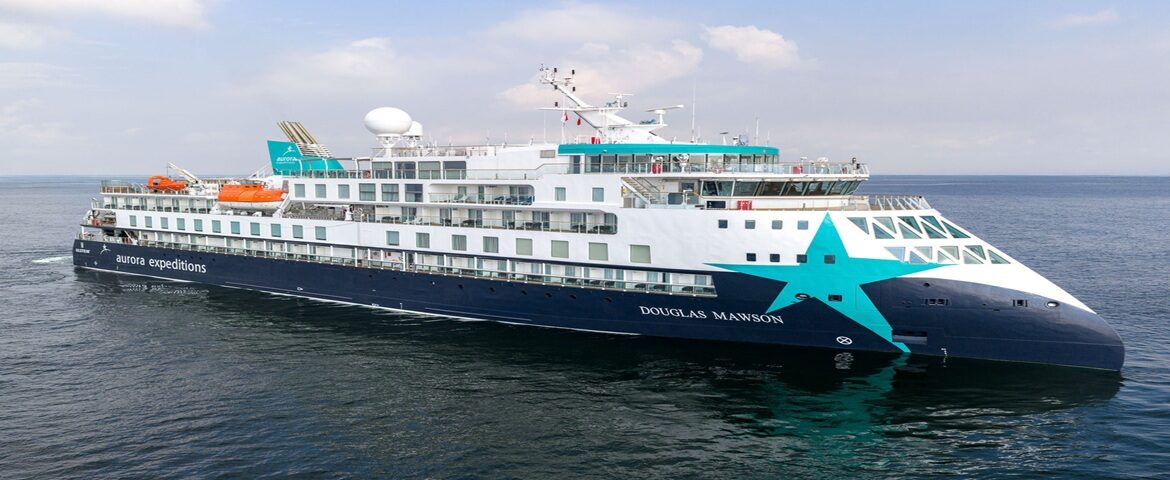
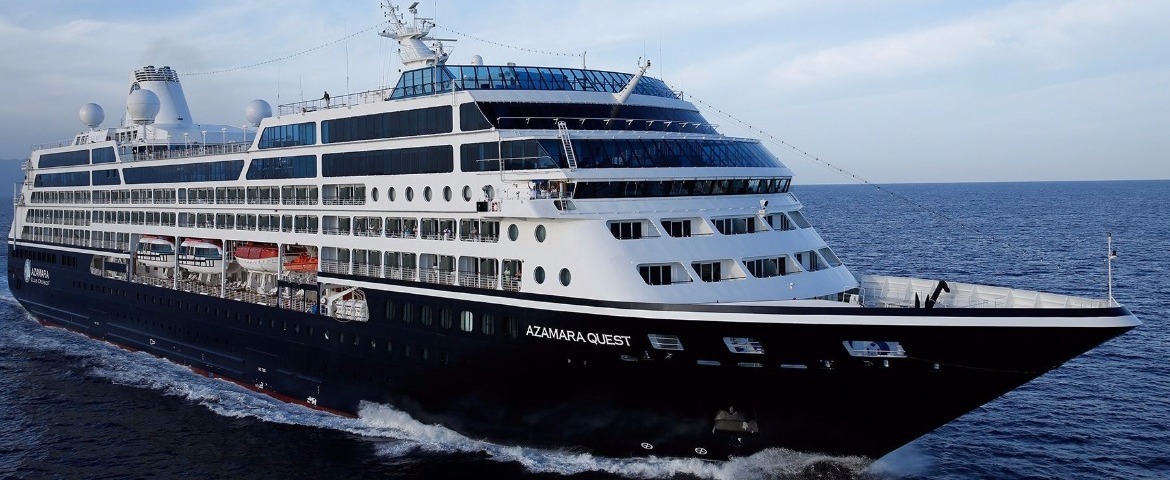
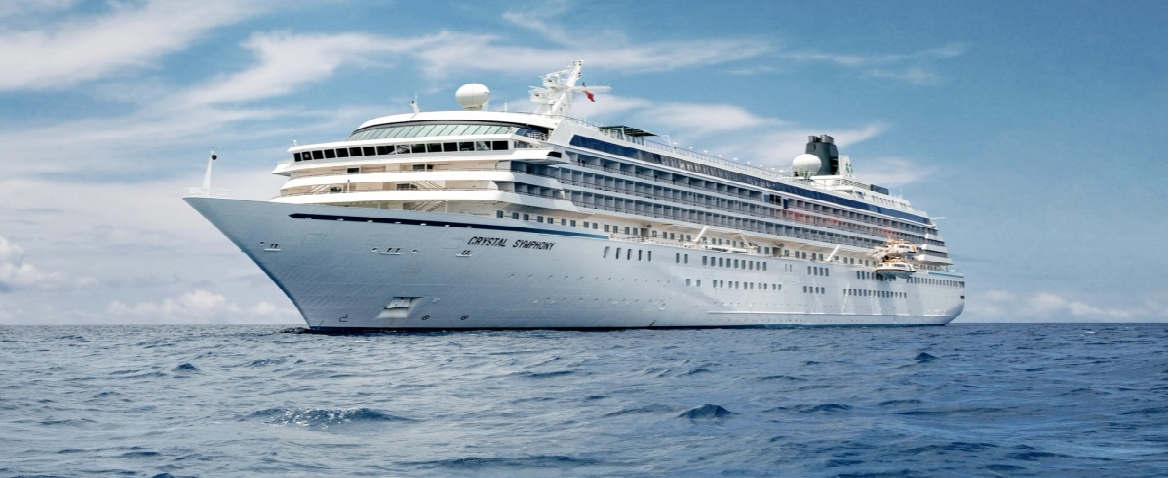
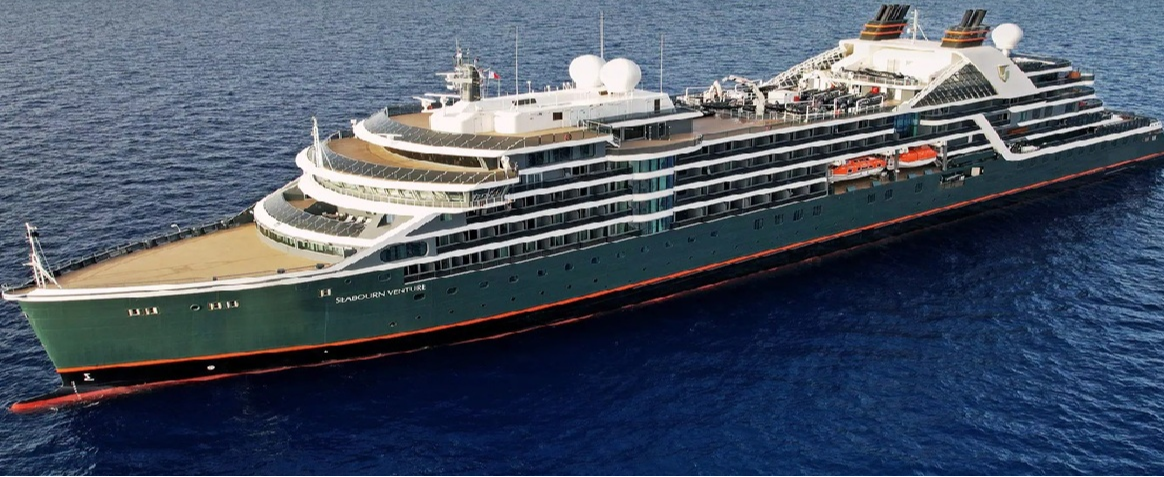
Seabourn Cruise Line (26 Cruises)

Plymouth, England | Maritime Cruise & Travel Guide

In 1620, a handful of colonists left this shore aboard the Mayflower to found New England. Four centuries later, you approach Plymouth across the same stretch of water, the Sound, a deep anchorage guarded by a breakwater and green hills. Mid-sized ships moor at the Millbay docks, about two kilometres from the centre; the largest anchor in the Sound and bring their passengers ashore by tender to the Barbican landing, right in the historic quarter.

The Hoe, a balcony over the Sound

Start with the esplanade of the Hoe, a vast lawn on high ground where, according to legend, Francis Drake finished his game of bowls before facing the Spanish Armada in 1588. The red-and-white striped tower standing there, Smeaton's Tower, is a former lighthouse from the Eddystone reef, dismantled and then rebuilt here in 1877. Climbing its narrow steps offers the best panorama of the day: the Sound, the breakwater offshore and the ferries gliding toward Brittany; in fine weather, dozens of white sails enliven the water. Just behind, the walls of the Royal Citadel, a 17th-century fortress still occupied by the army, recall the site's defensive role.

The Barbican, Elizabethan cobblestones and gateway to America

Below the Hoe, the old Barbican quarter survived the bombing that flattened the modern centre in 1941. Its cobbled lanes, New Street first among them, line up old houses, art galleries and seafood counters around Sutton Harbour, the city's original port. Facing the water, a stone portico marks the Mayflower Steps, the symbolic departure point of the Pilgrim Fathers; a nearby exhibition traces their crossing and the ties forged with America ever since. A few steps farther, the Black Friars Distillery, where Plymouth Gin has been made since 1793, opens its still to the curious in a former monastery. On New Street, the Elizabethan House, a narrow, carefully restored sea captain's home, offers a glimpse into daily life in the 1600s, sloping floors and period furniture included.

The National Marine Aquarium and the view out to sea

Across a footbridge, the National Marine Aquarium, the largest in the United Kingdom, dives into the waters of the English Channel and faraway reefs. Its deep tanks impress children and adults alike, and the outing fits easily into a port call of a few hours; allow about two hours to tour it without rushing. It is also a way to understand what has always defined the city: here, everything comes from the sea and everything returns to it, from the cod fishers of yesteryear to today's research vessels.

Suggestions depending on the time available

  • Two hours: the Hoe, Smeaton's Tower and a loop through the Barbican's lanes.
  • Half a day: add the aquarium or the distillery, then fish and chips facing Sutton Harbour.
  • Full day: head by motorcoach to the moors of Dartmoor National Park, about thirty minutes by road, where free-roaming ponies and granite tors make up a completely different setting.
  • From Millbay: the Royal William Yard, a former naval victualling yard converted into restaurants and galleries, can be reached in about twenty minutes on foot.

One last look

As the ship heads back out across the Sound, your gaze follows the coast of the Hoe to the striped lighthouse, then drifts out to sea, exactly like that of the families who watched the Mayflower sail away. Bombed and rebuilt, the city has never turned its back on the sea that made it. Plymouth leaves that particular impression of departure cities: you do not end a journey here, you catch the urge to begin another.

Frequently Asked Questions

Mid-sized ships berth at Millbay docks, about two kilometres from the centre. Larger vessels anchor in the Sound and tender passengers to the Barbican landing stage, right in the historic quarter.
Start on Plymouth Hoe, then drop down to the Barbican: the two are minutes apart and hold most of what matters. Add the Black Friars distillery or the Elizabethan House depending on your interests.
A broad lawn overlooking the Sound where, according to legend, Francis Drake finished his game of bowls before facing the Spanish Armada in 1588. The red-and-white striped tower standing there, Smeaton's Tower, is a former Eddystone reef lighthouse, dismantled and re-erected here in 1877.
Yes, up narrow steps, and it gives the best panorama of the day: the Sound, the breakwater offshore and the ferries slipping away towards Brittany. In fine weather dozens of white sails animate the water.
Plymouth's old quarter, below the Hoe, which survived the bombing that flattened the modern centre in 1941. Its cobbled lanes, New Street chief among them, line up old houses, art galleries and seafood counters around Sutton Harbour, the city's first haven.
In 1620 a handful of colonists left this shore aboard the Mayflower to found New England. Facing the water, a stone portico marks the Mayflower Steps, the symbolic departure point of the Pilgrim Fathers; an exhibition nearby traces their crossing.
Yes, the Black Friars distillery, where Plymouth Gin has been made since 1793, in a former friary in the Barbican. It opens its still house to visitors, a few steps from the Mayflower Steps.
A 17th-century fortress overlooking the Hoe, still occupied by the army. Its walls recall the defensive purpose of the site and frame the esplanade. The interior is not freely open, but the exterior is part of the walk.
Yes. The Hoe lawn gives space to run, climbing Smeaton's Tower is a hit, and the national aquarium sits at the edge of the Barbican. Distances between sites are short and walkable.
Pound sterling and English. Cards are accepted everywhere, including at the Barbican seafood counters. Cash machines are plentiful in the centre.