Nome Alaska

14 Cruises availables At departure or passage at this port

Nome, Alaska | Cruise Port Guide

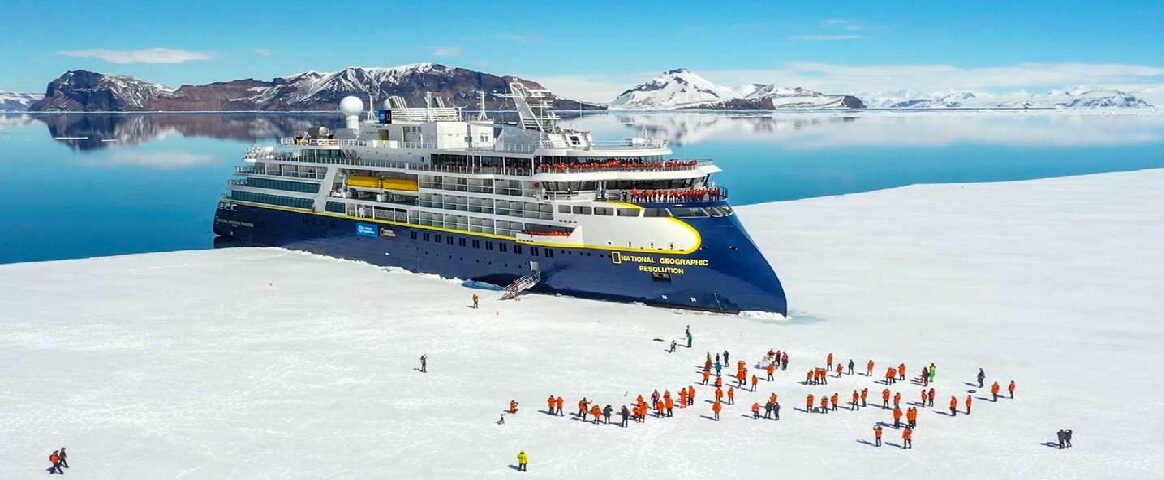
On the beach at Nome, you may still come across a gold seeker, shovel and pan in hand, digging through the grey sand facing the Bering Sea. The scene is no re-enactment: gold panning remains open to all here, a last echo of the rush that made this town spring from nothing in 1898, when tens of thousands of prospectors landed on this treeless shore in northwestern Alaska. Today a stop for expedition ships bound for the Arctic, the town is reached by tender, as ships anchor offshore.

Front Street and the Iditarod arch

The main street runs along the sea, lined with saloons with no-nonsense façades and shops that seem to have stood up to the wind for a century. In its centre stands an arch of gnarled birch: the finish line of the Iditarod, the legendary sled dog race that sets out from Anchorage every March, after more than 1,500 kilometres of trail. Out of season, the wooden arch remains the most photographed monument in the area, standing alone in the middle of the street, and residents happily tell of the night-time arrivals to the sound of the siren, when the whole town turns out to welcome the teams and their exhausted mushers, at three in the morning if need be.

The memory of the rush

The Carrie M. McLain Memorial Museum puts this singular destiny into perspective: photographs of the tent camps lined up on the beach, gold-panning tools and objects from the Iñupiat culture, which long predates and far outlasts the mining episode. The surrounding area keeps its own archives: enormous abandoned bucket-line dredges rust in the middle of ponds, and excursions along the gravel roads pass near the "Last Train to Nowhere," three steam locomotives frozen in the vegetation since the failure of an Arctic railway more than a century ago.

The tundra and its inhabitants

Set on the south coast of the Seward Peninsula, not far from the strait separating America from Asia, the community lives in isolation: three roads head inland without ever joining Alaska's road network, and supplies arrive by sea or air. This isolation is what attracts curious travellers. Within a few kilometres, the landscape opens up, dotted with salmon rivers and hills that turn golden from late August. Musk oxen sometimes grazing by the roadside, reindeer, foxes and remarkable birdlife — loons, snow buntings, sometimes a snowy owl — reward those who head out with a guide. Encounters with the Iñupiat community, the majority here, give the day its human dimension: drum dances, stories of bowhead whale hunting and walrus ivory carved with a delicacy passed down from generation to generation, often presented in the community hall or right on the beach.

Good to know

  • Landing is by tender; bring windproof clothing, even in midsummer.
  • Front Street, the museum and the arch can be explored on foot in an hour or two, craft shops included.
  • Tundra excursions, gold-panning demonstrations and wildlife viewing are booked through the ship.
  • Summers remain cool, around 10 to 15°C, and the weather changes quickly on the coast.

Heading for the strait

When the last Zodiac is due, your gaze lingers on this low shore where so many destinies were played out for a few ounces of metal. Nome embellishes nothing: it displays its rusty dredges, its wind and its endless horizons. It is a lesson in raw Alaska, and those who have walked it know they have touched something rare — the America of the far reaches, still standing tall facing the Bering Sea.

Frequently Asked Questions

By tender. Ships anchor offshore in the Bering Sea and expedition vessels ferry passengers in. Swell can cancel the landing: this is a call that is never fully guaranteed.
Yes, the town is small. Front Street runs along the shore with its saloons and stores, the Iditarod arch stands at its centre and the museum is minutes away. The tundra sites, however, need a vehicle and a guide.
Front Street and the Iditarod arch, the Carrie M. McLain Memorial Museum for the gold rush story, then a guided run along the gravel roads for musk oxen, rusting dredges and the Last Train to Nowhere.
Yes. Recreational gold panning remains open to all, and it is not unusual to see someone with shovel and pan facing the Bering Sea. It is the last living echo of the 1898 rush, when tens of thousands of prospectors landed on this treeless shore.
The finish line of the legendary sled dog race that leaves Anchorage each March and covers more than 1,500 kilometres of trail. The burled spruce arch stands in the middle of Front Street year-round and remains the most photographed landmark in the area.
Three steam locomotives abandoned in the vegetation since an Arctic railway failed more than a century ago. Gravel-road excursions pass close by, as they do the huge bucket dredges rusting among the ponds.
Musk oxen sometimes grazing at the roadside, reindeer, foxes and remarkable birdlife: loons, snow buntings, occasionally a snowy owl. Go out with a guide to improve your odds, since the animals are on the tundra rather than in town.
No. Three roads run inland but never join the Alaska highway network. All supplies arrive by sea or air, and that isolation explains much of the community's character.
Late June to early September, when the Bering Sea is ice-free. Late August turns the hills golden and shows the tundra at its best. Outside that window, no expedition ship calls here.
It is the majority here and gives the call its human dimension. Drum dances, bowhead whaling stories and walrus ivory carved with skill passed down through generations: these encounters often stay with passengers longer than the gold rush relics.