Weissenkirchen in der Wachau Austria
Austria
558
Cruises availables
At departure or passage at this port
AmaWaterways (477 Cruises)
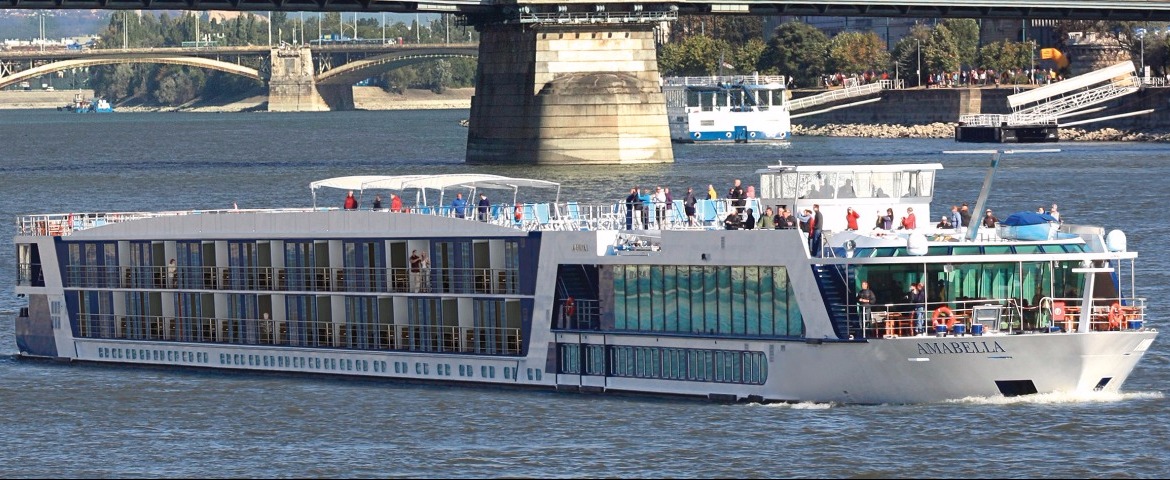
AmaBella
74 Cruises

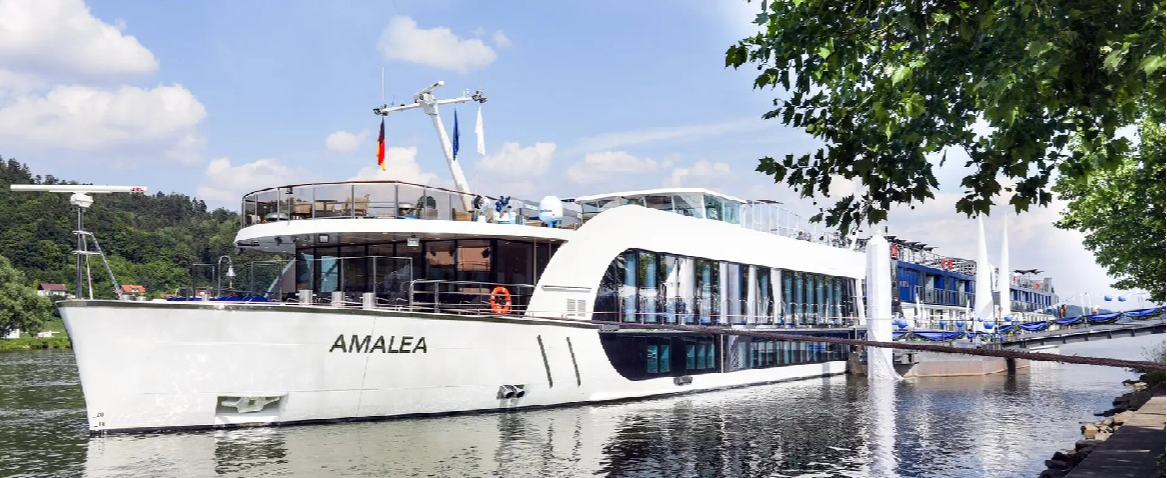
AmaLea
83 Cruises
| 17 April | 7 nights | One-way from Budapest to Vilshofen an der Donau |
450-628-6241
Call us
|
| 24 April | 7 nights | One-way from Vilshofen an der Donau to Budapest |
450-628-6241
Call us
|
| 24 June | 7 days | One-way from Budapest to Vilshofen an der Donau |
450-628-6241
Call us
|
| 24 June | 7 nights | One-way from Budapest to Vilshofen an der Donau |
450-628-6241
Call us
|
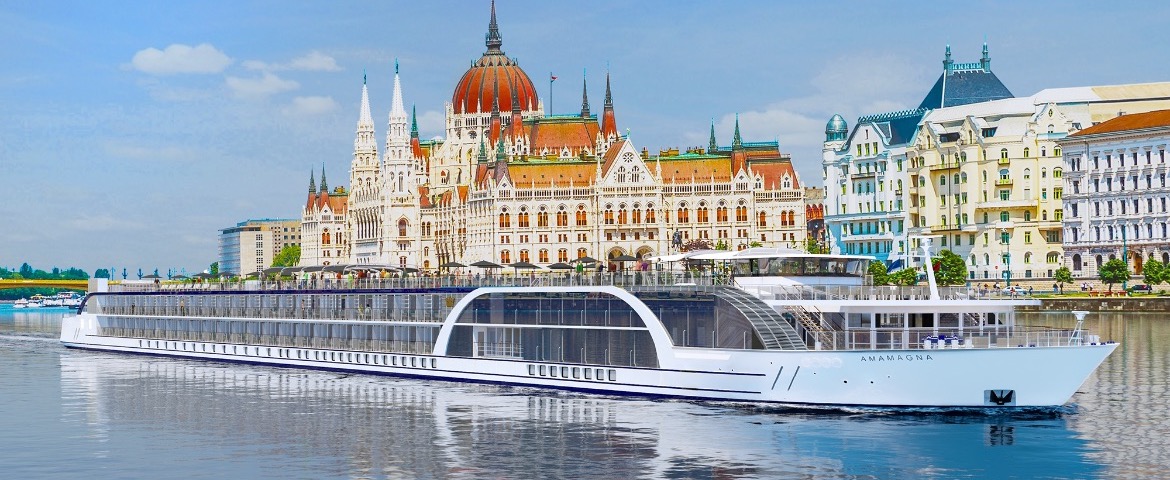
AmaMora
89 Cruises
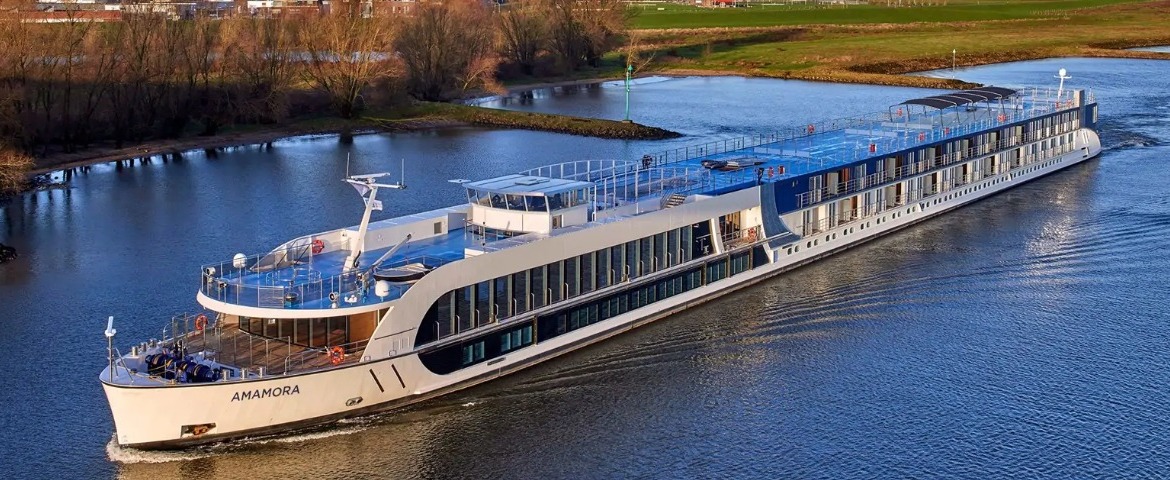
AmaReina
69 Cruises
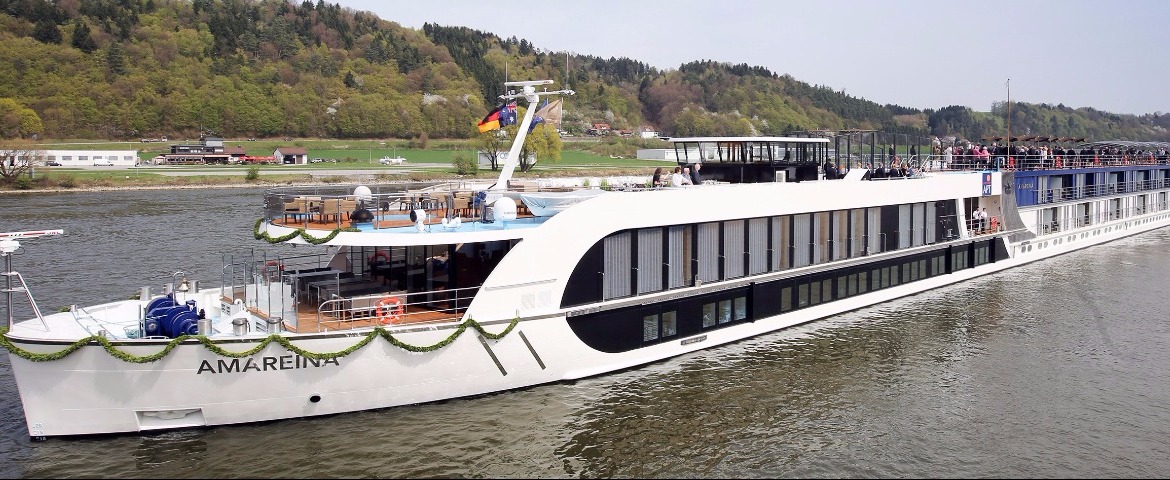
| 21 July | 7 nights | One-way from Budapest to Vilshofen an der Donau |
450-628-6241
Call us
|
| 28 July | 7 nights | One-way from Vilshofen an der Donau to Budapest |
450-628-6241
Call us
|
| 5 April | 7 days | One-way from Vilshofen an der Donau to Budapest |
450-628-6241
Call us
|
| 5 April | 7 nights | One-way from Vilshofen an der Donau to Budapest |
450-628-6241
Call us
|
AmaSonata
67 Cruises
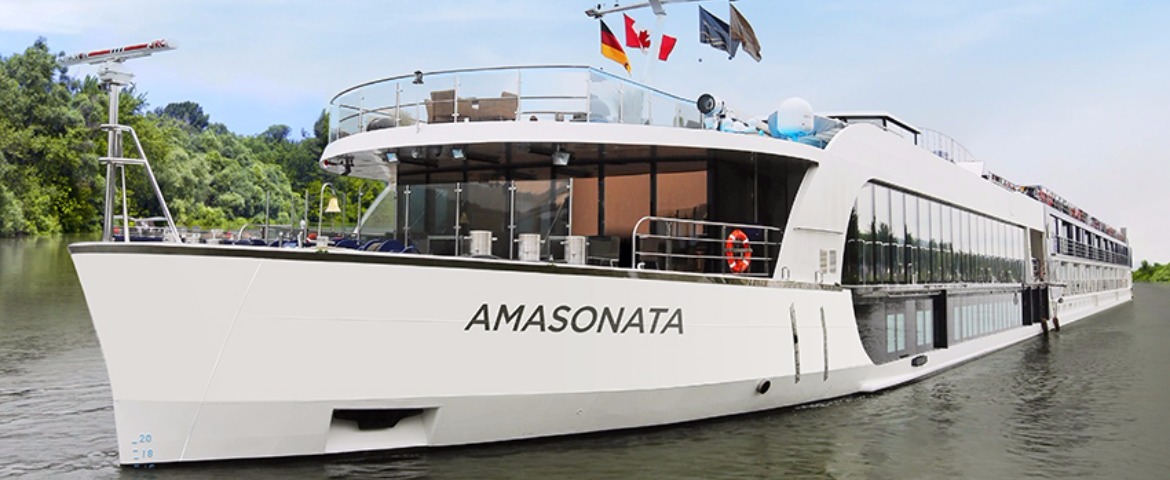
| 16 June | 7 nights | One-way from Budapest to Vilshofen an der Donau |
450-628-6241
Call us
|
| 23 June | 7 nights | One-way from Vilshofen an der Donau to Budapest |
450-628-6241
Call us
|
| 4 August | 7 nights | One-way from Vilshofen an der Donau to Budapest |
450-628-6241
Call us
|
| 25 August | 7 nights | One-way from Budapest to Vilshofen an der Donau |
450-628-6241
Call us
|
AmaVerde
92 Cruises
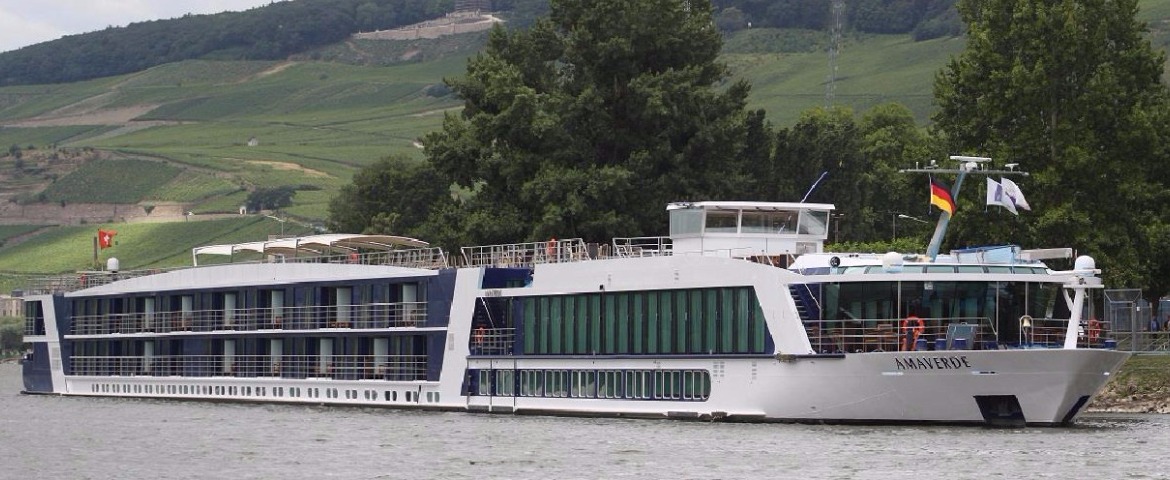
| 27 March | 7 days | One-way from Budapest to Vilshofen an der Donau |
450-628-6241
Call us
|
| 27 March | 7 nights | One-way from Budapest to Vilshofen an der Donau |
450-628-6241
Call us
|
Emerald Waterways (62 Cruises)
Emerald Dawn
18 Cruises
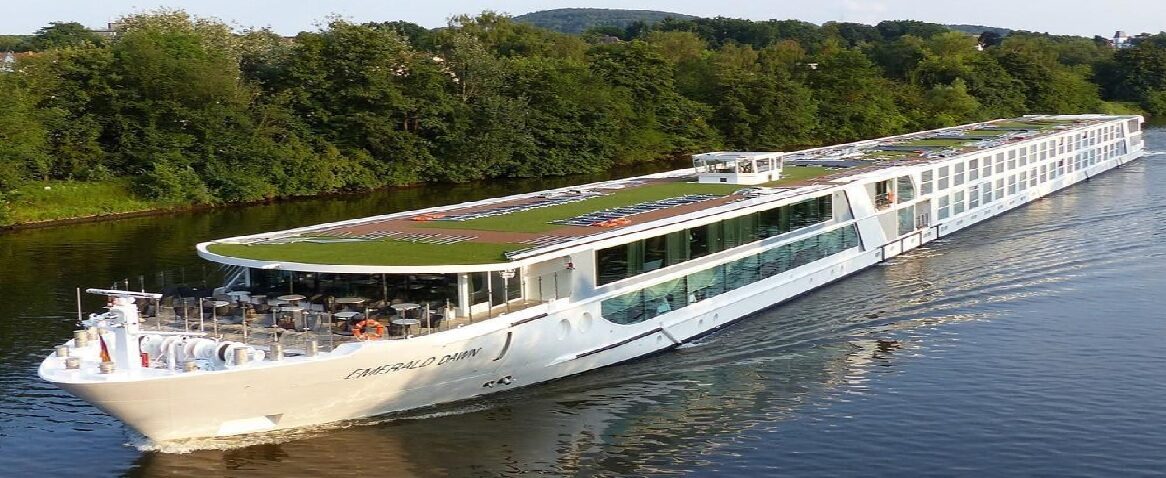

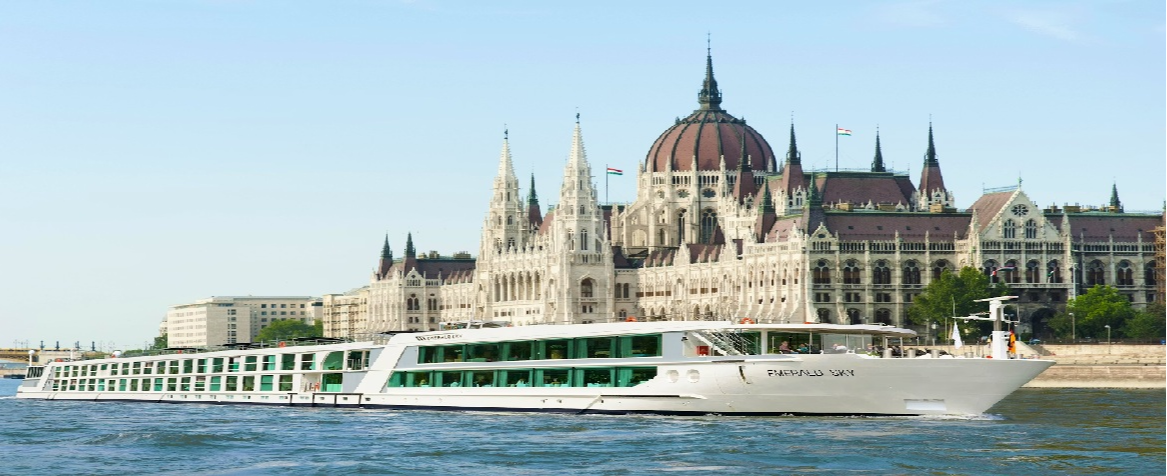
Emerald Sky
20 Cruises
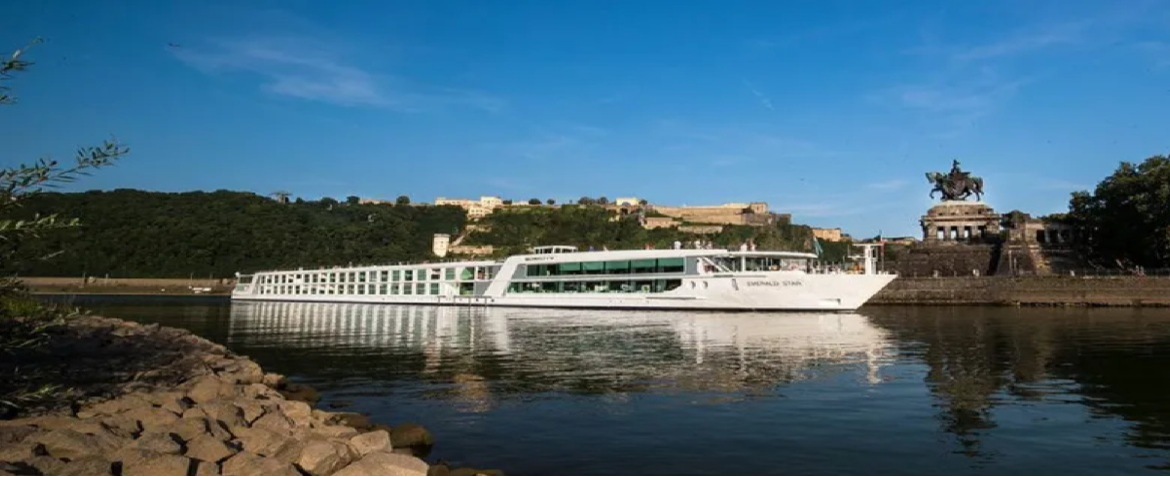
Emerald Star
23 Cruises
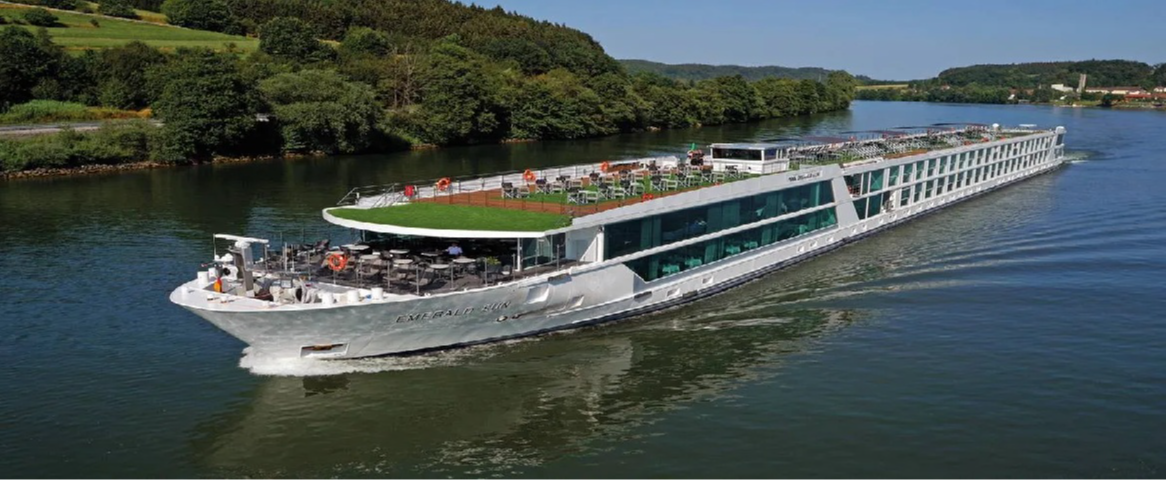
Tauck Cruises (4 Cruises)
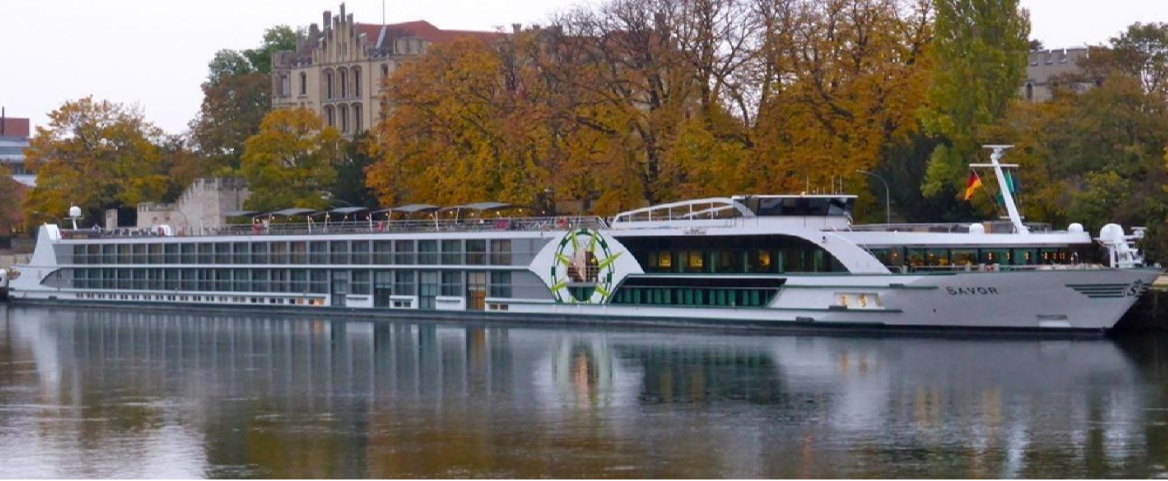

Uniworld Boutique River Cruise (15 Cruises)
S.S Marlene
15 Cruises


Weissenkirchen in der Wachau | Cruise Port Guide
Frequently Asked Questions
On the Danube bank, right at the foot of the slopes, with no terminal or gantry. The first lanes begin a few steps from the gangway.
The name means white church. It comes from the pale silhouette of the fortified church that has watched over the rooftops since the 14th century.
The covered wooden staircase climbing to the fortified church, the Teisenhoferhof with its Wachau museum, then a stop at a heuriger. Walkers climb to the Welterbesteig viewpoint, about 30 minutes of steady ascent.
A fully roofed wooden staircase climbing to the church. Residents used it to reach their fortified sanctuary sheltered from both bad weather and arrows.
Because it was one. Massive tower, thick walls, crenellated enclosure: the church was reinforced during the Ottoman incursions, when families sheltered inside with their most precious belongings.
A former fortified courtyard whose Renaissance arcades frame an interior of rare harmony. It houses the Wachau museum, where canvases by painters drawn to the valley sit alongside everyday objects of winegrowing life. The visit takes under an hour.
One of Austria's most respected single vineyards, terraced above the houses. Grüner Veltliner and Riesling draw their character from the rock and the sun-baked stone walls, where the emerald lizard sometimes slips by.
By a bunch of branches hung above the door. It signals that the house is serving its own wine, with simple plates of country bread, cheeses and cured meats on worn wooden tables.
The euro and German. As in every village in the valley, keep some cash for the heurigen and direct sales from producers.
Moderately. The village is quiet and its main appeal remains wine. The covered staircase and the cable ferry, gliding to the opposite bank on the current alone, do amuse children.


