Fortaleza Brazil

68 Cruises availables At departure or passage at this port

Seabourn Cruise Line (24 Cruises)

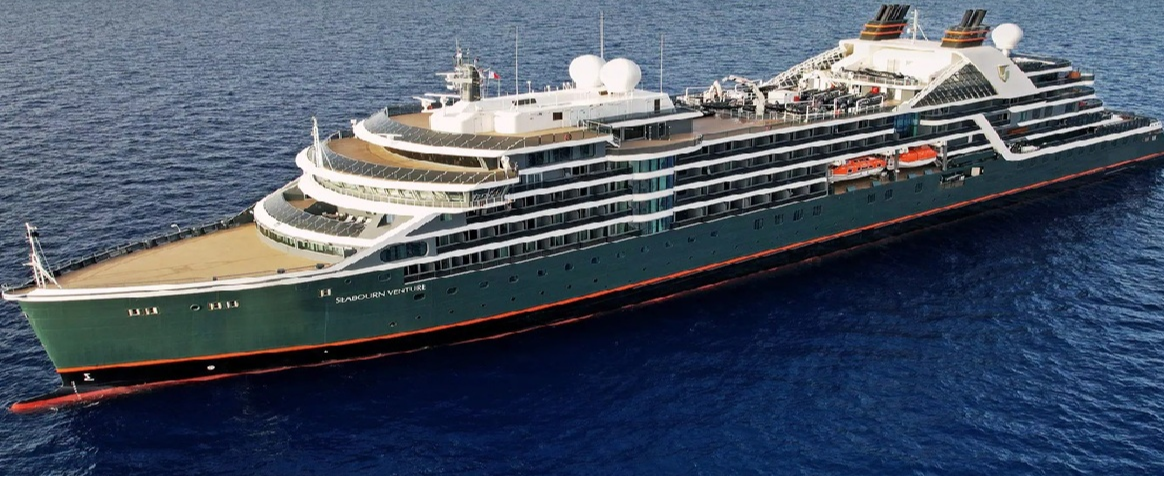
Seabourn Venture

Seabourn Venture

Visit the ship's page

Sometimes they appear before the city does: small white triangular sails, leaning into the Atlantic wind. These are the jangadas, the sailing fishing rafts that Ceará's sailors have handled for generations. Behind them rises Fortaleza, the state capital, a skyline of skyscrapers set along the coast of Brazil's Nordeste, a metropolis of several million people bathed in near-equatorial sunshine year-round.

From the Terminal to the Seafront

Cruise ships dock at the port of Mucuripe, a commercial area about six kilometres east of the historic centre. Walking options are limited: a shuttle carries passengers to the port gate, where taxis and excursion vehicles wait. A short ride from there is enough to reach Avenida Beira-Mar, the great seaside promenade that serves as the backbone of the Ceará capital, lined with coconut palms, kiosks, and an evening craft market. With long distances and constant heat, it's better to plan the day around two or three areas rather than try to cover everything.

The Centre and Its Landmarks

The old centre deserves a good part of the day. The José de Alencar Theatre, opened in 1910 and named after the great novelist born in the region, pairs an eclectic façade with an auditorium whose ornate steel structures were cast in Scotland; it's one of the most photographed buildings in the Nordeste, and its interior garden alone is worth the stop. A few streets away, the metropolitan cathedral surprises with its neo-Gothic concrete silhouette, and the Mercado Central lines several floors with lace, hammocks, leather goods, and cashew nuts, Ceará's great specialties; the upper floors offer a sweeping view down over the bustle of the aisles. The very name Fortaleza comes from the Fort of Nossa Senhora da Assunção, successor to a small fort built by the Dutch in the seventeenth century, still occupied by the military today and visible from its surroundings.

Iracema, Culture Facing the Sea

Heading back down toward the shore, the Iracema neighbourhood lines up colourful façades, workshops, and cafés around the Ponte dos Ingleses, an unfinished pier-promenade that has become the go-to spot for sunsets. Nearby, the Dragão do Mar Cultural Centre brings together museums, a cinema, a planetarium, and performance venues within a contemporary complex crossed by walkways; the surrounding area concentrates much of the local art scene, with murals, terraces, and small forró clubs, the dance music of the Nordeste.

Points of Reference for the Day

LocationMain DrawFrom the Port
Avenida Beira-MarPromenade, kiosks, crafts10 minutes by taxi
José de Alencar Theatre1910 architecture20 minutes by taxi
Dragão do MarCultural centre, museums15 minutes by taxi
Praia do FuturoBeach and barracas15 minutes by taxi

Beaches and Local Fare

Locals in Fortaleza, meanwhile, head to Praia do Futuro, a long beach lined with barracas, those large beachfront restaurants serving crab, grilled fish, and fruit juices from the sertão. The water stays warm year-round, and the Atlantic breeze makes the heat very manageable. Walkers may prefer to stroll along Mucuripe in the late afternoon, when fishermen haul their jangadas up onto the sand and auction off the day's catch.

As Evening Falls

When the ship casts off, the seafront lights up all at once, and the line of waterfront buildings reflects across the Atlantic. Thoughts drift back to the white sails spotted that morning: however fast Fortaleza has grown, it still holds onto, right along the water, the simple gestures that gave it its start, and that contrast is what lingers in memory.

Frequently Asked Questions

At Mucuripe port, a commercial area about six kilometres east of the historic centre. Walking is restricted: a shuttle takes passengers to the port gate, where taxis and excursion vehicles wait.
No. Distances are long and the heat constant: better to build your day around two or three areas by taxi than to try covering everything on foot.
Beira-Mar avenue, ten minutes by taxi, then the historic centre with the José de Alencar theatre and the Mercado Central. The Dragão do Mar cultural centre in the Iracema district rounds off the day.
A venue opened in 1910, named after the great novelist born in the region, pairing an eclectic facade with ornate steel structures cast in Scotland. It is one of the most photographed buildings in the Northeast, and its inner garden alone justifies the stop.
Several floors of lace, hammocks, leather goods and cashew nuts, the great specialties of Ceará. The upper floors give a plunging view over the bustle of the aisles.
A cultural centre gathering museums, a cinema, a planetarium and performance spaces in contemporary architecture crossed by walkways. Its surroundings concentrate the local arts scene, between murals, terraces and small forró halls.
Praia do Futuro, 15 minutes by taxi, where locals themselves gather. A long beach lined with barracas, the large sand restaurants serving crab, grilled fish and sertão fruit juices.
A sailing fishing raft that Ceará sailors have handled for generations. You sometimes see them before the city itself, small white triangular sails leaning over the Atlantic. Late in the day, fishermen haul them onto the sand at Mucuripe and auction the catch.
The Brazilian real, and Portuguese. English is not widely spoken in this Northeastern metropolis: plan on a guide or an organized excursion if you are not comfortable.
The sun is near-equatorial year-round and the water stays warm in every season. The Atlantic breeze makes the heat very bearable; the rainy season from February to May brings short showers rather than lost days.