Alert Bay BC Cormorant Island Canada

84 Cruises availables At departure or passage at this port

Seabourn Cruise Line (74 Cruises)

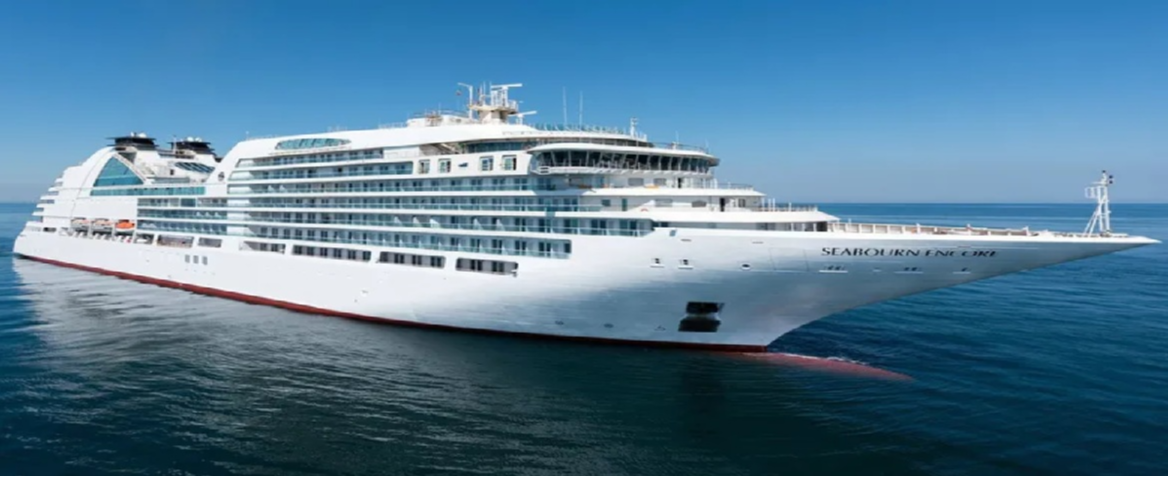
Seabourn Encore.

Seabourn Encore

40350 tons
Visit the ship's page

The totems appear before the tender even touches the dock. Raised facing the sea, carved with eagles, orcas and ravens, they announce the tone: Alert Bay is not a port of call like any other. This village on Cormorant Island, off the north-east coast of Vancouver Island, is home to the 'Namgis Nation, a member of the Kwakwaka'wakw people, and one of the living heartlands of Pacific Coast Indigenous cultures, which itineraries attentive to cultural depth readily include in their programmes.

Ships of moderate size land their passengers in the heart of the village, and everything that matters is reached on foot: the entire island can be crossed in little time, which leaves the day free for the essential—the encounter. Born in the nineteenth century around salmon fishing, 'Yalis, its traditional name, remains an active fishing port where boats return to the dock in the cries of gulls.

The U'mista Cultural Centre

Minutes' walk from the landing, along the shore, the U'mista Cultural Centre preserves a moving collection: masks and potlatch objects confiscated by Canadian authorities in the early twentieth century, when this central ceremony was banned, then returned to the community after decades of advocacy. The word u'mista itself designates the return of a being or an object believed lost. Before the cedar masks, the headdresses and the clan emblems, you grasp what the law attempted to erase and what the community succeeded in bringing back to life. Allow at least an hour; many stay longer.

Totems and the Big House

Continuing the walk, your gaze encounters a monumental pole: Alert Bay's totem ranks among the world's tallest, visible from afar above the roofs. Nearby stands the 'Namgis Big House, the ceremonial great house, whose painted façade opens certain summer days for traditional dances presented by community youth. To witness these songs, to the sound of the drum, in the half-light pierced by the central fire, counts among the powerful moments of a cruise on this coast.

The Forest and the Shore

The island also offers its share of nature. An ecological park protects a wetland where cedar and hemlock trees several centuries old reflect in dark water; wooden boardwalks allow circulation without disturbance. You watch for the great raven, chatty and cunning, an omnipresent figure in Kwakwaka'wakw stories. Along the shore, the promenade links the village's neighbourhoods, punctuated by coloured houses, nets put out to dry and interpretation signs that tell the history of the place. In clear weather, the gaze reaches to the mountains of big Vancouver Island across the strait, and it is not rare to glimpse a whale's spout in the channel.

Making the Most of Your Day at Alert Bay

  • Start at U'mista to understand the cultural context before the rest.
  • Check the times of dances at the Big House with the ship or the tourism office.
  • Respect the places: some community sites request permission before photography.

What You Take With You

As you return aboard, the totems shrink on the shore, but something remains. Alert Bay does not merely show a culture: it lives it, dances it and transmits it. The traveller who has spent a few hours here leaves with more than images; he carries the account of a people who have recovered what was taken from them, and who accept to share it with those who pass.

Frequently Asked Questions

Right in the heart of the village on Cormorant Island. Small ships land passengers directly at the pier, and everything that matters is within walking distance.
Entirely. The island is quickly crossed, and the U'mista Cultural Centre, the great totem, the Big House and the shoreline walk follow on from one another with no transport needed. This is a call where the day is for meeting people, not for travelling.
A museum holding potlatch masks and regalia confiscated by Canadian authorities in the early 20th century, when the ceremony was banned, and returned to the community after decades of effort. The word u'mista means the return of someone or something thought lost.
At least an hour, and many visitors stay longer. It is also the best place to start the day: the rest of the call makes far more sense once the cultural context is clear.
The 'Namgis Nation, part of the Kwakwaka'wakw people. The village's traditional name is 'Yalis. Founded in the 19th century around the salmon fishery, it remains a working fishing harbour.
On some summer days, yes, at the Big House, the 'Namgis ceremonial house, performed by young people of the community. Check times with the ship or the visitor centre: nothing runs on a guaranteed schedule.
It ranks among the tallest totem poles in the world and is visible from far off above the village roofs. The exact title is disputed among a few poles, but the effect is not.
U'mista first, then the great totem and the Big House, and finally the ecological park with its boardwalks over a wetland where centuries-old cedars and hemlocks are mirrored in dark water. The shoreline walk ties it all together.
No, not everywhere. Some community sites require permission before photographing, and that has to be respected. Asking is always the right approach.
Often. The channel between Cormorant Island and Vancouver Island is a busy corridor, and a blow from shore is a common sight. On a clear day the view reaches the mountains of Vancouver Island.