Osijek Croatia
110
Cruises availables
At departure or passage at this port
CroisiEurope (20 Cruises)
MS L'Europe
4 Cruises
 Image not available

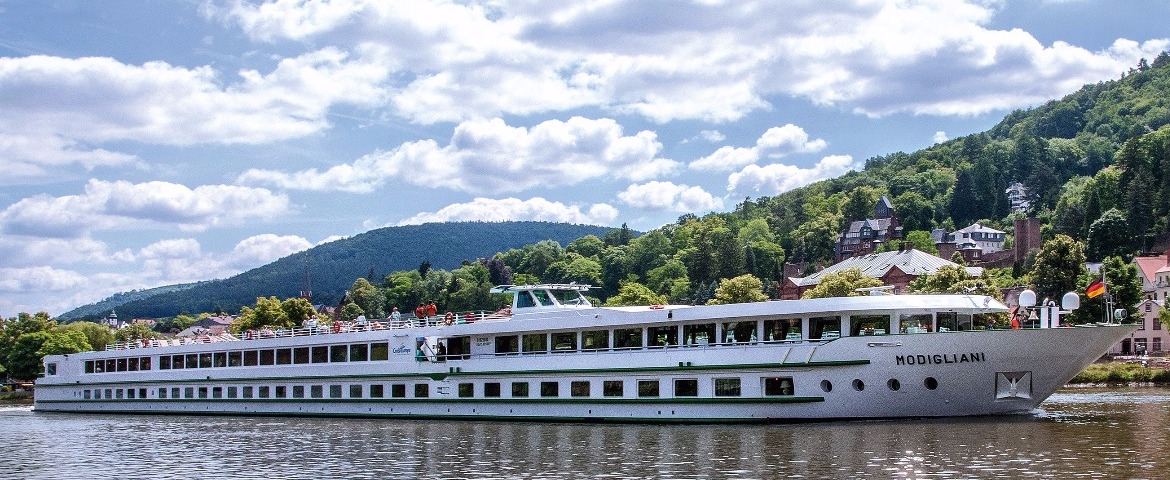
MS Modigliani
6 Cruises
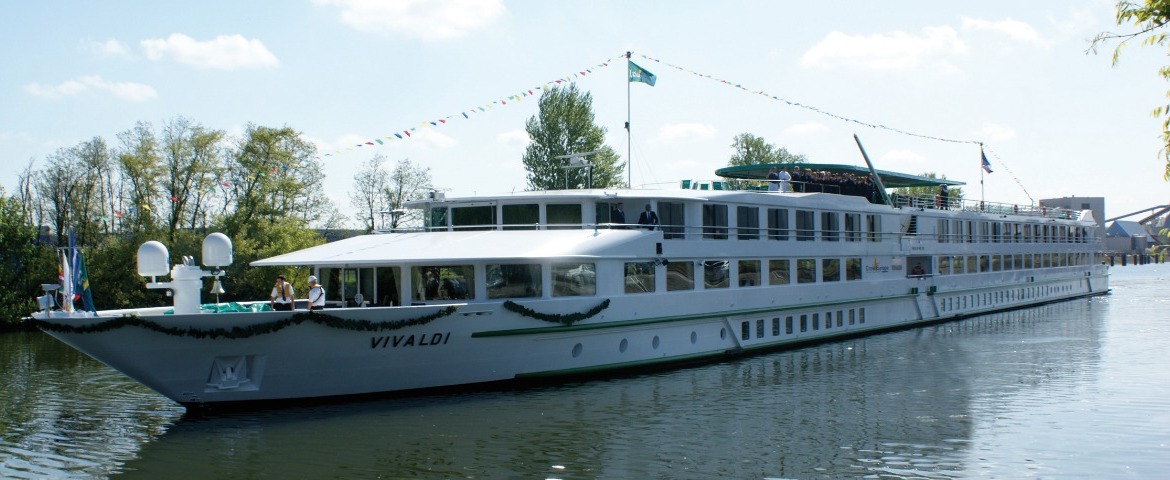
MS Vivaldi
7 Cruises
| 11 June | 12 days | One-way from Bucharest to Budapest |
450-628-6241
Call us
|
| 14 June | 9 days | One-way from Oltenita to Budapest |
450-628-6241
Call us
|
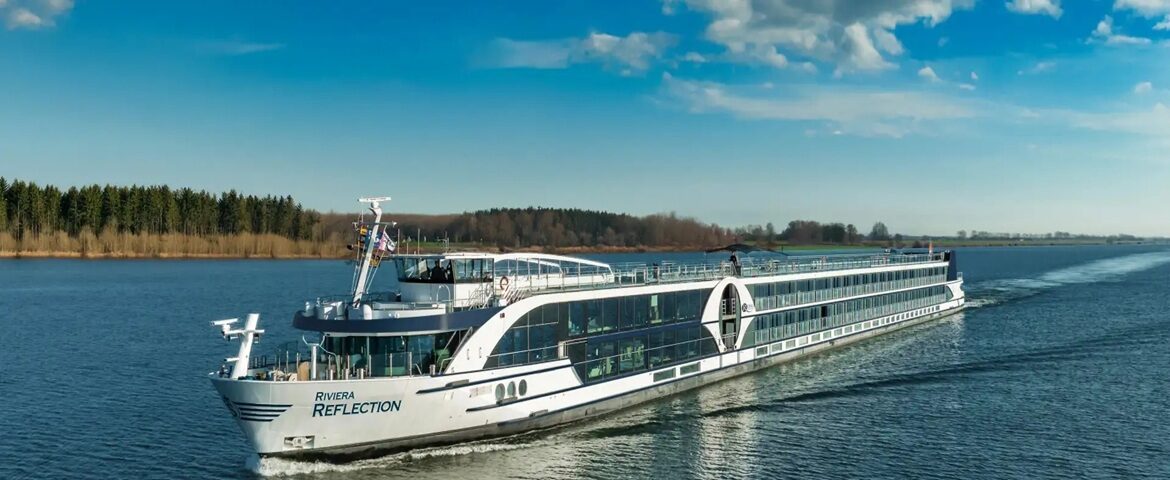
Riviera Travel (4 Cruises)

Scenic Cruises (18 Cruises)
Scenic Crystal
18 Cruises


| 27 September | 30 days | One-way from Amsterdam to Bucharest |
450-628-6241
Call us
|
| 27 September | 29 days | One-way from Amsterdam to Bucharest |
450-628-6241
Call us
|
Viking River Cruises (68 Cruises)
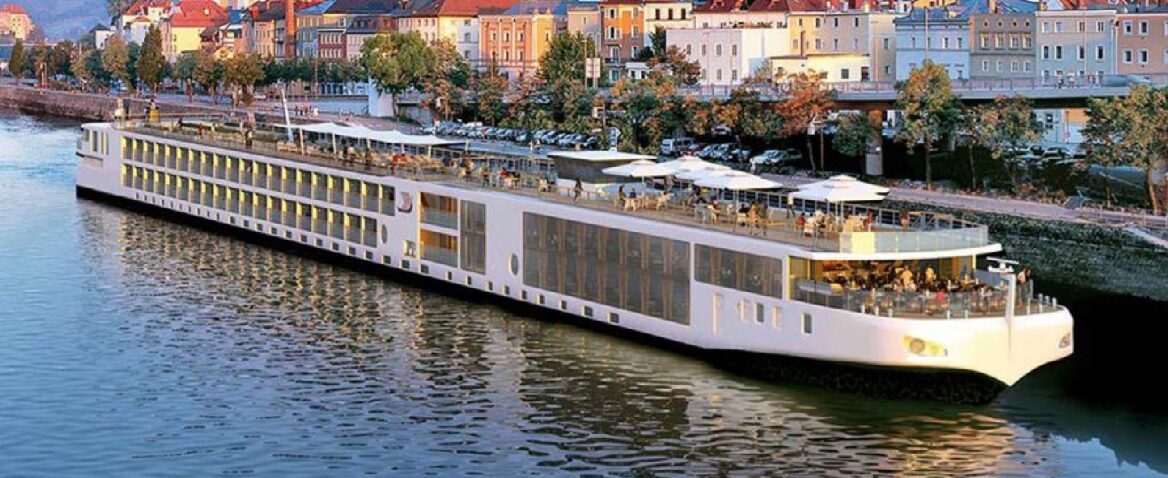

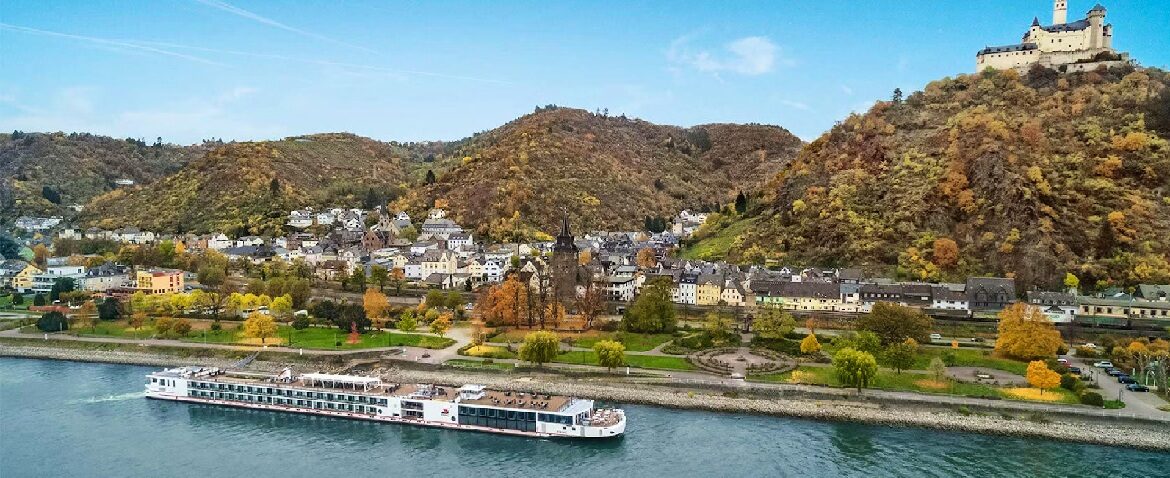
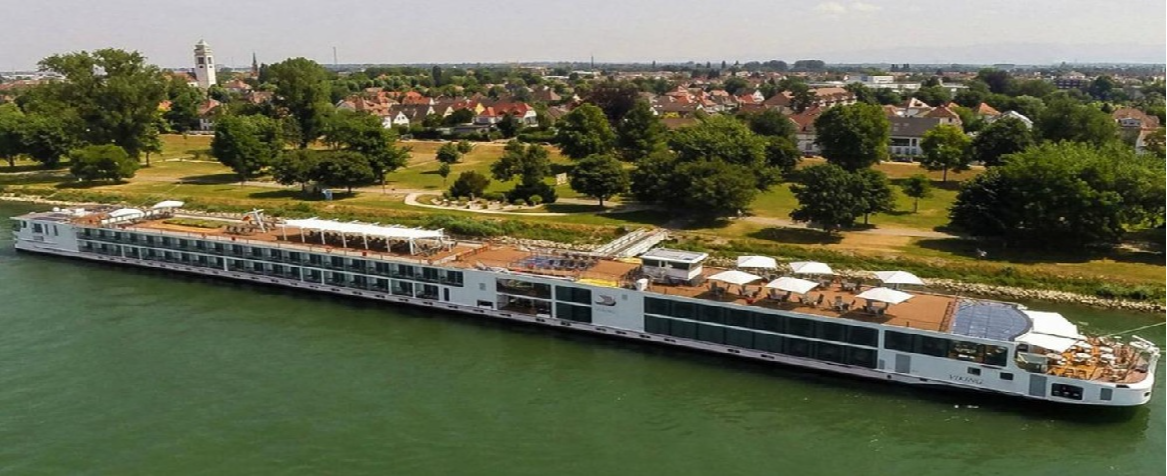
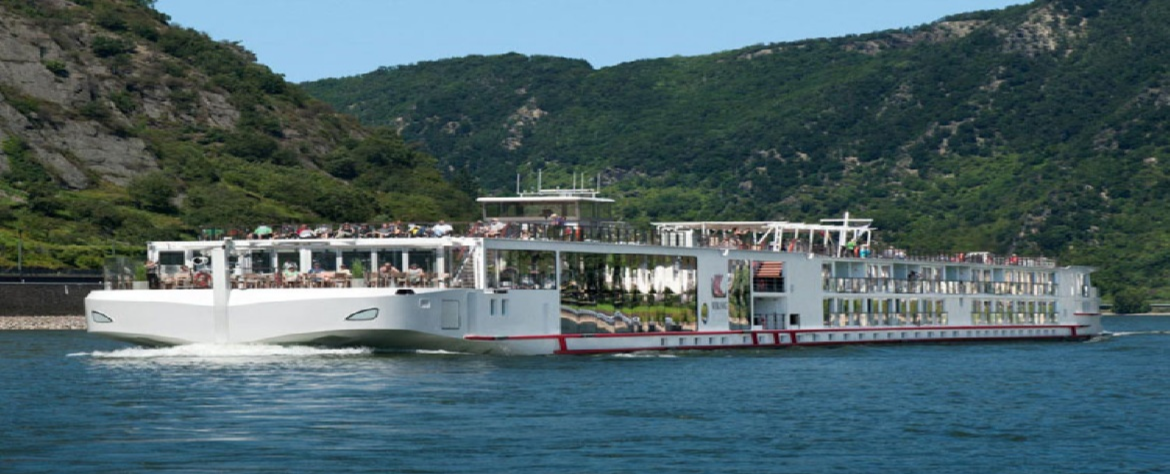
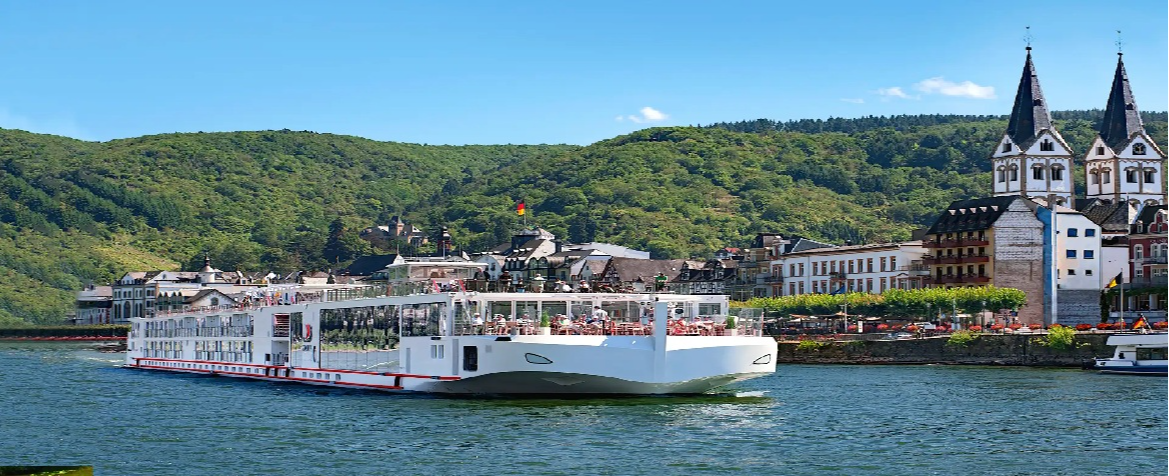
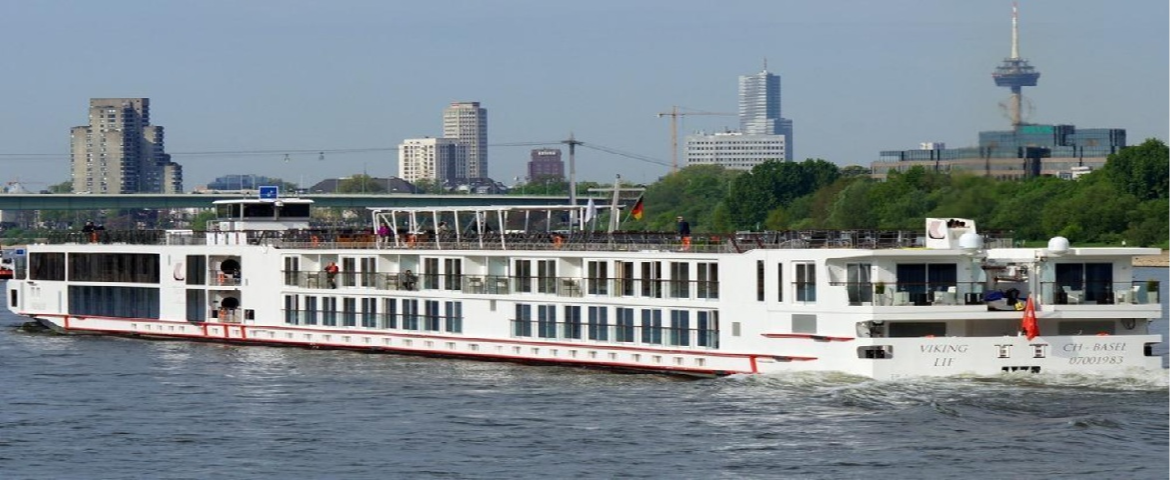
Viking Longships Lif
26 Cruises
| 24 March | 8 days | One-way from Budapest to Bucharest |
450-628-6241
Call us
|
| 31 March | 8 days | One-way from Bucharest to Budapest |
450-628-6241
Call us
|
| 11 August | 22 days | One-way from Amsterdam to Bucharest |
450-628-6241
Call us
|
| 25 August | 8 days | One-way from Budapest to Bucharest |
450-628-6241
Call us
|
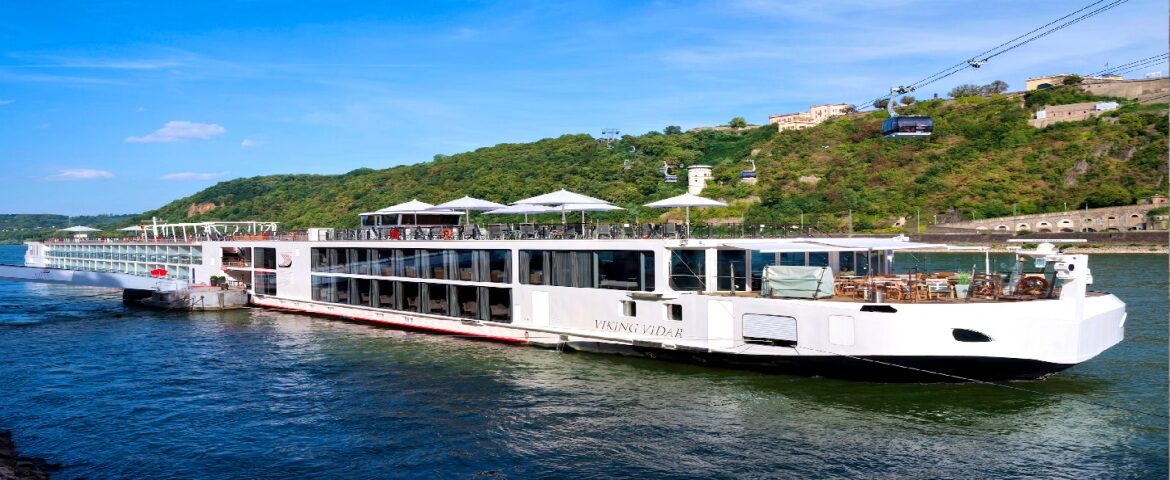
Viking Longships Vidar
20 Cruises
| 16 June | 22 days | One-way from Amsterdam to Bucharest |
450-628-6241
Call us
|
| 30 June | 8 days | One-way from Budapest to Bucharest |
450-628-6241
Call us
|
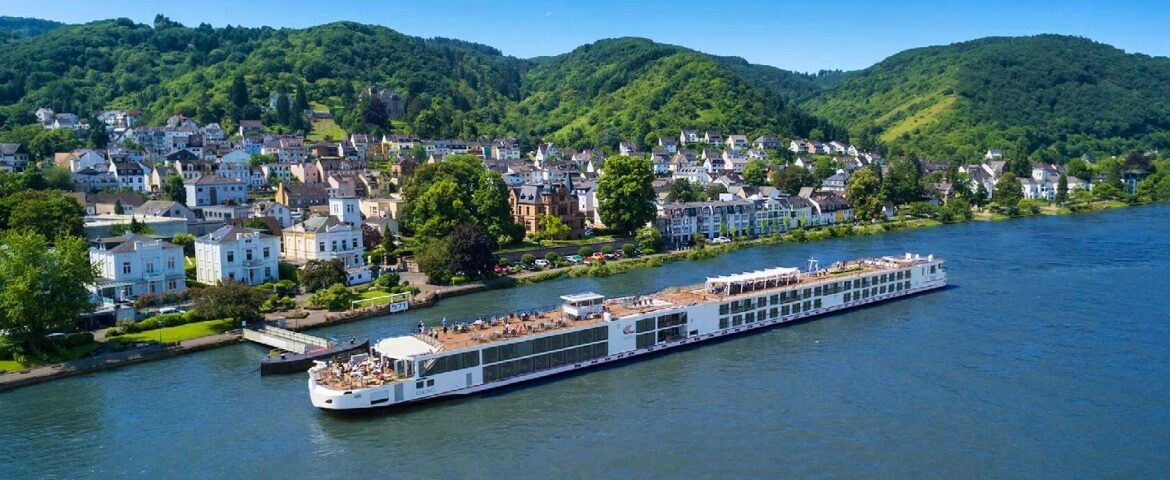

Port of Osijek, Croatia | Cruise Port Guide
Frequently Asked Questions
On the Drava, at the shaded city-centre quays. Osijek is a river call, only a few kilometres from where the Drava joins the Danube. You step ashore in the heart of the city.
Almost entirely. The promenada follows the right bank for several kilometres and links the modern centre to the Tvrđa citadel. The ground is flat. The tram, running since 1884, covers the longer stretches.
The Tvrđa citadel and its Museum of Slavonia, the walk along the Drava, a crossing of the pedestrian suspension bridge, then Ante Starčević Square and the red brick co-cathedral. All of it fits comfortably into a half day.
Croatia's best-preserved Baroque ensemble. Built in the early 18th century to hold the frontier against the Ottoman Empire, the fortress keeps its barracks, monumental gates and cobbled parade square, with the 1730 Holy Trinity column at its centre.
Rooftops, water and church towers, the best framing in the city. This pedestrian bridge crosses the Drava in a single span toward the green banks of Baranja; the walk takes five minutes.
A red brick neo-Gothic church completed in 1898, with one of the tallest towers in the country at around 90 metres. The interior is a surprise for its colourful frescoes. It dominates Ante Starčević Square in the modern centre.
Fiš-paprikaš, a river fish stew with paprika served with homemade noodles, and kulen, a spicy sausage cured for months, eaten with fresh cheese and pickles. Graševina and traminac from the nearby hills round out the table.
Yes, it is about twenty minutes by road and several excursions add it to the call. Boardwalks and boats push into a vast marsh full of birds. Allow a half day to make the most of it.
The euro and Croatian. English is spoken by younger people and in tourist services, less so in neighbourhood shops. Cards work in town.
Yes, precisely because it appears on no list of great tourist capitals. You walk without crowds, eat without pretence, and Europska Avenue holds one of the finest Art Nouveau streetscapes outside Vienna and Budapest.


