Pula Croatia

16 Cruises availables At departure or passage at this port

Port of Pula, Croatia | Cruise Port Guide

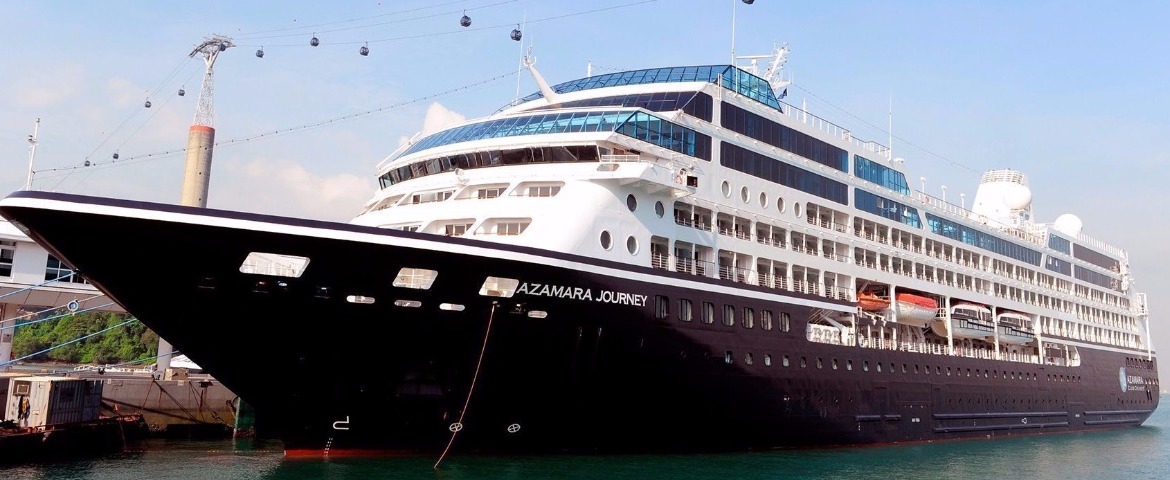
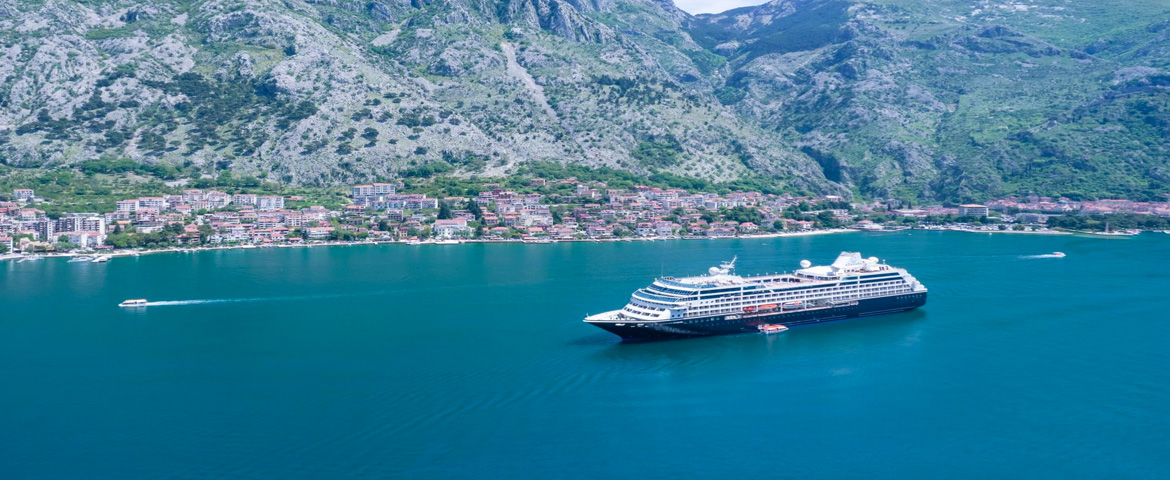
The Arena can be spotted from the ship's deck well before docking: a ring of pale limestone more than thirty metres high, set on the edge of the harbour. Pula, at the southern tip of Istria, has lived around its amphitheatre for two thousand years; it is one of the six largest inherited from Rome and one of the best preserved in the world. Cruise ships generally tie up at the Rijeka pier, about fifteen minutes on foot from the old centre; some vessels anchor in the harbour and use tenders. Either way, the day is spent on foot, in a compact city where antiquity surfaces on every street corner.

The Arena, a permanent show

Built in the 1st century, the amphitheatre held more than 20,000 spectators who came to cheer the gladiators. Its outer wall has survived the centuries almost intact, with its four towers and three tiers of arches — an absolute rarity among Roman monuments. The underground galleries, where animals and fighters once waited, now house an exhibition devoted to the olive oil and wine of ancient Istria, complete with amphorae. In summer, the stage comes back to life: concerts and a film festival fill the stands, just as they did two thousand years ago. Allow a good hour for the visit, more if you like to sit up high and let your imagination do the work.

From the forum to the Arch of the Sergii

Following the harbour south, you reach the forum, the heart of the city since Roman times. The Temple of Augustus raises its Corinthian columns here; destroyed by a bomb in 1944, it was rebuilt stone by stone in the years that followed. Beside it, the medieval town hall unabashedly reuses ancient walls. Sergijevaca Street, a shopping thoroughfare paved with polished flagstones, then leads to the Arch of the Sergii, erected around 27 BCE by a powerful local family. On the café terrace next to it, a bronze statue pays tribute to James Joyce: the Irish writer taught English in Pula in 1904, before heading off to Trieste and fame.

Beneath the city, the Zerostrasse

Pula keeps a surprise underground. During the First World War, when the harbour served as the main port of the Austro-Hungarian navy, kilometres of tunnels were dug beneath the central hill to shelter the population. This network, known as the Zerostrasse, is open to visitors: the cool galleries lead to an elevator that rises toward the summit, where the 17th-century Venetian fortress offers a sweeping view of the harbour, the shipyards and the tiled rooftops. The coolness of the tunnels in the middle of summer is worth the detour on its own.

The Istrian table

Before heading back on board, the covered market deserves a stop: its iron-and-glass hall, opened in 1903, houses fishmongers and produce vendors beneath architecture reminiscent of the great railway stations of Central Europe. The stalls overflow with truffles, olive oil and cheeses from the interior. The konobas nearby serve fuži, hand-rolled pasta, topped with black truffle sauce, with a glass of chilled Malvazija. Istria is as much for tasting as for looking.

Quick reference

ItemDetails
DockingPier about 15 minutes on foot from the centre; tenders depending on the ship
ArenaAdmission charged; allow at least one hour
ZerostrasseTunnels beneath the central hill, access to the fortress lookout
Currency and languageEuro; Croatian and Italian, English widely spoken

Two thousand years, and still on the bill

Rome built to last; Pula provides some of the most convincing proof. As the ship pulls away and the stone ring shrinks on the shore, one thought comes to mind: the shows have changed, but the stands have stayed. All it takes is coming back on a summer evening to take your seat again.

Frequently Asked Questions

Usually at the Rijeka quay, about fifteen minutes on foot from the old centre. Some ships anchor in the bay and use tenders. Either way, the day is organized on foot.
Yes, the city is compact. The Arena, the forum, the Arch of the Sergii and the covered market are all within a twenty-minute walk of the quay, on largely flat ground along the harbour.
The Arena first, a good hour. Then the forum and the Temple of Augustus, Sergijevaca street to the Arch of the Sergii, then the Zerostrasse tunnels and the Venetian fortress viewpoint. The covered market makes a fine last stop.
A first-century Roman amphitheatre, one of the six largest surviving from Rome and among the best preserved in the world. It held more than 20,000 spectators; its outer wall has come through the centuries almost intact, with four towers and three tiers of arches.
The underground galleries, where animals and fighters once waited, house an exhibition on the olive oil and wine of ancient Istria, amphorae included. It is part of the amphitheatre visit.
A network of tunnels dug under the central hill during the First World War, when the bay served as the main base of the Austro-Hungarian navy. The galleries can be visited and lead to a lift up to the Venetian fortress and its panorama. The cool air underground is welcome in midsummer.
Partly. Destroyed by a bomb in 1944, it was rebuilt stone by stone in the years that followed. Its Corinthian columns stand over the forum, the heart of the city since Roman times.
Fuži, hand-rolled pasta, in black truffle sauce, with a glass of chilled malvazija. The covered market, under its iron and glass hall opened in 1903, overflows with truffles, olive oil and cheeses from inland Istria.
The euro, Croatian and Italian. Istria is officially bilingual and English is widely spoken in tourism. Cards are accepted throughout the city.
May to October. In summer the Arena hosts concerts and a film festival, which can change visiting hours. June and September strike the best balance between heat and crowds.