Dendera-Qena Egypt
434
Cruises availables
At departure or passage at this port
AmaWaterways (184 Cruises)
AmaDahlia
98 Cruises
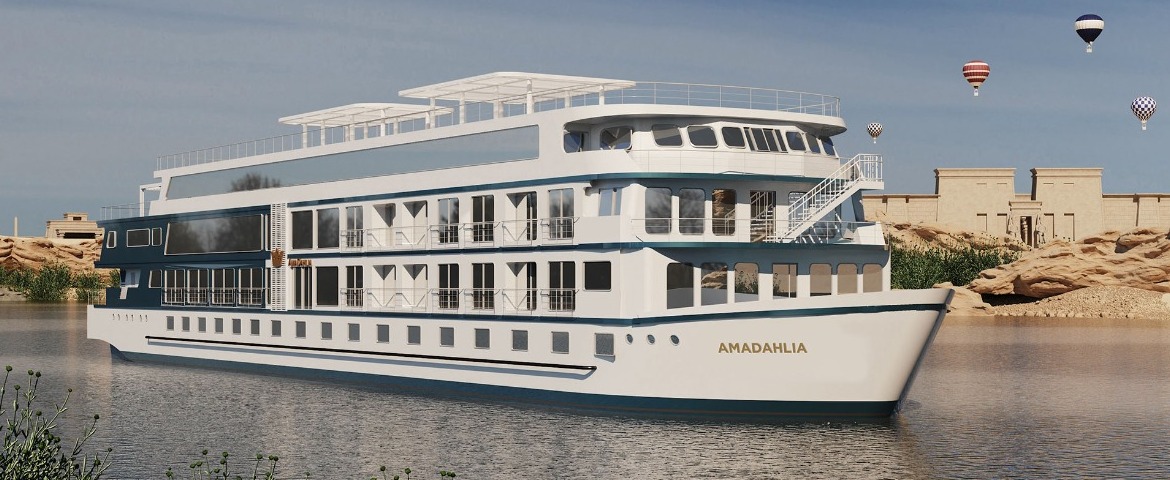

| 2 June | 12 days | Round-trip from Cairo, Egypt |
450-628-6241
Call us
|
| 9 June | 12 days | Round-trip from Cairo, Egypt |
450-628-6241
Call us
|
AmaLilia
86 Cruises
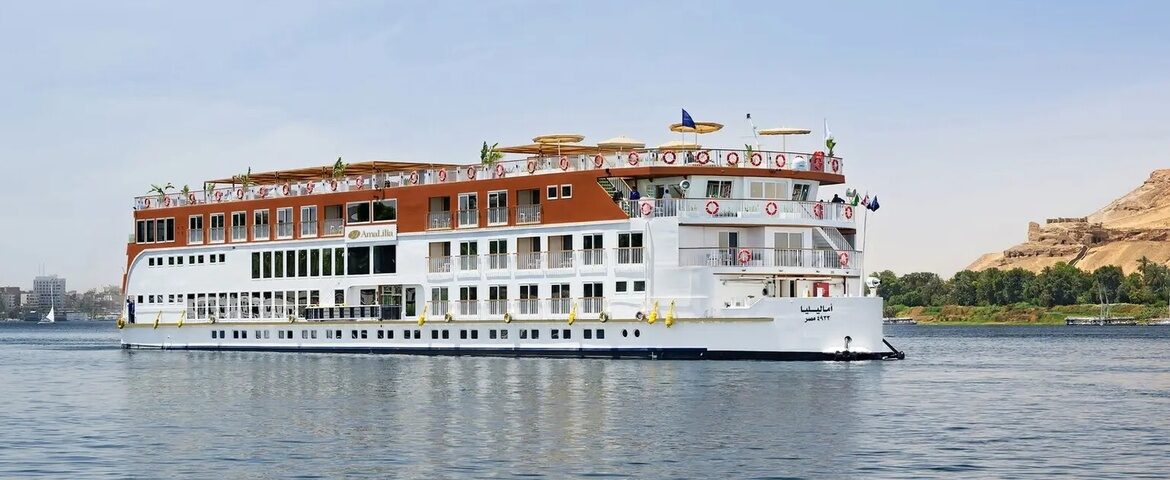
| 26 October | 11 days | Round-trip Secrets of Egypt the Nile |
450-628-6241
Call us
|
| 26 October | 12 days | Round-trip from Cairo, Egypt |
450-628-6241
Call us
|
| 5 April | 12 days | Round-trip from Cairo, Egypt |
450-628-6241
Call us
|
| 12 April | 12 days | Round-trip from Cairo, Egypt |
450-628-6241
Call us
|
| 19 April | 12 days | Round-trip from Cairo, Egypt |
450-628-6241
Call us
|
| 5 June | 12 days | Round-trip from Cairo, Egypt |
450-628-6241
Call us
|
| 12 June | 12 days | Round-trip from Cairo, Egypt |
450-628-6241
Call us
|
Uniworld Boutique River Cruise (250 Cruises)
River Tosca
125 Cruises


| 6 May | 12 days | Round-trip from Cairo, Egypt |
450-628-6241
Call us
|
| 13 May | 12 days | Round-trip from Cairo, Egypt |
450-628-6241
Call us
|
| 20 May | 12 days | Round-trip from Cairo, Egypt |
450-628-6241
Call us
|
S.S. Sphinx
125 Cruises

| 6 May | 12 days | Round-trip from Cairo, Egypt |
450-628-6241
Call us
|
| 13 May | 12 days | Round-trip from Cairo, Egypt |
450-628-6241
Call us
|
| 20 May | 12 days | Round-trip from Cairo, Egypt |
450-628-6241
Call us
|

Dendera-Qena, Egypt | Cruise Port Guide
Frequently Asked Questions
At Qena, on the bank of the Nile, about sixty kilometres downstream from Luxor. The temple of Hathor stands on the opposite bank: the Qena call exists for it.
By coach, about twenty minutes, with an escort as is customary in Egypt for groups of travellers. The road crosses cane fields, palm groves and mud-brick villages.
Its ceiling. After two thousand years of smoke and sand, restorers have given the great hypostyle hall back its deep blues, its golds and its winged goddesses. Dendera is among the best-preserved sanctuaries in all of Egypt.
An hour and a half to two hours, Egyptologist guide included. That covers the hypostyle hall, the crypts, the roof and the two mammisi without feeling pushed along.
Yes. A processional staircase climbs in a gentle spiral, its walls carved with priests in procession, up to the chapels where New Year rituals were held. It is one of the few temples in Egypt where this route is open.
Yes, and that is unusual. Narrow decorated crypts run inside the thickness of the walls, reached by concealed stairs. They are tight and dark: skip them if confined spaces bother you.
Yes, on the rear wall of the temple. A huge relief shows Cleopatra VII and Caesarion, her son attributed to Julius Caesar, making offerings to the gods. It is one of the very few stone portraits of Egypt's last queen.
No. The original was taken to the Louvre in Paris. A faithful copy sits in its place on the ceiling of a roof chapel: worth knowing before you look up hunting for the original.
Far less than Karnak or the Valley of the Kings. Long absent from classic itineraries, the call took hold as cruises extended their routes northward. You can still hear the desert wind and the pigeons in the cornices.
Little, and it is only fair to say so: Qena is a provincial town with no organised visitor attractions. The call was created for Dendera, and that is where the time ashore goes.


