Beaune France

83 Cruises availables At departure or passage at this port

Riviera Travel (83 Cruises)

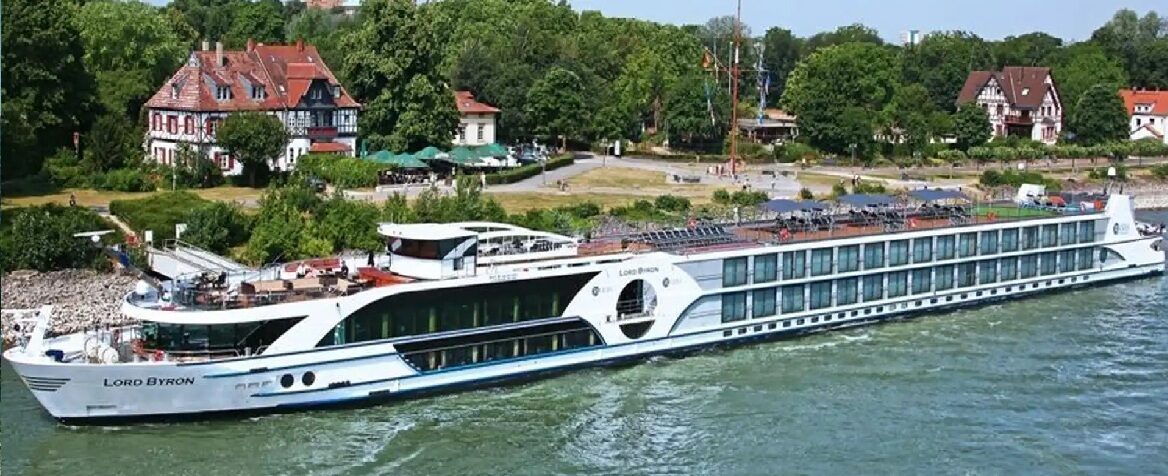
MS Lord Byron

MS Lord Byron

184 Passengers
Visit the ship's page
MS Thomas Hardy.

MS Thomas Hardy

220 Passengers
Visit the ship's page

This port call begins on the water and ends among the vines. Ships travelling up the Saône stop at Chalon-sur-Saône; from there, about twenty kilometres lead to Beaune, the capital of Burgundy wine, by excursion coach or on a fifteen-minute regional train. The detour has been worth making for nearly six centuries, all for one address: a hospital that has become one of France's most recognizable landmarks.

The Hôtel-Dieu and Its Rooftops

In 1443, in the aftermath of the Hundred Years' War, chancellor Nicolas Rolin and his wife Guigone de Salins founded a hospice for the poor. The deliberately plain exterior does nothing to prepare you for the shock of the inner courtyard: entire rooftops of glazed tiles in yellow, red, brown and green, arranged in diamond patterns, above half-timbered galleries. The Salle des Pôvres lines up its red-curtained beds beneath a ship's-hull-shaped roof frame, beds where the sick were treated right up until the 20th century.

The Last Judgment Polyptych

At the end of the tour awaits the work Rolin commissioned from Rogier van der Weyden: a Last Judgment in nine panels, painted around 1450, in which the archangel Michael weighs souls with a clockmaker's composure. The resurrected, naked and tiny, rise from the ground with a realism meant to terrify patients as much as comfort them. A movable magnifying glass lets visitors examine every detail, right down to the tears of the damned.

Through the Streets and Down in the Cellars

Around the Hospices, the old town is easily explored on foot: tree-lined ramparts, the Notre-Dame collegiate church and its tapestries, merchants' mansions with cobbled courtyards; on Saturday mornings, the market spills out from the covered hall into the surrounding squares. Below ground, a different story unfolds: kilometres of vaulted cellars where great vintages age, and several century-old houses open their doors for guided tastings. The Fallot mustard mill, Burgundy's last independent producer, offers a tour where the seeds are still ground on a stone wheel.

The Slope of Great Names

Beaune sits at the foot of a hillside whose village names make wine lovers around the world dream: Pommard, Volnay and Meursault to the south, Savigny and Aloxe-Corton to the north. These plots, defined since the Middle Ages and known as climats, have themselves been a UNESCO World Heritage Site since 2015. Some port-call excursions wind along this route of the great vintages between low stone walls and enclosed vineyards, with a stop at a winegrower's estate. Every third Sunday of November, the Hospices de Beaune wine auction, the oldest charity auction in the world, sets the benchmark for the vintage and fills the entire town.

Beaune Port Call at a Glance

DetailInformation
DockingChalon-sur-Saône docks
Trip to BeauneAbout 20 km; 15-minute train or coach
Hôtel-DieuAllow 1 to 1.5 hours for the visit
TastingsCellars in town, reservation recommended
Currency and languageEuro; French

The Colour of the Journey Back

On the coach heading back down to the Saône, the rows of vines pass by like lines of handwriting. You leave with diamond-patterned rooftops filling your memory, the name of a climat jotted on a crumpled receipt, and the conviction that chancellor Rolin's charity was also, in its own way, a great vintage: five hundred and eighty years later, it still draws the crowds.

Frequently Asked Questions

At the quays of Chalon-sur-Saône. Beaune lies about 20 kilometres away, reached by shore-excursion coach or a fifteen-minute regional train.
A hospice for the poor founded in 1443, just after the Hundred Years' War, by Chancellor Nicolas Rolin and his wife Guigone de Salins. The exterior is deliberately plain; the inner courtyard reveals whole roofs of glazed tiles in yellow, red, brown and green, laid in diamond patterns.
An hour to an hour and a half. The route passes through the Salle des Pôvres, where beds with red curtains line up beneath a timber roof shaped like an upturned hull; patients were treated here into the twentieth century.
A nine-panel work painted around 1450 by Rogier van der Weyden for Nicolas Rolin, shown at the end of the Hôtel-Dieu route. The archangel Michael weighs souls with a watchmaker's calm, and a sliding magnifier lets you study the detail, down to the tears of the damned.
The tree-planted ramparts, the collegiate church of Notre-Dame and its tapestries, merchants' mansions with cobbled courtyards. The Fallot mustard mill, the last independent maker in Burgundy, runs a tour where seed is still ground on stone wheels.
Yes. Kilometres of vaulted cellars run under the town, ageing the great growths, and several century-old houses open for guided tastings. Booking is advisable, especially when several boats call the same day.
Vineyard plots mapped out since the Middle Ages, each with its own name and character. They have been a UNESCO World Heritage site since 2015. Beaune backs onto their slope: Pommard, Volnay and Meursault to the south, Savigny and Aloxe-Corton to the north.
Saturday morning. It spills out of the covered halls into the neighbouring squares and gives the best picture of local life away from the tasting circuit.
The oldest charity auction in the world, held every third Sunday in November. It sets the barometer for the vintage and fills the entire town. A call at that time needs planning: the town is packed.
The euro and French. Cards work everywhere. Worth noting: the round trip from Chalon-sur-Saône costs at least an hour of your day, which matters if the call is short.