Dijon France
89
Cruises availables
At departure or passage at this port
AmaWaterways (82 Cruises)
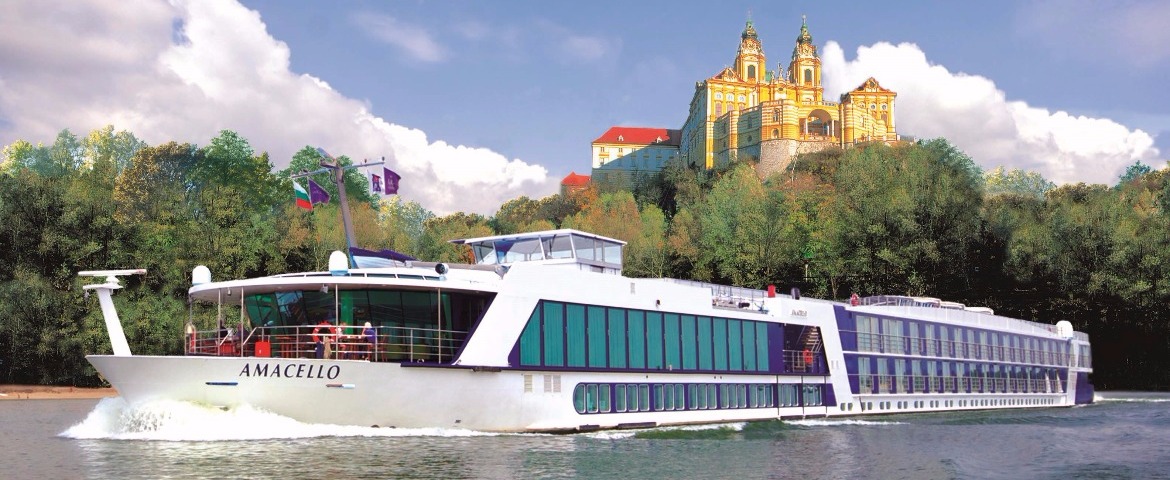
AmaCello
82 Cruises

| 22 October | 8 days | One-way from Arles to Dijon |
450-628-6241
Call us
|
| 29 October | 8 days | One-way from Dijon to Lyon |
450-628-6241
Call us
|
| 18 March | 8 days | One-way from Dijon to Lyon |
450-628-6241
Call us
|
| 25 March | 8 days | One-way from Lyon to Dijon |
450-628-6241
Call us
|
| 6 May | 8 days | One-way from Arles to Dijon |
450-628-6241
Call us
|
| 20 May | 8 days | One-way from Lyon to Dijon |
450-628-6241
Call us
|
| 27 May | 8 days | One-way from Dijon to Arles |
450-628-6241
Call us
|
| 3 June | 8 days | One-way from Arles to Dijon |
450-628-6241
Call us
|
| 10 June | 8 days | One-way from Dijon to Lyon |
450-628-6241
Call us
|
| 5 August | 8 days | One-way from Dijon to Arles |
450-628-6241
Call us
|
| 19 August | 8 days | One-way from Dijon to Arles |
450-628-6241
Call us
|
| 26 August | 8 days | One-way from Arles to Dijon |
450-628-6241
Call us
|
| 14 October | 8 days | One-way from Dijon to Arles |
450-628-6241
Call us
|
| 21 October | 8 days | One-way from Arles to Dijon |
450-628-6241
Call us
|
| 28 October | 8 days | One-way from Dijon to Lyon |
450-628-6241
Call us
|
| 23 March | 8 days | One-way from Arles to Dijon |
450-628-6241
Call us
|
| 30 March | 8 days | One-way from Dijon to Lyon |
450-628-6241
Call us
|
| 6 April | 8 days | One-way from Lyon to Dijon |
450-628-6241
Call us
|
| 13 April | 8 days | One-way from Dijon to Arles |
450-628-6241
Call us
|
| 20 April | 8 days | One-way from Arles to Dijon |
450-628-6241
Call us
|
| 6 July | 8 days | One-way from Dijon to Arles |
450-628-6241
Call us
|
| 16 July | 8 days | One-way from Arles to Dijon |
450-628-6241
Call us
|
| 27 July | 8 days | One-way from Dijon to Arles |
450-628-6241
Call us
|
| 6 August | 8 days | One-way from Arles to Dijon |
450-628-6241
Call us
|
| 17 August | 8 days | One-way from Dijon to Arles |
450-628-6241
Call us
|
| 27 August | 8 days | One-way from Arles to Dijon |
450-628-6241
Call us
|
| 12 October | 8 days | One-way from Lyon to Dijon |
450-628-6241
Call us
|
| 19 October | 8 days | One-way from Dijon to Arles |
450-628-6241
Call us
|
| 26 October | 8 days | One-way from Arles to Dijon |
450-628-6241
Call us
|
CroisiEurope (7 Cruises)
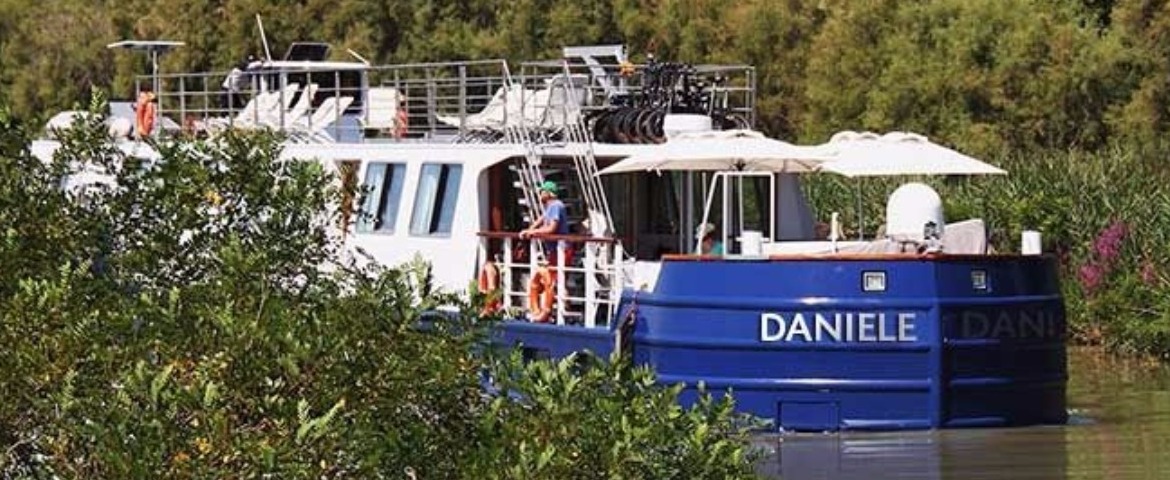
MS Danièle
7 Cruises

| 1 April | 7 days | Round-trip from Dijon, France |
450-628-6241
Call us
|
| 1 April | 6 days | Round-trip Fine Food and Wines on a Cruise through the Burgundy Region |
450-628-6241
Call us
|

Dijon France | Burgundy Cultural & Wine Travel Guide
Frequently Asked Questions
At the canal port, a former commercial basin turned marina, where an obelisk commemorates the digging of the Burgundy Canal. From there the old ducal city is reached on foot, along the Ouche and then the boulevards.
Yes. The walk from the canal port to the historic centre is easy, and the centre itself is entirely walkable. The Owl Trail, marked on the pavement in 22 stages, gives you a thread to follow.
The Ducal Palace and the Fine Arts Museum, the Owl Trail to Notre-Dame, then the market halls. Adding the Grands Crus wine route the same day is possible, but the museum will have to go.
On the north side of the church of Notre-Dame. Tradition says you stroke it with your left hand and make a wish. It has been polished by millions of hands — perhaps the smallest attraction in France, and a fair summary of the city.
One of the richest museums in France, housed in the Ducal Palace. Its centrepieces are the carved tombs of Dukes Philip the Bold and John the Fearless, surrounded by their alabaster mourners. The surrounding place de la Libération is a semicircle designed by Jules Hardouin-Mansart, architect of Versailles.
Yes, if you are game: it is stairs, no lift. From the top, 46 metres up, the city spreads out its glazed tile roofs in coloured diamond patterns, the visual signature of Burgundy.
A clock brought back from Flanders by Philip the Bold in 1382 and mounted on the church of Notre-Dame. The mechanical blacksmith who strikes the hours has gained a wife and children over the centuries: the whole family now rings in.
At the 19th-century iron market halls, in Gustave Eiffel's home town: époisses cheese, parsleyed ham, snails and Bresse poultry. Mustard and spice bread are found in the historic shops of the centre.
A complex set in the former general hospital beside the Ouche, exploring the French meal from every angle, tastings included. Allow at least two hours if the subject genuinely interests you.
Yes, some excursions head south where the Grands Crus route begins: Gevrey-Chambertin, Vougeot, Nuits-Saint-Georges. The climats of the Burgundy vineyard are UNESCO World Heritage and divide the slopes into a chequerboard of low walls.


