Port-Vendres France, Perpignan

80 Cruises availables At departure or passage at this port

Seabourn Cruise Line (56 Cruises)

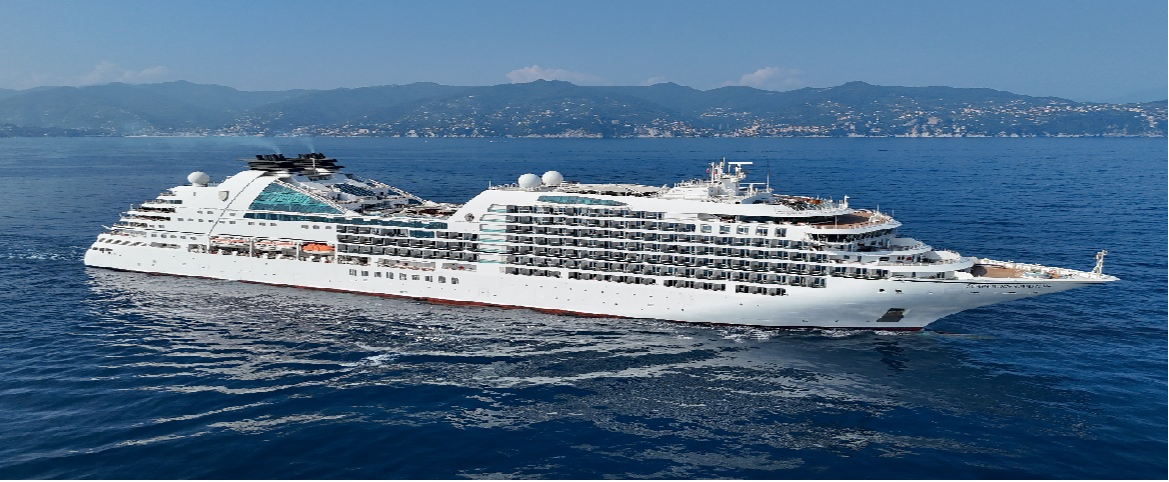
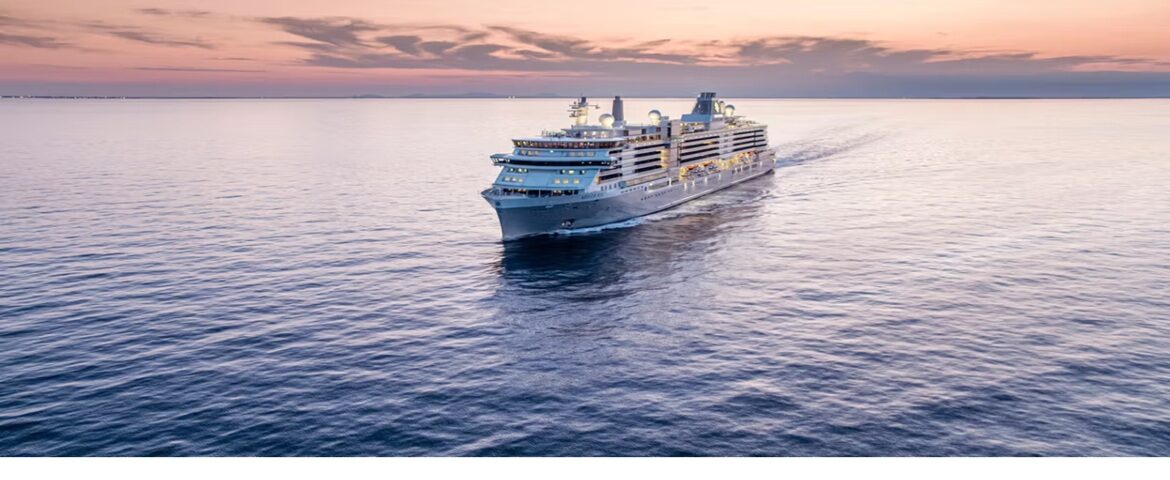
Seabourn Ovation.

Seabourn Ovation

40350 tons
Visit the ship's page

Port-Vendres France | Mediterranean Coast & Catalan Heritage Guide

In the late afternoon, the trawlers come back into the harbour one by one, escorted by gulls, and the quay comes alive for the fish auction. Port-Vendres has remained what so many coastal towns have ceased to be: a real Mediterranean fishing port, nestled in an amphitheatre of vine-covered hills in the heart of the Côte Vermeille. The ancients called it Portus Veneris, the port of Venus — the only deepwater harbour in Roussillon, a stone's throw from Spain.

A working port

The port call begins with a tour of the harbour: stacked nets, the blue and red hulls of Catalan boats and the ochre façades of fishermen's houses. On the central square stands the pink marble obelisk erected in honour of Louis XVI, a striking monument for a town of this size. The Scottish painter and architect Charles Rennie Mackintosh spent his last years here, captivated by the harsh, frank light he captured in his watercolours. A marked trail along the quays recalls his stay and places his works facing the landscapes that inspired them, from the breakwater to the heights of the town.

Collioure, the painters' neighbour

Barely three kilometres away — by water shuttle, by little tourist train or along the coastal path — Collioure unveils its famous setting: the pink bell tower of Notre-Dame-des-Anges with its feet in the water, the royal castle of the kings of Majorca fortified by Vauban, and lanes with brightly coloured shutters. It was here that Matisse and Derain invented Fauvism in the summer of 1905; a trail lined with reproductions lets you compare the paintings with the landscapes, which have remained remarkably unchanged. The small modern art museum completes the tour for enthusiasts, and the pebble beach in the centre invites a swim between two canvases.

The anchovy, king of the coast

Collioure and Port-Vendres share a salty treasure: the anchovy, prepared here using methods handed down for centuries. The anchovy houses can be visited, and the tables of both ports serve them marinated, salted or as anchoïade, accompanied by wines from the neighbouring terraces — Collioure and Banyuls, born of vines clinging to schist slopes facing the sea.

Walking the Côte Vermeille

Nature lovers are spoiled for choice: the coastal path links coves and capes between Port-Vendres and Collioure, while to the south, the Anse de Paulilles, a former industrial wasteland turned protected natural site, lines up three beaches beneath the pines. Higher up, terraced vineyards and watchtowers offer panoramas stretching from the Albères to Cap Béar and its lighthouse.

The fish auction ritual

In the late afternoon, the return of the trawlers gives rise to a spectacle visitors rarely miss: the fish auction, the last of its kind on this coast. Sea bream, anchovies and rockfish change hands in minutes under the quayside market halls, amid a mix of precise gestures and lilting accents. Arriving a little before the hour lets you watch the crates being unloaded right onto the quay.

A Catalan evening

On the way back to the ship, the quayside terraces serve fish landed that very morning, simply grilled, with a glass of local white wine. Conversations mix French and Catalan; the hills turn crimson — the vermilion colour that gave the coast its name. You leave with the feeling of having touched a Mediterranean from before tourism, lively and unvarnished, which above all makes you want to come back.

Frequently Asked Questions

In the harbour itself, the only deep-water anchorage in Roussillon. Port-Vendres has stayed a genuine Mediterranean fishing port, set in an amphitheatre of vine-covered hills at the heart of the Côte Vermeille, a short hop from Spain.
Yes, everything is walkable. A circuit of the basin is enough to take in the town: stacked nets, the blue and red hulls of Catalan boats, ochre fishermen's houses, and on the central square the pink marble obelisk raised in honour of Louis XVI.
Three ways for barely three kilometres: the shuttle boat, the tourist train, or the coastal path on foot. The path is the finest option but it climbs and drops, so wear good shoes and carry water.
Collioure and back, without hesitating. The pink bell tower of Notre-Dame-des-Anges standing in the water, the royal castle of the kings of Majorca fortified by Vauban, lanes with vivid shutters. Matisse and Derain invented Fauvism here in the summer of 1905, and a trail of reproductions lets you compare canvas with landscape.
It is the auction sale of the day's catch, the last of its kind on this coast. In late afternoon the trawlers come in and crates of sea bream, anchovies and rockfish change hands within minutes under the quayside hall. Arrive a little early to watch the unloading.
Yes. The pebble beach in central Collioure invites a swim between paintings. Further south, the Anse de Paulilles, a former industrial site turned protected nature reserve, lines up three beaches under the pines.
The salted treasure of this coast, prepared here by methods handed down for centuries. The anchovy houses can be visited, and restaurants in both ports serve it marinated, salt-cured or as anchoiade, with a glass of Collioure or Banyuls from the terraced schist vineyards.
Yes. The coastal path links coves and headlands between Port-Vendres and Collioure. Higher up, terraced vineyards and watchtowers open panoramas running from the Albères to Cap Béar and its lighthouse.
The euro, and French, with Catalan in conversation and on signs. Cards are accepted throughout the quayside shops and restaurants.
May to October, for the hard clear light that drew Matisse and the Scottish painter Charles Rennie Mackintosh, who spent his last years here. Avoid mid-August if Collioure matters to you: its lanes are very busy then.