Porto Vecchio Corsica France

26 Cruises availables At departure or passage at this port

CroisiEurope (22 Cruises)

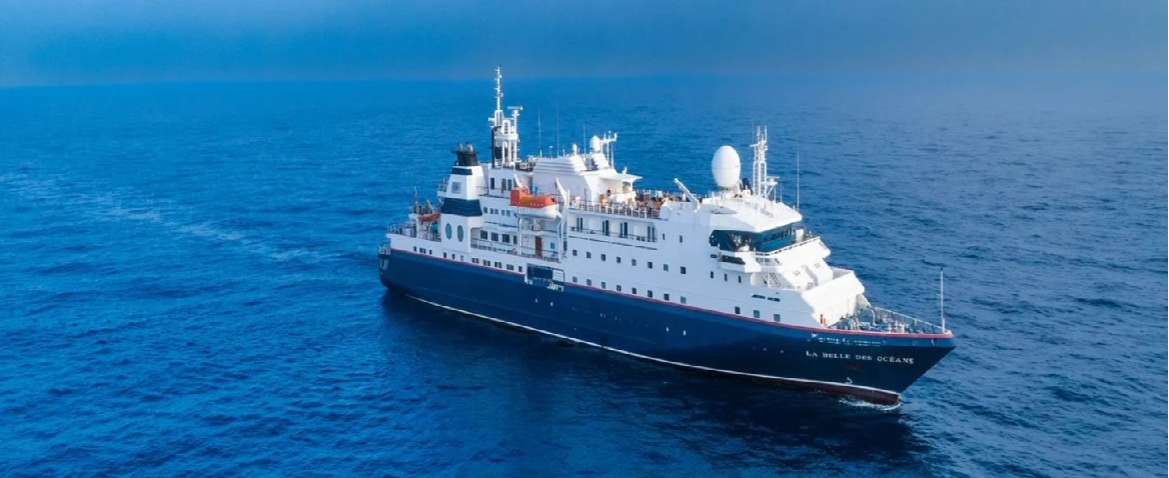
MV LA BELLE DES OCEANS.

Mv La Belle Des Oceans

130 Passengers
Visit the ship's page

Porto-Vecchio Corsica | Beaches & Mediterranean Cruise Guide

Scents of maquis and salt drift over the gulf well before docking. The ship glides between hills covered in cork oaks, then the bay gently closes around a hill where the upper town of Porto-Vecchio clings, encircled by Genoese ramparts. Below spread the marina and the old saltworks that earned the town its nickname of the salt city. The port call promises granite, light and turquoise water.

From the quay to the upper town

Modestly sized ships dock at the commercial quay, near the marina; the largest anchor in the gulf and bring their passengers ashore by tender. From the landing, allow about two kilometres to the old centre, or roughly a twenty-minute walk on a fairly steep climb, since the old quarter is perched some 70 metres above sea level. Good news for your legs: small free electric shuttles leave from Avenue Georges-Pompidou and climb right up to the gates of the ramparts.

The Genoese citadel

Founded by Genoa in the 16th century, the citadel retains its Bastion de France and its Genoese Gate, which opens onto a panorama taking in the gulf and the saltworks. Inside the walls, cobbled lanes converge on Place de la République, where terraces set up in the shade of the Church of Saint-Jean-Baptiste. Wander without a set route: every vaulted passage and every granite staircase leads to a viewpoint or an artisan's shop. The delicatessens overflow with Corsican cured meats, sheep's milk cheeses and canistrelli, dry biscuits that go nicely with a coffee on a terrace. Genoa founded this trading post in the 16th century to control the south of the island, and you can still sense, in the thickness of the walls, the tenacity it took to hold the town against raids from the sea.

The saltworks and the waterfront

Heading back down toward the shore through the Genoese Gate, the old salt marshes spread out at the foot of the hill. Worked from antiquity until the 20th century, they now form a peaceful landscape where herons and waders come to rest. A flat path circles them, perfect for an easy walk between two climbs. The stroll naturally continues toward the marina, where cafés and ice cream parlours face the sailboats. It is the ideal spot to watch the boats come and go while enjoying a chestnut or brocciu ice cream.

Palombaggia and the southern beaches

If Porto-Vecchio draws so many people every summer, its beaches have a lot to do with it. About ten kilometres to the south, Palombaggia lines up its pale sand between umbrella pines and pink granite rocks, in shallow water with shifting reflections. Santa Giulia, a little farther on, unfolds an almost enclosed bay reminiscent of a lagoon. During a port call, you get there by taxi or on an organized excursion; allow at least half a day to enjoy it without rushing. Those in less of a hurry will rent a lounge chair on site; others will settle for a swim and a few photos before heading back to the quay.

Practical pointers

DestinationDistance from the quayAccess
Upper town (citadel)About 2 kmOn foot (20 min uphill) or free electric shuttle
Marina and waterfrontLess than 1 kmOn foot
Palombaggia beachAbout 10 kmTaxi or excursion
Santa Giulia beachAbout 15 kmTaxi or excursion

Time to head back

At the end of the day, the low light gilds the ramparts and the mountains of the Alta Rocca stand out behind the bay. From the ship's deck, the upper town seems to watch over its saltworks as it has for five centuries. You return on board with salt on your skin, a bag of canistrelli in your tote and the certainty that southern Corsica deserves, someday, far more than a few hours.

Frequently Asked Questions

Smaller ships come alongside the commercial quay near the marina. Larger vessels anchor in the gulf and tender passengers ashore. Either way you land at the foot of the hill, not in the upper town.
Yes, but be warned: it is about two kilometres and roughly twenty minutes of fairly steady climbing, since the old quarter sits about 70 metres above sea level. Good news for tired legs: small free electric shuttles leave from Avenue Georges-Pompidou and climb to the gates of the ramparts.
Founded by Genoa in the 16th century to control the south of the island, the citadel keeps its Bastion de France and its Genoese Gate, which opens onto a panorama of the gulf and the salt pans. Inside the walls, cobbled lanes converge on Place de la République and the church of Saint-Jean-Baptiste.
You have to choose between the town and the beaches. The citadel, the salt pans and the marina work well as a half day on foot. Palombaggia needs at least half a day on its own including transport. Trying for both means spending the call in a taxi.
By taxi or organised excursion: it lies about ten kilometres south with no convenient regular service from the quay. Pale sand between umbrella pines and pink granite rocks, shallow water with shifting colours. Santa Giulia, a little further on, opens an almost enclosed bay that feels like a lagoon.
The former salt marshes that earned the town its nickname as the salt city. Worked from antiquity until the 20th century, they now form a quiet landscape where herons and waders settle. A flat path loops around them, ideal for walking without effort between climbs.
The delicatessens in the citadel are full of Corsican charcuterie, sheep's milk cheeses and canistrelli, the dry biscuits that go well with a coffee on a terrace. Down at the marina, try chestnut or brocciu ice cream instead.
The euro. Cards are accepted in shops, restaurants and taxis. Still, keep some cash for small producers and beach kiosks.
May to October. June and September offer the best balance: warm water, superb light and manageable crowds. In peak August, Palombaggia and Santa Giulia are very busy and taxis are hard to find.
Yes, with one caveat: the climb to the citadel tires small legs, so take the free electric shuttle. The salt pans and marina are flat walking, and the shallow water of the southern beaches suits children well.