Fatu Hiva Island Omoa-Hanavave, Marquesas French Polynesia
French Polynesia
87
Cruises availables
At departure or passage at this port
Paul Gauguin Cruises (18 Cruises)
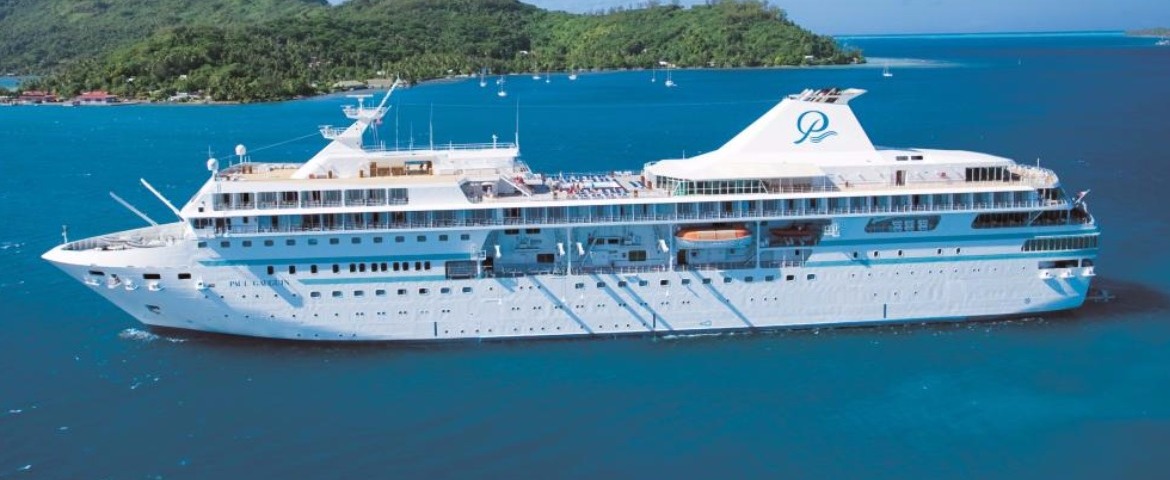
M/S Paul Gauguin
18 Cruises

| 8 May | 15 days | Round-trip from Papeete, Tahiti, French Polynesia |
450-628-6241
Call us
|
| 8 May | 14 days | Round-trip 14 Night Marquesas Tuamotus and Society Islands Cruise |
450-628-6241
Call us
|
| 13 May | 15 days | Round-trip from Papeete, Tahiti, French Polynesia |
450-628-6241
Call us
|
| 13 May | 14 days | Round-trip 14 Night Marquesas the Tuamotus and Society Islands Cruise |
450-628-6241
Call us
|
| 8 July | 15 days | Round-trip from Papeete, Tahiti, French Polynesia |
450-628-6241
Call us
|
| 8 July | 14 days | Round-trip 14 Night Marquesas Tuamotus and Society Islands Cruise |
450-628-6241
Call us
|
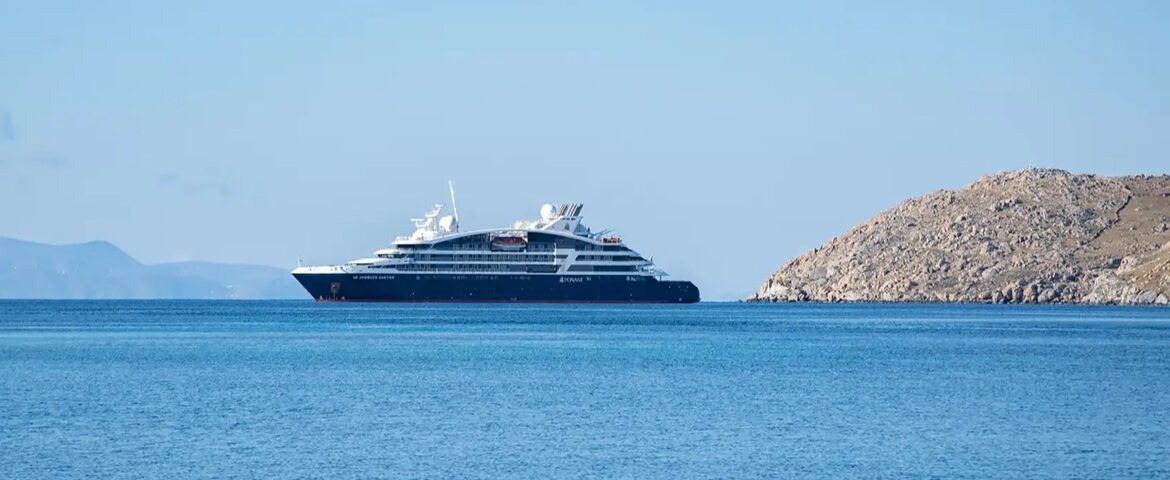
Ponant (8 Cruises)

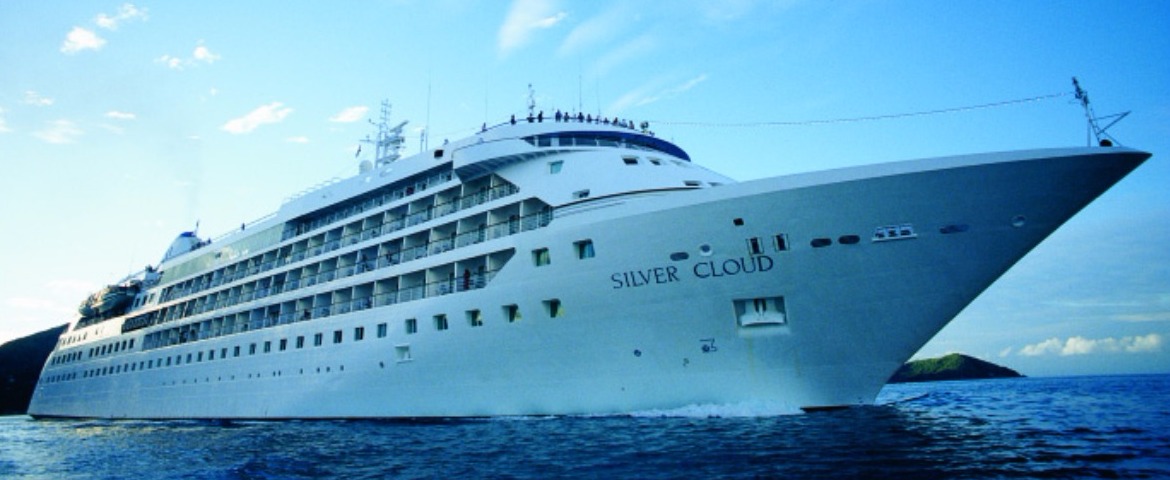
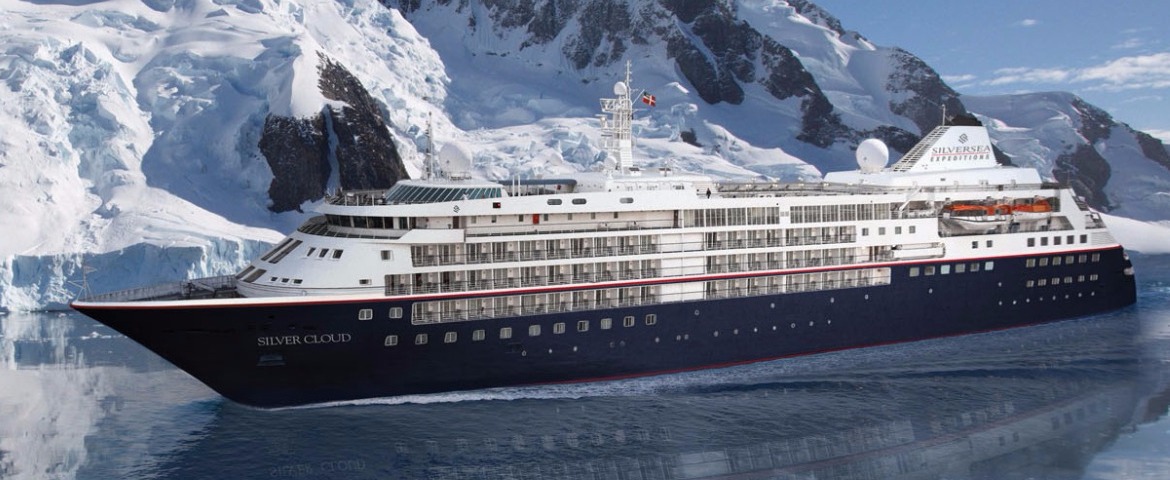
Silversea Cruises (20 Cruises)

Silver Whisper
14 Cruises
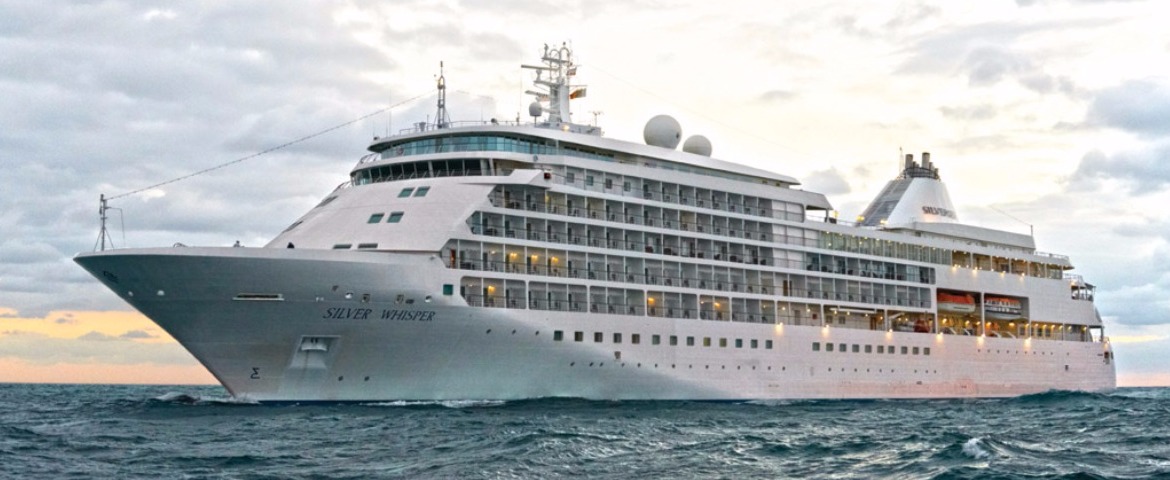
| 23 January | 14 days | Round-trip from Papeete, Tahiti, French Polynesia |
450-628-6241
Call us
|
| 23 January | 14 days | Round-trip South Sea Silver Whisper Papeete Tahiti |
450-628-6241
Call us
|
Windstar Cruises (41 Cruises)
Star Breeze
41 Cruises
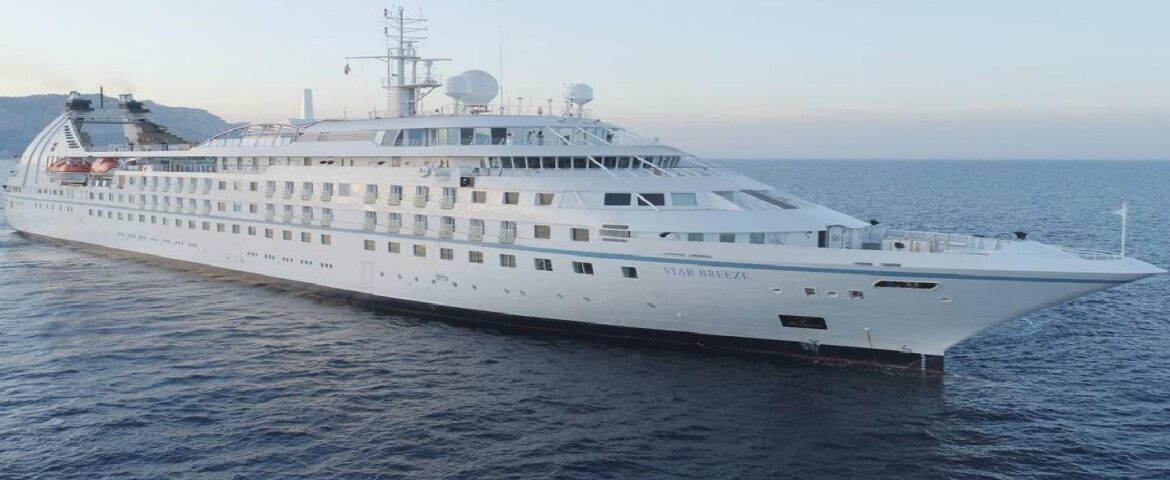

| 28 March | 12 days | Round-trip from Papeete, Tahiti, French Polynesia |
450-628-6241
Call us
|
| 28 March | 18 days | Round-trip from Papeete, Tahiti, French Polynesia |
450-628-6241
Call us
|
| 3 October | 18 days | Round-trip from Papeete, Tahiti, French Polynesia |
450-628-6241
Call us
|
| 3 October | 12 days | Round-trip from Papeete, Tahiti, French Polynesia |
450-628-6241
Call us
|
| 24 January | 52 days | One-way from Singapore to Papeete |
450-628-6241
Call us
|
| 28 January | 48 days | One-way from Benoa to Papeete |
450-628-6241
Call us
|
| 2 April | 18 days | Round-trip from Papeete, Tahiti, French Polynesia |
450-628-6241
Call us
|
| 2 April | 12 days | Round-trip from Papeete, Tahiti, French Polynesia |
450-628-6241
Call us
|
Fatu Hiva | Cruise Port Guide
Frequently Asked Questions
Only by sea. No airstrip serves the southernmost inhabited island of the Marquesas. Ships anchor off Omoa or Hanavave and tenders land passengers at the village quay. There is no deep-water port and no visitor infrastructure.
The anchorage at Hanavave, one of the most spectacular in the world. Basalt spires hundreds of metres high frame a green cleft where the hamlet shelters. The name comes from 19th-century missionary modesty: the fathers slipped a vowel into the name sailors had given the rock columns.
Late afternoon, when the setting sun sets the walls of the Bay of Virgins ablaze. If your ship spends the evening there or leaves late, stay on deck: the sight needs no commentary, and no photograph will do it full justice.
A cloth beaten from the bark of mulberry, banyan or breadfruit trees, then decorated with Marquesan motifs in ink. Fatu Hiva is where this Polynesian tradition remains most alive. In Omoa you hear the beaters echoing in the yards and buy directly from the women who make it.
Walk, essentially. There are no rental cars and no café terraces. In Hanavave, the small stone church, the fishermen's quay and the flower-filled houses take a quiet hour. In Omoa you visit the tapa workshops and the wood carvers. This is a call for contemplation, not for a programme.
Yes. Stronger walkers head up the valley inland, among mango, coconut and grapefruit trees, to a waterfall set in the heights. The path can be slippery and demands proper shoes. A single 17-kilometre track links the two valleys along the ridges: four to five hours and over 800 metres of climbing, for experienced hikers only.
It is not what most passengers choose, and for good reason. Staying aboard during the short repositioning between the two anchorages gives the best view of the coast, with no effort and no risk of missing the departure.
A Norwegian who came to live here for over a year with his wife in 1937, in a hut at the head of the Omoa valley. It was while studying currents and legends from Fatu Hiva that he formed the theory leading to the Kon-Tiki expedition. The island has not changed much since he passed through.
About 600, spread between the two valleys. No hotels, a few family guesthouses, a supply boat that comes some weeks. Come ashore self-sufficient: water, hat, shoes. In exchange you find valleys of astonishing fertility growing bananas, taro, citrus and vanilla.
The CFP franc, cash only: do not expect to pay for your tapa or monoï by card. Marquesan and French are spoken, and many islanders take time to talk with visitors, which is one of the pleasures of the call.


