Baden-Baden Germany Baden-Wurttemberg

146 Cruises availables At departure or passage at this port

Viking River Cruises (146 Cruises)

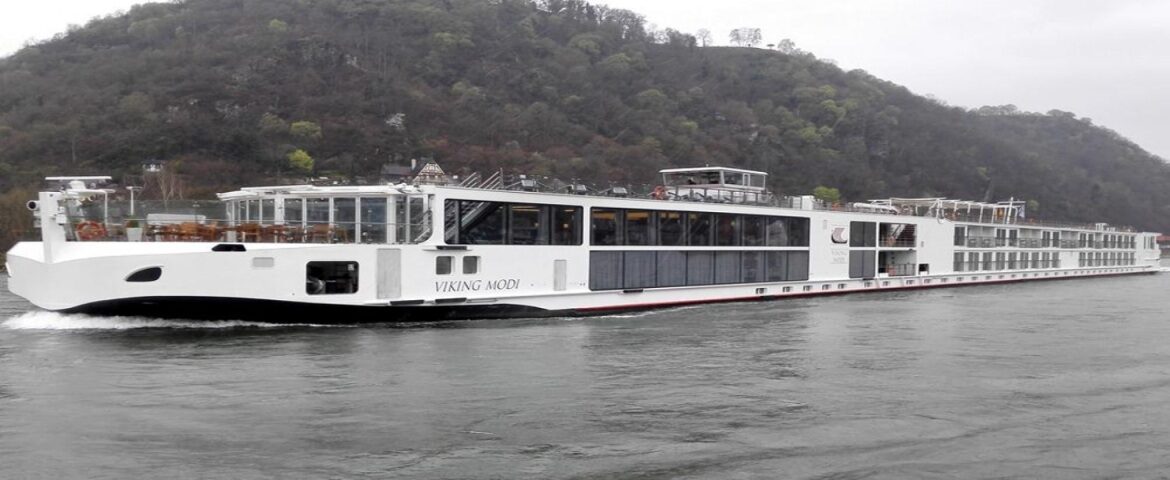
Viking Longships Modi.

Viking Longships Modi

Visit the ship's page
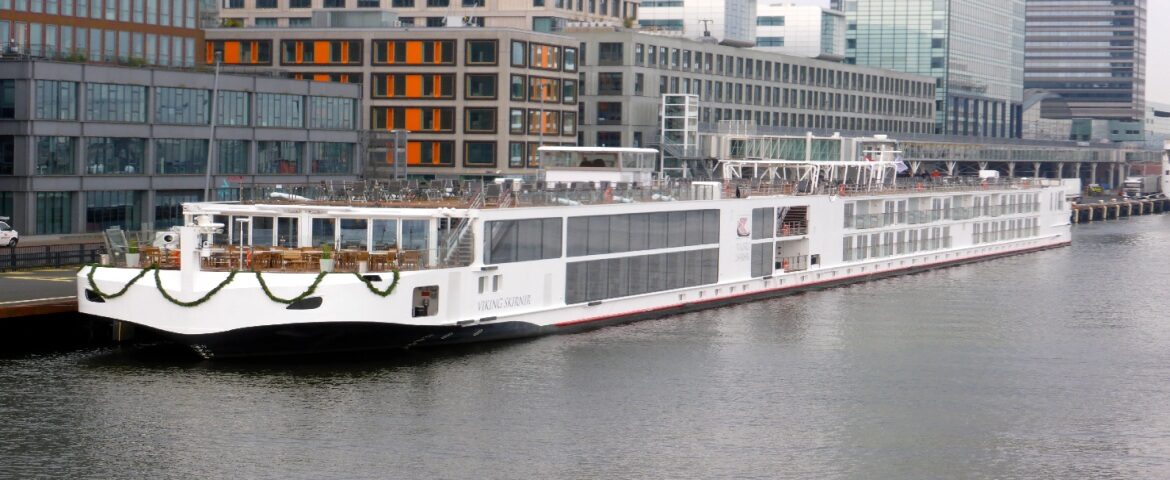
Viking Longships Skirnir.

Viking Longships Skirnir

Visit the ship's page

This is a port call with the unusual distinction of turning its back on the river. Baden-Baden has no dock of its own: ships tie up on the Rhine near Rastatt, and a coach crosses the plain to the first foothills of the Black Forest, where the spa town stretches out along the Oos valley. The detour is well worth it. Since the 19th century, all of Europe has come here to take the waters, gamble, hear concerts and stroll beneath the tall trees; the town is now listed among the great spa towns recognized as a UNESCO World Heritage Site.

The Lichtentaler Allee, a Garden Salon

The best way to get a feel for the place is to walk the Lichtentaler Allee, a path that follows the Oos River for more than two kilometres past lawns, remarkable trees and flowerbeds in bloom. Fashionable women of the Second Empire once paraded here by carriage; today's walkers share the path with joggers and swans instead. Grand villas, galleries and museums line the route on either side. The walk, flat and shaded, suits everyone, and on its own is reason enough to get off the coach.

The Kurhaus and the Tradition of Gambling

At the heart of the resort, the Kurhaus lines up its Corinthian columns behind an immaculate esplanade. The building houses the casino that built the resort's dazzling, slightly scandalous reputation: Dostoevsky lost fortunes here, and European high society flocked to it every summer. The salons, decorated in the style of French palaces, can be visited outside gaming hours. Around it, the Trinkhalle with its fresco-covered gallery, the shops of the old town and the café terraces all come together in a setting where refinement never feels forced: it's simply part of how things are done here.

The Baths, Then and Now

The hot water rising from underground since ancient times remains the true reason Baden-Baden exists; the Romans were already making use of it. Two establishments carry the tradition forward today: the Friedrichsbad, a 19th-century temple to bathing with domed ceilings and precisely choreographed rituals, and the Caracalla Spa, modern and bright, with indoor and outdoor pools. A single port call doesn't always allow time for a full visit, but curious visitors can at least admire the facades and, at the old market square, see the marked remains of the Roman baths in the historic centre.

Gaining Some Elevation

To take in the natural setting of the town, more active visitors can climb up to the Altes Schloss Hohenbaden, the old castle perched on the mountainside above the rooftops. Forest trails or a taxi lead up to it; from the ruin's terraces, the view stretches over the Rhine valley and the wooded ridges of the Black Forest. It's the wild counterpoint to a day spent among colonnades and gardens, and a reminder that this spa town was built right at the edge of one of Europe's great forested mountain ranges.

A Full Day

  • Morning: the Lichtentaler Allee, followed by the Kurhaus and Trinkhalle.
  • Midday: lunch or coffee in the pedestrian old town.
  • Afternoon: choose between a spa visit, the museums along the Allee, or the climb to the old castle.
  • Good to know: the transfer from the river takes time; it's best to follow the excursion schedule closely and leave a buffer.

Back to the Rhine

The coach eventually heads back down to the plain, the dark hills of the Black Forest lingering in the rear-view mirror, and everyone carries home their own image of the day: the frescoes of the Trinkhalle, the steam of the baths, a tree-lined path where all of Europe once strolled before us. Baden-Baden is unlike any other stop on a river cruise; it's a resort-town interlude tucked into the itinerary, and it leaves a very clear sense that someday, it will be worth coming back to take the time this port call couldn't allow.

Frequently Asked Questions

Nowhere in Baden-Baden itself, because the town has no quay. Ships tie up on the Rhine near Rastatt and a coach crosses the plain to the first slopes of the Black Forest, where the spa town stretches along the Oos valley. This is a port call that literally turns its back on the river.
No. The transfer is by coach from the Rhine and it takes time. Stick to the organised excursion schedule and leave yourself a margin: this is not a call where you can improvise your way back on foot.
It is a spa town, not a port. Since the 19th century, all of Europe has come here to take the waters, gamble, hear concerts and walk under the great trees. It is now one of the Great Spa Towns of Europe inscribed on the UNESCO World Heritage list. Within a river itinerary, it is a resort interlude.
A parkway that follows the river Oos for more than two kilometres, between lawns, notable trees and flower beds. Second Empire society paraded here by carriage; today you pass joggers and swans. The walk is flat and shaded, so it suits everyone, and grand villas, galleries and museums line the route.
Yes, outside gaming hours. The casino occupies the Kurhaus behind its Corinthian columns, and its salons are decorated in the manner of French palaces. It gave the resort its reputation, at once scandalous and brilliant: Dostoevsky lost fortunes here.
It is possible but tight. Two establishments carry on the tradition: the Friedrichsbad, a 19th-century thermal temple with domes and a strictly sequenced ritual, and the Caracalla baths, modern and light-filled, with indoor and outdoor pools. A shore call does not always allow the hours required; failing that, you can admire the facades and see the Roman bath remains signposted in the historic centre.
The Lichtentaler Allee in the morning, then the Kurhaus and the frescoed Trinkhalle, lunch or a coffee in the pedestrian old town, and in the afternoon your choice of a thermal session, the museums along the Allee, or the climb to the old castle.
Yes, the Altes Schloss Hohenbaden, the old castle clinging to the mountain above the rooftops. Forest paths or a taxi will get you there. From the ruin's terraces the view reaches across the Rhine valley to the wooded ridges of the Black Forest. It is the wild counterpoint to a day spent among colonnades and gardens.
The euro and German. Baden-Baden is an international resort: English and often French are understood in hotels, museums and shops. Cards are accepted everywhere, but keep some cash for small cafés and ticket desks.
Only moderately, and it is worth knowing in advance. This is a town of promenades, thermal baths and museums, built for adults. The Lichtentaler Allee suits children who want to run outdoors, but the casino, the salons and the Friedrichsbad ritual are not for them. Families will find more generous port calls elsewhere on the Rhine.