Sankt Goarshausen St Goar, Germany Rhineland-Palatinate

60 Cruises availables At departure or passage at this port

CroisiEurope (28 Cruises)

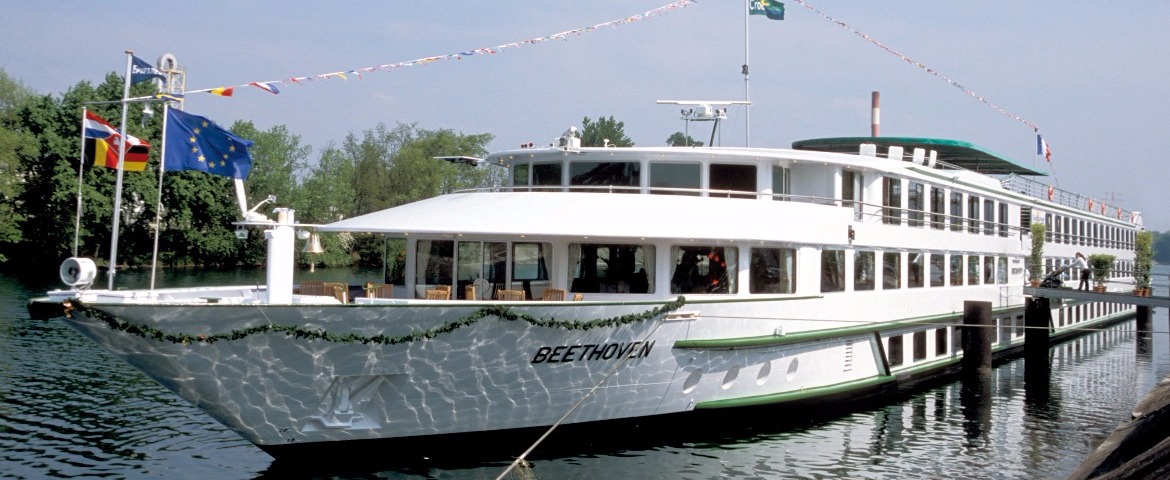
Cruise CE Croisieurope MS Beethoven ship

MS Beethoven

178 Passengers
Visit the ship's page

Uniworld Boutique River Cruise (18 Cruises)

Sankt Goarshausen and Loreley | Cruise Port Guide

The Rhine narrows, the slate walls draw closer, and a 193-metre cliff suddenly hushes the decks of the ships: the Loreley. It's here, in one of the narrowest and deepest passages of the river, that legend places its siren, combing her golden hair while the bewitched boatmen ran onto the rocks. Sankt Goarshausen, nestled at the foot of the rock, has always lived from this closeness between river, vineyards and myth.

A village beneath two castles

The landing opens directly onto the main street, lined with half-timbered houses and cafés facing the water. Above the village stands Katz Castle, built in 1371 by the Counts of Katzenelnbogen to collect tolls; privately owned, it can't be visited, but its silhouette and the vineyards form one of the most famous scenes in the valley. Downstream, its miniature rival, Maus Castle, completes this feline duel that locals recount with a smile. A tree-lined promenade follows the bank, dotted with benches where you can watch the barge convoys manoeuvre while waiting for the shuttle.

Climbing to the Loreley

The Loreley plateau is reached by steep trails climbing through the vineyards, or by shuttle on organized excursions. Up top, a visitor centre traces the formation of the valley, a UNESCO World Heritage Site, and lookouts jut out above the Rhine's great bend. From there you watch the barge convoys negotiate the passage, tiny when seen from above. An open-air amphitheatre, tucked into a hollow of the plateau, hosts concerts and festivals in the warmer months.

Across the river

No bridge crosses the Rhine in the gorge: a ferry shuttles across to Sankt Goar, the twin town opposite. Above it spread the ruins of Rheinfels, one of the largest ruined fortresses in the valley, a labyrinth of curtain walls, galleries and cellars explored with a flashlight in hand. The panorama from its terraces takes in both banks and gives a sense of how powerful the toll lords once were.

The river at work

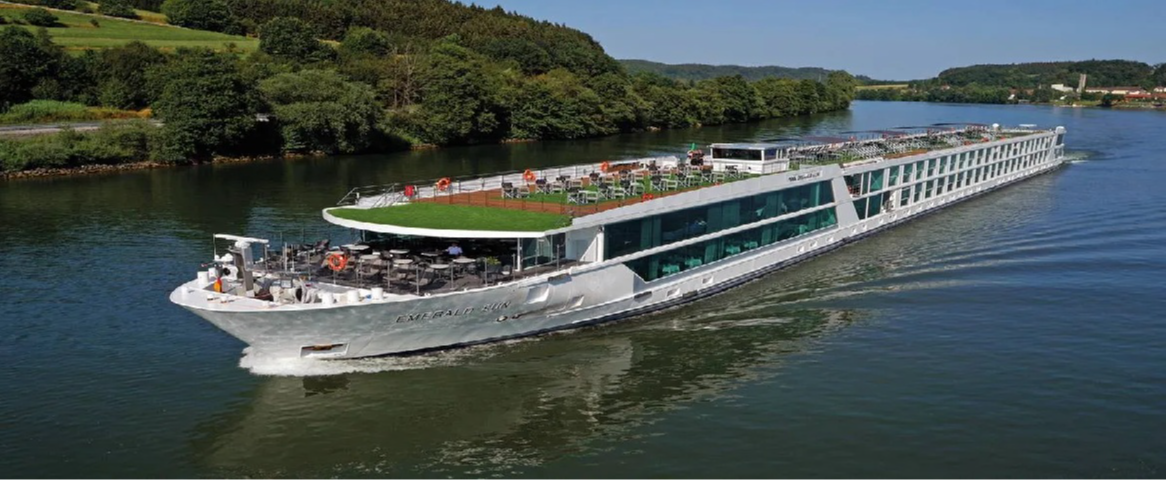
Heading back down to the quay, take time to watch the convoys go by: the Rhine remains one of Europe's busiest waterways, and the sight of barges loaded with containers passing the white cruise ships is almost hypnotic. The terraces serve Riesling from the neighbouring slopes, grown on hillsides so steep that the harvest is still done by hand. Glass in hand, you understand why the Romantic poets so loved this setting.

Practical pointers

  • Landing in the centre of the village; main street and cafés immediately accessible.
  • Loreley plateau: a demanding climb on foot, shuttles or excursions depending on the ship.
  • Ferry to Sankt Goar and Rheinfels Fortress: a short, frequent crossing in season.
  • Currency: euro. Katz Castle can't be visited; it's admired from the water and the trails.

What the siren still sings

Heinrich Heine gave the Loreley her verses, and travellers from around the world still hum them as they pass beneath the cliff. When the ship resumes its course and the rock slowly slips astern, everyone can't help scanning the ridge, just in case. The legend doesn't say whether the siren exists; it only says that no one passes through this gorge without looking up. That in itself is enchanting.

Frequently Asked Questions

The landing stage opens straight onto the village's main street, lined with half-timbered houses and cafés facing the water. No shuttle is needed for the village itself: you are in the scenery from the gangway.
193 metres above the river, at the point where the Rhine is both narrowest and deepest. Currents and reefs capsized so many boats here that legend invented a siren to explain the wrecks.
Two ways. On foot, by steep paths climbing through the vines: the ascent is demanding and does not suit everyone. Otherwise by shuttle on organized excursions — check what your ship offers.
A visitor centre that traces the formation of this UNESCO World Heritage valley, and viewing platforms jutting out above the great bend of the Rhine. From up there you watch barge convoys negotiate the narrows, tiny from that height.
No, and it is a common disappointment: Burg Katz is private property and closed to visitors. Built in 1371 by the counts of Katzenelnbogen to collect tolls, it is admired from the water and from the footpaths.
By ferry, because no bridge spans the Rhine within the gorge. The shuttle links the twin village opposite, and the crossing is short and frequent in season.
It is the largest ruin in the valley and the best use of a slightly longer call. Lamp in hand you explore a maze of curtain walls, galleries and cellars, and the view from its terraces takes in both banks.
Stay by the water: a tree-lined promenade follows the bank, with benches for watching the convoys manoeuvre. The Rhine is still one of Europe's busiest waterways, and the spectacle is quietly hypnotic.
Two neighbouring castles the locals nicknamed that way: Katz above the village, and its miniature rival Maus a little downstream. The feline duel is retold with a smile all along the valley.
The euro, with cash for the small terraces. The wine is riesling from the neighbouring slopes, grown on inclines so steep that the harvest is still done by hand.